
In simple terms, wastes are materials that can be recycled after being out of their original state compared to the time of production. Wastes have many uses. It is interesting to know that about 10-15% of the materials used in construction are non-metallic wastes, such as bricks and wood. Most of these materials are not recyclable. On the other hand, some wastes such as scrap iron, cast iron, copper and even aluminum can be recovered. Therefore, there are different types of scrap, one of which is iron scrap.
The waste production process
A major part of iron waste is produced due to industrial activities. For example, during the process of turning and cutting metals, various types of scraps are produced.
The second method for producing iron scraps is construction. The iron tools used in construction are used as iron waste after their wear and tear. These sections are separated after the destruction of the structure to be sold.
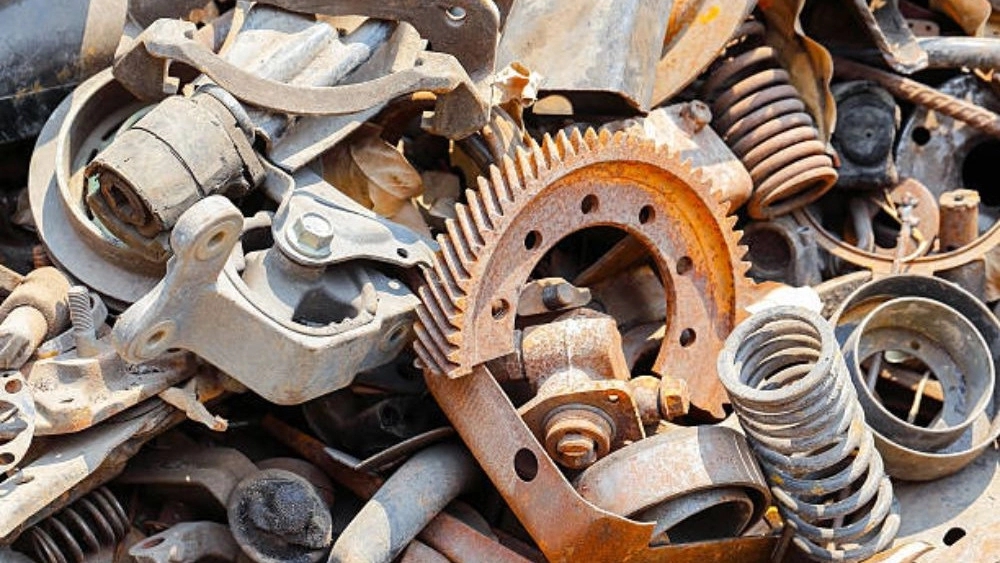
Another group of wastes are produced due to the wear and tear of equipment used by humans. For example, the body of an accident car is a type of scrap. Also, worn-out household appliances are a kind of waste.
Applications of iron waste
Generally, after arriving at iron smelting plants, iron scraps are re-transformed into new steel sections through processes such as electric arcing. These products can be used in various industries, construction, implementation of various construction projects, etc. But one of the special uses of scraps is to use them for sculpture. Usually artists buy these products and melt them in small furnaces. Finally, the resulting materials are used to make works of art.
Price of iron waste
If you want today's scrap metal prices, you need to check the prices daily, similar to the process you go through to buy steel sections. Iron scrap rates are constantly changing for a variety of reasons. One of the most important factors affecting the scrap price is the amount of supply and demand. So, if you intend to buy and sell iron scrap, you must know the market price. For this, you can use reliable sources and references.
Types of waste
Heavy load: Heavy load is a type of waste whose density is equal to one ton per cubic meter or more. And they are produced due to the use of steel sections, they are placed in this group. These materials include small rebars, beams, cans and profiles used in construction and with dimensions below 50 cm. In determining the price of these materials, the price of rebar, beam, etc., and of course the quality of waste is important. They are known as super special. First grade: First grade is a type of waste that has different elements in its chemical composition, such as phosphorus, sulfur, copper, chromium, nickel, and iron. >Second degree and degree 3: The chemical composition of grade two and three scraps is similar to grade one scraps; with the difference that the amount of these chemical compounds is different.
Galvanization: Galvanized scraps are made of iron metal with zinc coating, which are resistant to rust. This type of waste has less value compared to other types of waste because it contains iron.
Alloy: Alloy waste has elements of nickel, manganese, chromium, molybdenum, vanadium and tungsten which They are produced in car centers and repair shops. The price of all types of iron alloy waste is lower than first and second grade waste.
Aleppo: Among this type of waste, cans can be mentioned. If its loans are recycled, tin containers can be produced again.
Iron Sofara: Sofara wastes are the shavings obtained from turning steel and iron sections.