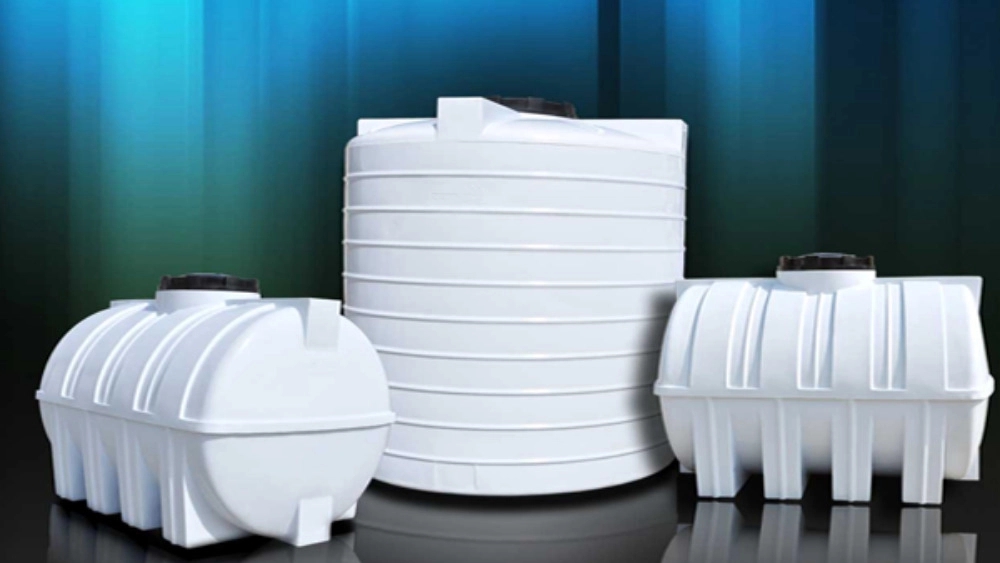
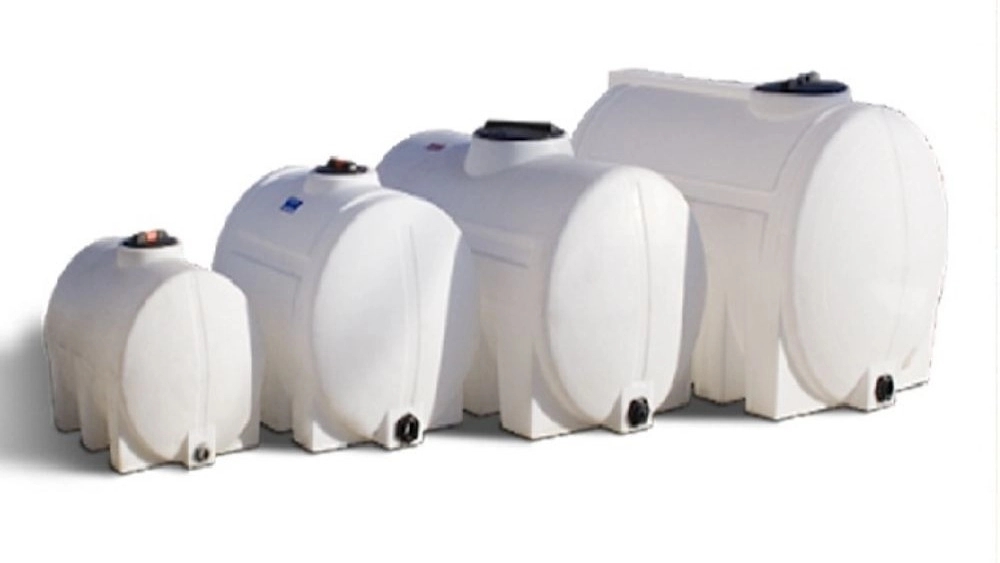
Polyethylene tanks are one of the most used tanks in various industries, and this has caused them to enter the market in different sizes, shapes and number of layers. The number of tank layers is one of the factors influencing the characteristics of a tank. When the number of these layers increases, the passage of sunlight is harder and the product inside the tank is more protected. In the rest of this article, we will examine different types of polyethylene tanks based on the layer and the difference between them. So stay with us.
Types of tanks based on layer number
Polyethylene tank is one of the resistant examples of different tanks, which is usually known in two categories, single-layer and multi-layer. Multi-layered polyethylene tanks include two-layer, three-layer and four-layer tanks. The number of layers of these tanks has no effect on the strength. Its layers are colored and only affect the passage of light into the tank. The more layers of a tank, the harder it is for light to pass through it. Therefore, the materials inside the tank are protected from the effects of light. Sunlight changes the quality of the materials inside the tank and causes algae to form inside the tank. It is better to use multi-layer tanks to store special materials.
Single -layered polyethylene
These tanks have a transparent layer where the liquid inside is visible from the outside of the tank. The thickness and resistance of this type of polyethylene tank is different from other samples and the only difference is in its color. These tanks are usually used colorless. But according to the customer's order, a color sample can also be produced. This tank is not suitable for storing water because light passes through it. The single-layer polyethylene tank can be used in dark places and for storing materials that are not sensitive to light. By passing the light through the wall of the tank, it is possible to grow algae, and the decomposition of these algae by anaerobic bacteria causes an unpleasant smell. It is better for industries to use this tank that fill and empty its contents on a daily basis.
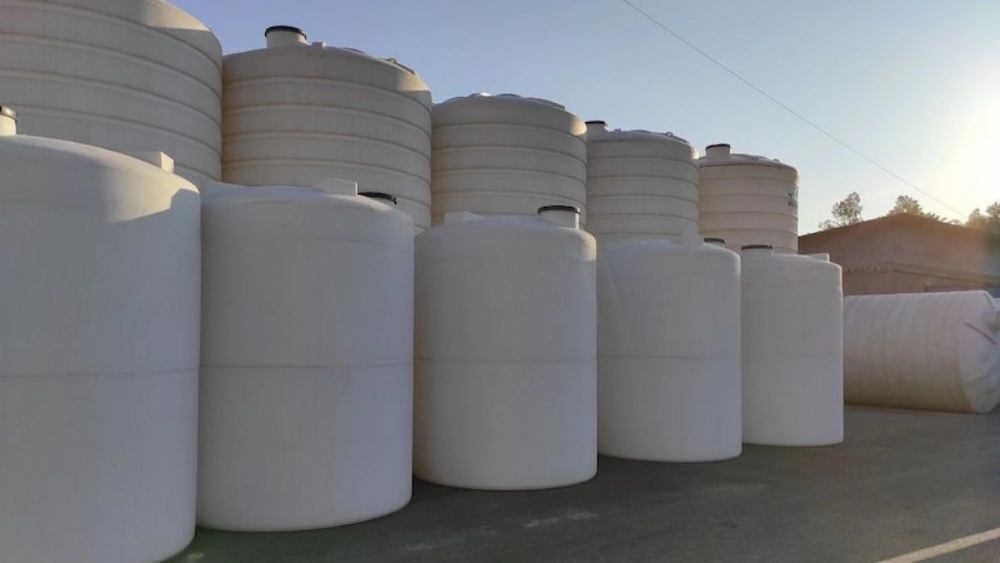
Two -layer polyethylene
These tanks consist of two layers, the inner layer of which is a simple white polymer and the outer layer is a colored polymer resistant to sunlight. The second colored layer cannot completely block the sunlight from entering the tank. For this reason, the two-layer model cannot be considered as anti-algae. A double-layer polyethylene tank is usually used to store water, food and chemicals.
Three -layer polyethylene
Three layers are used in this tank, the two outer layers are white and the middle layer is black. The black layer prevents sunlight from entering the tank, thus preventing algae growth. Preventing the passage of light makes the chemical composition of the liquids in the tank not change, and as a result, there is no problem for industries. The higher number of layers of this tank makes its manufacturing process longer than the previous models, so the price of the three-layer polyethylene tank is higher than the previous models. This tank can be used to store light-sensitive fluids, water and food.
Four -layer polyethylene
In the construction of this tank, a foam layer is used to prevent the loss of heat and cold. Therefore, liquids stored in this tank will have a constant temperature for a long time. This repository is used by certain companies. Because the use of foam in tank construction increases its price and is not economical for normal industries. A four-layer polyethylene tank is usually used to store acid and base. Because this tank has anti-acid properties.
The difference between single -layer tank and three layers of polyethylene
Single-layer and three-layer tanks differ in the number of layers, which causes other differences. The single-layer tank, which is colorless, can transmit light. Therefore, it cannot be used to store light-sensitive liquids. But the three-layer model can block sunlight due to the black middle layer. The passage of sunlight can allow the growth of algae in a moist place. Therefore, there is a possibility of algae growth in a single-layer tank, but a three-layer polyethylene tank is anti-algae. As a result, it is better to use a three-layer polyethylene tank to store light-sensitive liquids and to provide a sanitary environment, and to use a single-layer type to store liquids that are filled and emptied regularly during the day and kept in dark places. be.