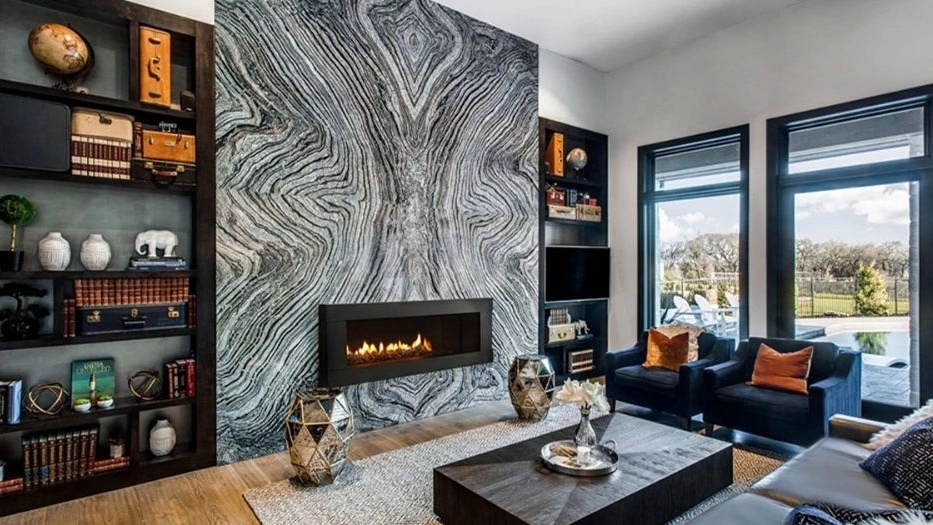



What is a slab stone?
Stone, the symbol of human construction, is always imprinted in our minds in the form of various buildings or structures. Since ancient times, man has used stone to create shelters and various roles. The variety of application of this natural element is very wide, from stiffening and building foundation to building exterior, floor stone, stair stone and more. But today, a new concept called "slab stone" has entered the field of stone processing. This concept not only refers to changing the use of stone, but also to its beauty and new designs. This principle makes designers and construction workers use natural stones for their beauty and attractive roles.
Slab
Slab stone is a widely used concept in the field of construction, which refers to large cuts of stone. This type of stone processing is different from the oldest stone cutting methods.
Unlike the old stone cutting method, where rotary machines with cutters were used for stone cutting, in the stone method, raw slabs are cut into sheets by a special blade. The dimensions of slab stone sheets are much larger than tiles or peak stones, and these dimensions depend on the roughness of the raw stone and the amount of dispersion of the stone after it is made.
Slab stone size
After extracting the stone from the mine, it can be cut into different dimensions. One of the types of natural stone cutting is in the form of slabs, which has large dimensions. Slab stones are usually produced in dimensions of 120 x 220 cm, and the thickness is usually two centimeters or more. In general, if the width of a stone is more than 70 cm, it is called a slab stone. Of course, depending on the use of stone slabs, its dimensions also change.

Application of slab stone
Usually, stone blocks and slabs are used in the design and construction of countertops, flooring, fireplaces, bathrooms, hallways, and kitchens. Additional building and construction applications include roofing and wall cladding. Resistance to fire, water and temperature changes are other characteristics that should be considered. Marble and granite are popular types of stone blocks and slabs. Marble is an irregular metamorphic rock with impurities. Colors include white, red, black, gray, pink and green. Spotted marble and striped marble are also available.
Slab
Marble: Normally, marble is used for interior and exterior flooring applications.
Granite: Granite, another common building material, is used both as a building stone and as an ornamental stone. Granite is an igneous rock with high compressive strength and durability. Granite blocks are used in buildings such as statues and capitals. Granite slabs are used in the construction of granite tops and granite floors.
Sandstone: A sedimentary rock, sandstone is formed by the compaction of sand and held together by silica. Indian sandstone is widely used in residential and commercial construction. The applications of sandstone include flooring, paving stones and wall cladding.
Limestone: Limestone is a sedimentary rock with high resistance to freezing and thawing conditions. Limestone tiles and slabs are often beige or tan in color and are used as floor materials.
Quartzite: Quartzite tiles and quartzite stones are used in various applications from ceiling to flooring.
Travertine: Travertine is a sedimentary stone that is used for paving patio and garden paths.
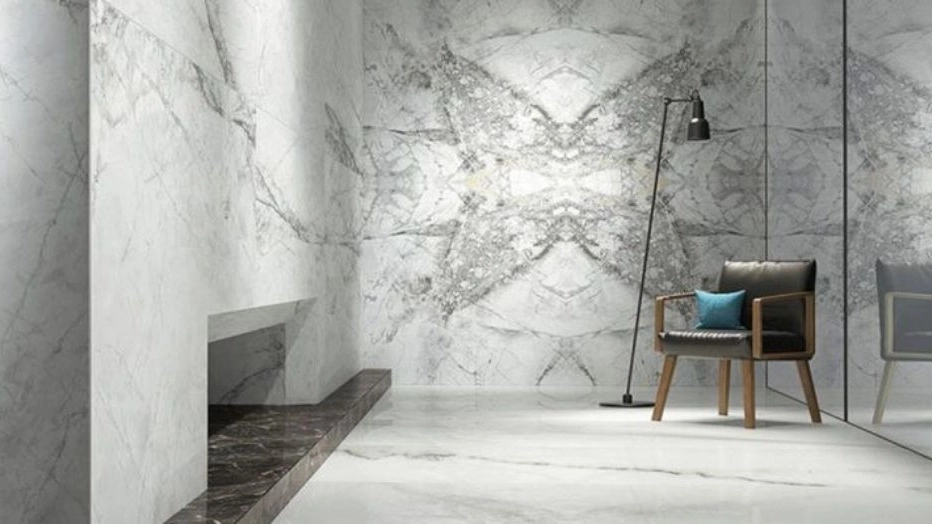
Slabs
Beauty and visual appeal: Slab stone offers a unique beauty due to the slab processing method. The attractive and unique features of stone designs and patterns in this method give an exceptional and eye-catching appearance to buildings and interior spaces.
Strength and longevity: The processing and preparation of stone in the form of slabs has made a significant improvement in the strength and longevity of the stone. The use of modern devices for cutting and calibrating the stone, along with sanding and precise polishing, prepares the stone for various uses.
Reduction of breakage and crushing: Epoxy operation and installation of mesh behind the slab minimizes the possibility of breakage and crushing of the stone. This advantage is very important in construction applications and guarantees the longevity and durability of the stone.
In general, stone separation and slab processing are two essential factors in improving the quality and application of stones in the construction industry. These methods not only contribute to uniformity and harmony in the appearance of the stone, but also significantly improve the characteristics of strength and beauty.