
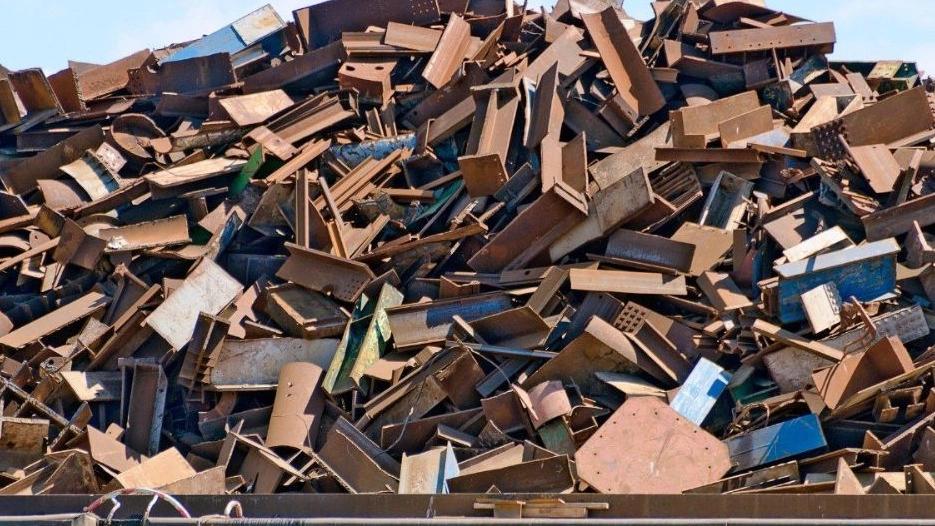
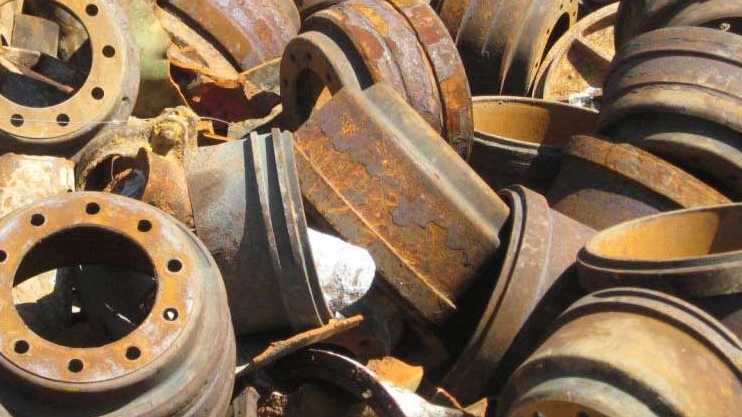
The price of scrap iron is one of the primary, necessary and influential parameters on the price of the final product. On the other hand, scrap iron is considered a strategic product in the steel industry, so the price of scrap is of particular importance. The price of scrap iron is sometimes Based on the supply and demand of scrap iron and sometimes based on the effect of demand on the product, it increases or decreases. These changes lead to the fact that sometimes factories or warehouses increase the price based on fierce competition. .
Transportation in the area of waste is one of the factors affecting the price of scrap iron, because the volumetric weight of scrap is low due to its various shapes and usually does not provide the desired tonnage. Its transportation cost is usually higher than the transportation cost of other steel products and sections. The geographic location and distances of the desired destination from the origin of sending or loading iron waste also affect its price. This has made the suppliers to be able to compare the cost of transporting their goods according to the difference in the price of the desired destinations.
Trade (supply and demand): This refers to market demand, international trading rates and industry demand for this particular metal.
Quantity and quality: Most scrap metal buyers will first ask you how many of those metals you have before making a purchase decision. The next thing they will probably evaluate is whether or not the metal you are trying to sell is of good quality. They have more.
Location: It depends on what type of metal is in short supply within a city.
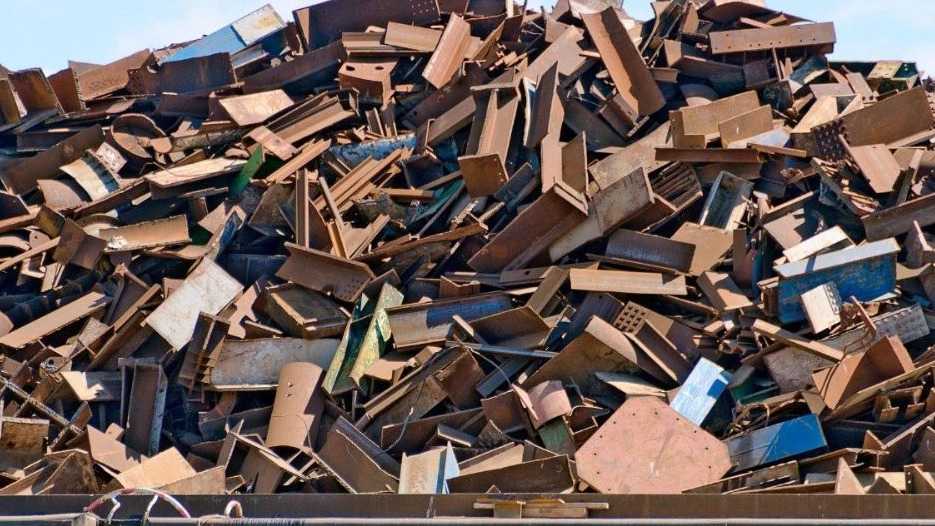
Raise the price of metal scrap
The increase in the price of scrap metal can be related to the increasing demand for metal in various industries and products. The best part about recycling is that it can be reused without losing the value of the metal. In addition, both the environment and the economy benefit from the use of scrap metal and its recycling because less energy is used and less pollution is introduced into the environment.
When there is a greater demand for durable metals such as iron or copper, there will be a price increase in them, and this will directly affect the increase in the price of scrap iron. This is an economic characteristic that with the increase in demand, a relative increase in prices is also observed.
Apart from the market rate and the amount of metal, the purer the metal scrap, the more expensive it will be. The quality of scrap iron is important, in fact, the purer it is, the more valuable it will be. Purity is one of the direct factors affecting the price of scrap!
Recycling iron
Recycling of iron waste in order to reuse scraps in order to reduce costs and protect the environment is done according to the following steps:
Collection: The first stage of collection is to bring Many products contain ferrous and non-ferrous metals. For example, the largest source of scrap metal is ferrous metal from scrap cars, although other sources can include steel structures, ships, railroads, farm equipment, and consumer scrap such as household appliances, office furniture, and other items. One of the most important of them is rusty iron. In order to learn about iron rusting, refer to this link.
Sorting: It involves the separation of metals from the mixed metal waste stream or waste stream, which includes several materials. Magnets and sensors are used in automated recycling operations so these materials can be separated.
Processing: In this step, the metals are crushed. These crushed metals have a high surface-to-volume ratio and can be smelted using less energy so that they do not need to extract ore to obtain new metals. Scrap processing plants crush the metal in compactors so that it can be easily moved on a conveyor belt, and then the scrap is broken into pieces.
Smelting: Scrap metals in They are melted in a large furnace and each metal is transferred to a special furnace designed for that particular metal. Depending on the size of the furnace, melting takes from a few minutes to a few hours. Furnaces have energy-efficient regenerative burners designed to reduce energy consumption, thus leaving a minimal impact on the environment. It is done with high quality and free from pollution. Electrolysis is one of the most common methods used for purification, which involves the use of a direct electric current to drive a non-spontaneous chemical reaction. Electrolysis is important as a step in the separation of elements from natural sources.
Solidification: Molten metals are solidified by being transported by a conveyor belt to cool. At this stage, the scrap metals are made into special shapes that can be easily used to produce many metal products. Finally, when the metals cool and solidify, they are ready to be used and transported to manufacturing plants to be used as raw materials for the production of new products.
Application of iron waste
From the story of what iron is and how it is produced to iron waste and scrap iron applications in the construction industry and projects such as roads and bridges, it is a reminder of the importance of this important element. In the transportation industry, it can be used in the construction of automobiles, airplanes, and other modes of transportation. Another recent application is the detoxification of industrial wastewater. Many household appliances and containers are also made from scrap metal. This use of metal scrap by many industries minimizes the need to mine scarce natural resources. It is much cheaper to use scrap to make these items. On the other hand, it has also helped the environment to prevent pollution. Metal furniture is often made from recycled metals and can be beautiful and durable. Therefore, scrap iron is very widely used in making gliders, benches, tables and even lamps.