
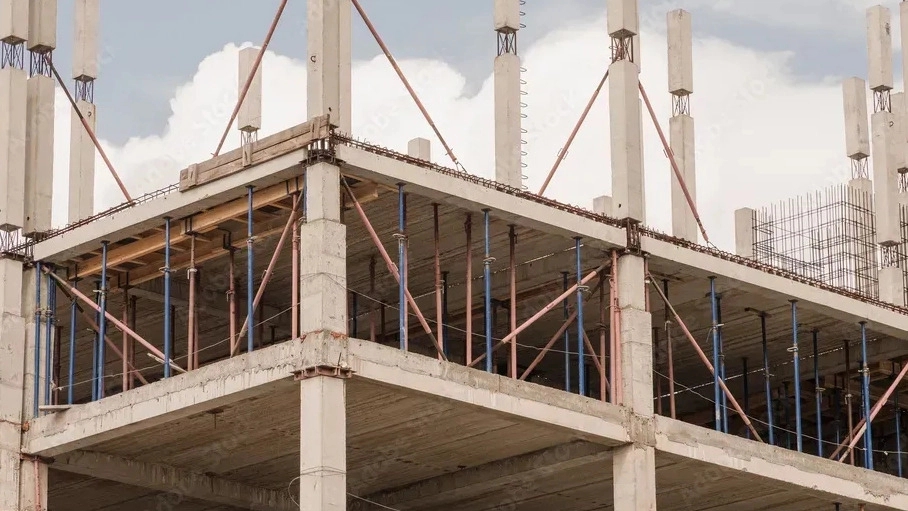
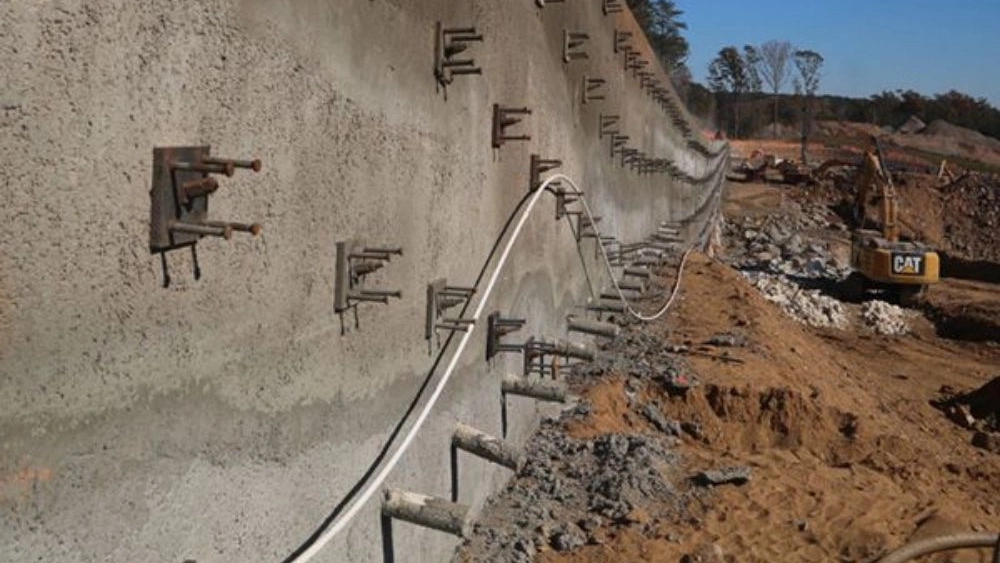
Many reinforced concrete or so-called concrete structures need to be retrofitted, repaired, strengthened and improved due to various reasons, such as errors during design or construction, changing the use of the structure, and losing part of the structure's capacity due to the corrosion of steel bars. they find Finding solutions for strengthening concrete structures and improving the load-bearing capacity of such structures has always been the concern of the designers and implementers of the structures.
Reasons for reinforcement of concrete structures
Concrete structures as a wide part of structures, if they are designed and implemented according to accurate calculations and ductility relations, they will be very desirable buildings, but the quality of construction in some structures is very unfavorable for various reasons.
Bad quality of concrete, improper reinforcement, poor execution of concreting, poor quality materials, design errors, implementation errors, increased structural load, the impact of destructive environmental conditions and the risk of earthquakes in most parts of Iran are among the factors that cause the weakness of structures. concrete and They need to strengthen the building. Many of the existing reinforced concrete structures that were designed and implemented based on the regulations before 1970, have weak details of reinforcement, which have problems such as low lateral displacement capacity, depreciation ability. Low energy has led to the deterioration of resistance and occurrence of mechanisms in undesirable places in the structure, all of which lead to the collapse and destruction of the structure. Non-deformable details in a reinforced concrete structure in the form of things such as weak shear resistance of the connection due to the lack of transverse reinforcement in the connection core, low shear capacity of the column leading to the connection, short overlapping length of the column's longitudinal reinforcements, non-observance of the compact silence zone in the beam and insufficient restraining length Beam reinforcements are mentioned in the connection area. Weakness in the beam-to-column connection area along with the unfavorable factor of weak column-strong beam endangers the stability of the structure. The occurrence of the mechanism in the beam is preferable compared to the column, and the column mechanism is more non-critical compared to the connection area. The emergence of the mechanism and joint formation in the beam-column connection area has led to increasing cycles in the beam and column, which causes the loss of the column's bearing capacity and affects the safety of the structure.
In order to investigate the strengthening of concrete structures, it is undoubtedly important and inevitable to identify different types of damage in concrete buildings. Therefore, the different types of weaknesses of concrete structures are as follows:
creation of diagonal cracks in the concrete core
delamination of the central concrete core in most of the diagonal cracks caused by earthquakes
separation of the concrete cover
Pulling out of tights and joints and moving out of their places
Shear failure of short elements or members that are connected around and their effective free length is small. Longitudinal reinforcements
Rebars coming out of their original places and going to areas of high alternating stresses
Rupture of reinforced concrete slabs on non-continuous sides
Diagonal cracks in the shear wall, especially concentrated around the openings
Creating shear cracks at the nodes and column beam joints
Concrete is a construction material with relatively good compressive strength and low tensile strength, and if the concrete member is considered without rebar, cracks will be created by applying load to the member, and this cracking will progress to the final destruction of the member (rupture). concrete is only brittle and sudden). In reinforced concrete, this problem is solved by using tensile reinforcements. This issue is one of the weak points of reinforced concrete structures and its complexity in strengthening, repairing and strengthening it. Evaluation and selection of existing repair materials is a difficult step in concrete repair and concrete reconstruction. The necessity of numerous new repair and reinforcement materials in recent years has led to the development of various methods of strengthening concrete structures.
Reinforcement with concrete jacket and steel jacket
One of the basic ideas and conventional techniques to improve and strengthen concrete structures and strengthen structures is to split the concrete cover of a structural member and place additional steel bars in the element and then cover that part with adhesives and high-strength resins. is Although this idea improves the capacity of the structure, it still leaves the problem of corrosion of steel bars unanswered. Another technique used to strengthen concrete structures is the use of steel sheets or the steel jacket technique, in which steel sheets are attached to concrete components from the outside. The steel sheet connection method is a simple and economical method; But it is problematic from the following aspects:
The high weight of steel sheets and the difficulties of making these components
Difficult access to components and the need for scaffolding
Weakness created in the adhesion between steel and concrete which is caused by the corrosion of steel
Having a length limitation in transferring steel sheets to the workshop considering the fact that in projects of strengthening concrete structures, beam lengths are generally long.
Method Another tradition in strengthening structures Concrete is the use of concrete jackets or reinforced concrete covers. The use of this method causes an increase in hardness and ductility and overall strengthening of concrete structures; One of the weaknesses of this method is the increase in the dimensions of the sections and the dead load of the concrete structure. The use of this method also requires the evacuation of the building and a lot of destruction of the concrete structure, and causes an undesirable increase in the hardness of the concrete members.
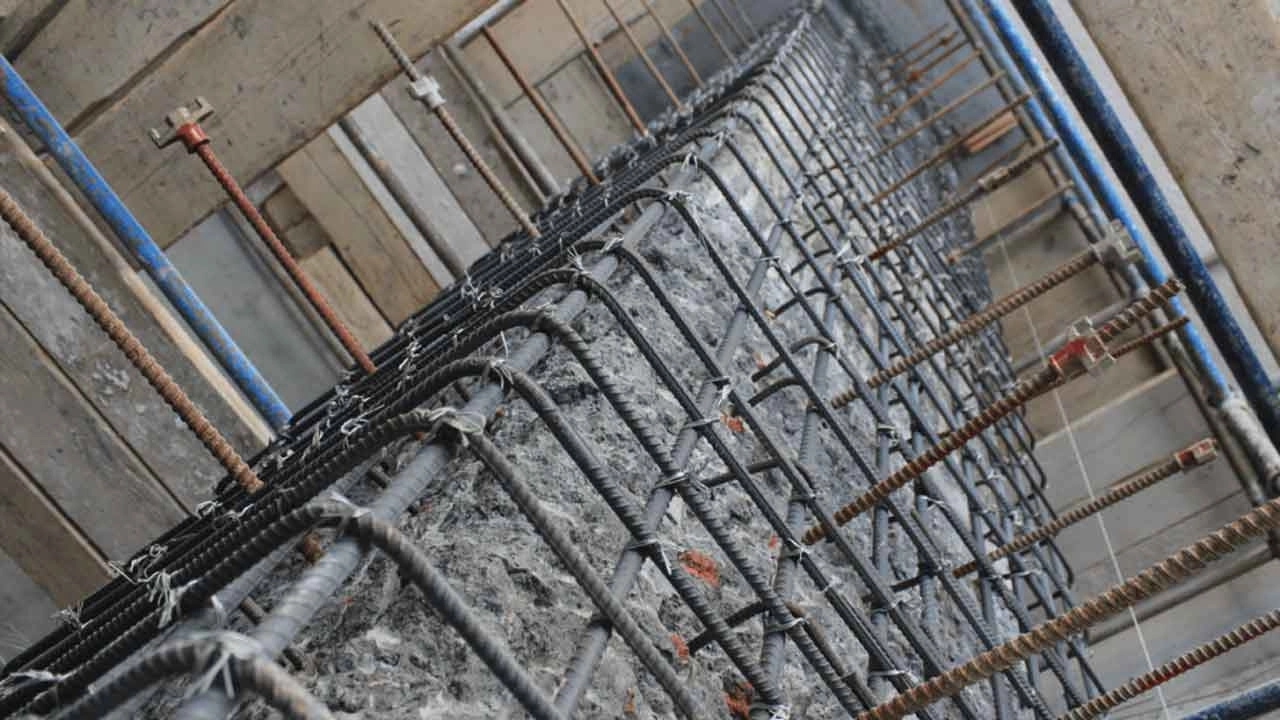
Steel shear reinforcement
In recent years, steel shear walls are frequently used as a system resistant to lateral loads in the design and strengthening of structures. Low construction cost, fast installation, high energy absorption potential, etc. make steel shear wall a very suitable system for retrofitting existing structures, and this system is currently used in countries such as the United States, Japan, and Canada to retrofit buildings. has been found The steel shear wall can be easily added to the existing metal frames, but the seismic strengthening of concrete frames by the steel shear wall is in its initial stages of development.
By comparing the behavior of concrete frames with and Without steel shear wall, it has been determined that the effect of the concrete compressive strength parameter on the capacity of concrete frames with steel sheet shear wall is greater, which can be attributed to the effect of the steel sheet on the boundary elements.
Reinforcement using steel brackets
Adding steel braces to the concrete structure will increase the hardness, reduce the plasticity requirement and increase the shear strength of the system, while causing a slight increase in the weight of the structure. In general, the use of divergent bracing systems (EBF) in concrete buildings is not common due to the high cost and the problems in implementing and providing the details of the link beam. But all kinds of convergent bracing systems can be considered in this type of improvement.