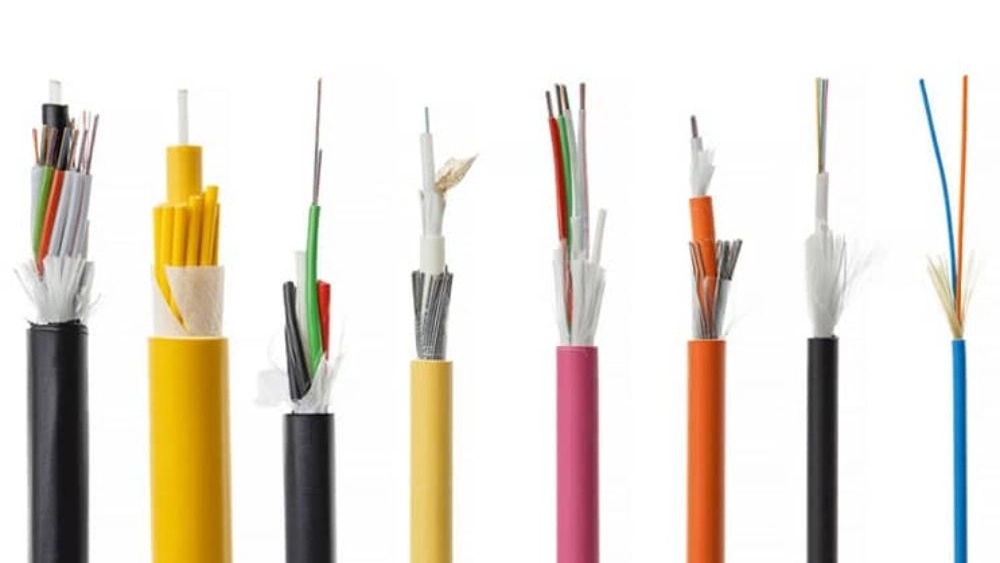

The features of the fiber optic cable
If we want to tell you about the differences between fiber optic cables and traditional cables, you need to know that these cables are thinner and lighter than their traditional counterparts. The range of data transmission by these cables is longer, and this makes them an ideal option for use in companies and businesses that send and receive data remotely as part of their regular work. This category of cables is able to provide an extraordinary connection speed for several users at the same time. It is interesting to know that the mentioned cables follow a basic principle called internal reflection in order to transfer data at high speed. It should be said that these practical equipments transmit information and data from one point to another through light pulses at a speed close to the speed of light.
Optical fiber cable applications
The unique speed of data transmission by optical fiber cable has made it an ideal option for use in various applications. Among the most important uses of this product, we can mention its use in the following areas and industries:
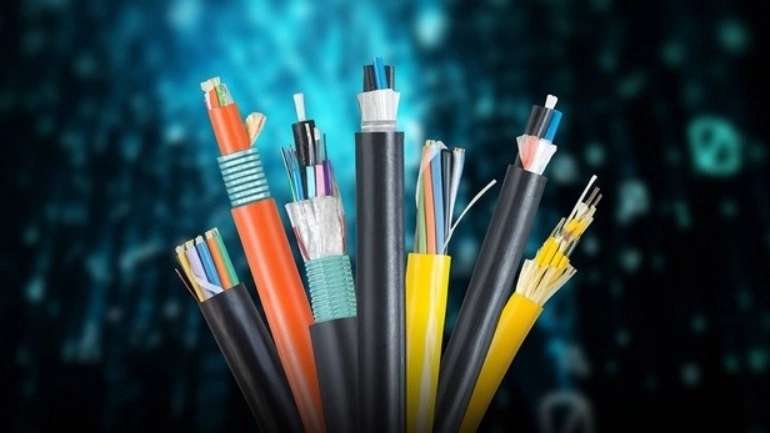
Fiber cable
Fiber optic cables are generally divided into two categories: single-mode and dual-mode fiber optic cables. In the following, we will introduce each of these types and examine them briefly.
Single Mood cable
As the name of single-mode fiber optic cable suggests, it is single-mode and is capable of emitting only one mode of light. It is interesting to know that a small central nucleus is responsible for the emission of this light. This feature of single-mode cables has caused them to reflect less light from the central core. This issue provides the ability of the signal for more and better movements. It is common to use these functional cables in long-distance remote applications. Among the most important of these applications, we can mention telecommunication, internet and television networks.
Multi -Mode cable
Multimode fiber optic cable is also known as multimode fiber optic cable. The central core located in this cable is larger and has a greater thickness and diameter. As the name of multi-mode cables suggests, they are able to provide light emission conditions in several different modes. The reflection of light to the center of the core allows more information to be sent at a given time. Of course, you should also keep in mind that this may reduce the quality of the signals. With these words, it can be concluded that multi-mode cables are more suitable for use in short distances.