
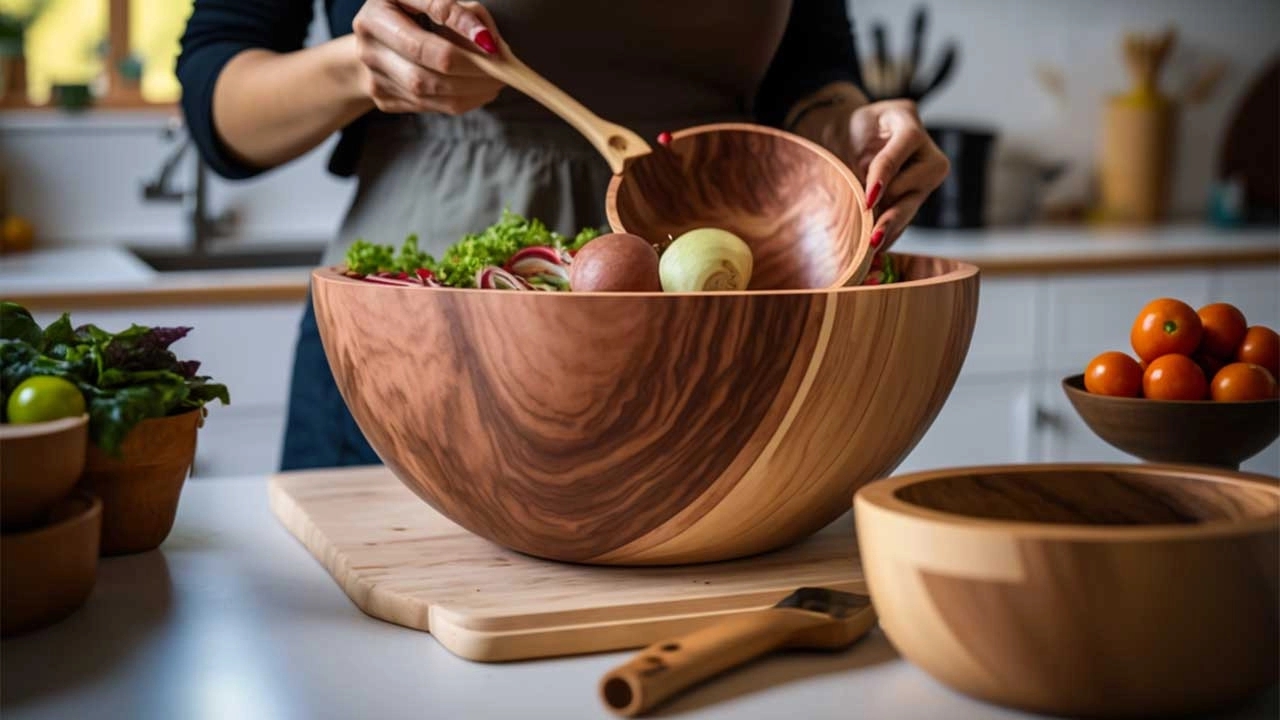


Perhaps we Iranians have been using pottery to serve food since the beginning of the earth, but the long history of using wooden utensils goes back to the Iron Age in England. From the beginning of their creation until the 18th century, wooden dishes have been one of the most popular serving dishes for people. But the 18th century was not the end of the use of wooden dishes, and now in the 21st century, modern movements of using natural and environmentally friendly dishes along with simple but beautiful designs have made wooden dishes one of the most popular serving and serving dishes in the world. has become Iranians have been the pioneers in using wooden dishes due to their great attention to holding parties and receptions. Currently, by visiting a restaurant or cafe, you will notice that a large number of restaurants and cafes use wooden serving dishes to serve their customers.
The naturalness of the cedar
First of all, wood is a natural material. This means that wooden containers are biodegradable and renewable. Biodegradable means that it is easily broken down and recycled by nature. If left outside for a few years, it will return to the soil and add nutrients to the soil. Renewable means that it can be replaced by growing more trees. Therefore, as long as we replace the trees used to make containers with the same amount, wood is a sustainable material.
Relaxation
Touching a wooden bowl or cup is a very emotional and satisfying experience. Research has shown that we have a deep connection with the natural world and respond positively to biophilic design.* The use of wooden plates, bowls and containers can strengthen this connection with nature in our daily lives. As a result, we will increase our sense of well-being and peace.
*"Biophilic design is a concept used in the building industry to increase the connection of residents with the natural environment through the use of direct nature, indirect nature and space and place conditions. is used."
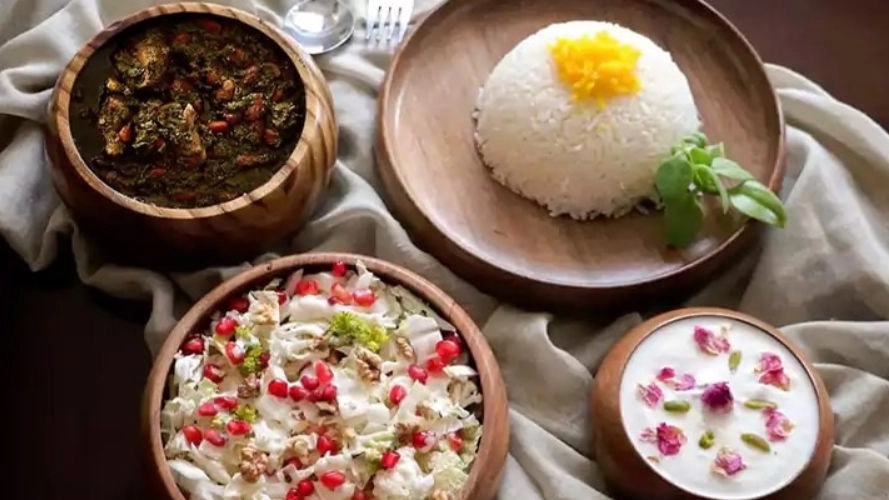
Insulation
Wooden bowls are suitable for hot and cold food. Wood is a natural insulator. So wooden bowls help keep food warm while protecting your hands from extreme heat. Holding a wooden bowl full of porridge on a cold morning is a wonderful experience.
Environmentally friendly
We have already said that wood is a natural material. As such, it is part of the Earth's cycle and breaks down to be recycled naturally. Not all forms of plastic are natural, synthetic or bio-based, but are created through industrial chemical processes, using non-renewable resources, that produce toxic emissions. It is widely accepted that plastic is a real problem for the planet and wildlife. This is because it takes 100 years to decompose after being thrown away. Unfortunately, even after all this time, it cannot completely break down, but only breaks down into smaller and smaller pieces and becomes microplastic. These microplastics are now seen as a major threat to wildlife when ingested and have now made their way into the human food chain. Management of plastic waste by burning it causes environmental problems. The small percentage that is recycled simply uses more energy and chemicals, so every step of plastic's lifespan has a negative impact on the planet. So buying less is a great way to help the planet.
Clean
It is a misconception that wooden surfaces are no dirtier or cleaner than plastic. Dr. Dean Cliver, a professor of food safety at the University of California, San Francisco, conducted research comparing the levels of bacteria on wooden and plastic cutting boards. You can read his full report on the safety of food and wooden containers here. These and other studies* have shown that wood actually harbors less bacteria than plastic. Wood has also been proven to be naturally antibacterial.