

Meybod city, one of the oldest and most important cities in Yazd province, is famous for its rich history and culture in various artistic and industrial fields. One of the prominent handicrafts and industries of this city is the production of tiles and ceramics, which has continued from the distant past to the present day and plays an essential role in the economy and cultural identity of the region.
History of ceramic tile production in Maybod
Ceramic and tile production in Meibod dates back to the pre-Islam era. In the Islamic period, this art reached its peak inspired by Iranian-Islamic architecture. Many mosques, caravanserais and religious places in this area are decorated with beautiful and patterned tiles, which show the skill of local artists.
Ceramic tile characteristics
1. Special designs and motifs:
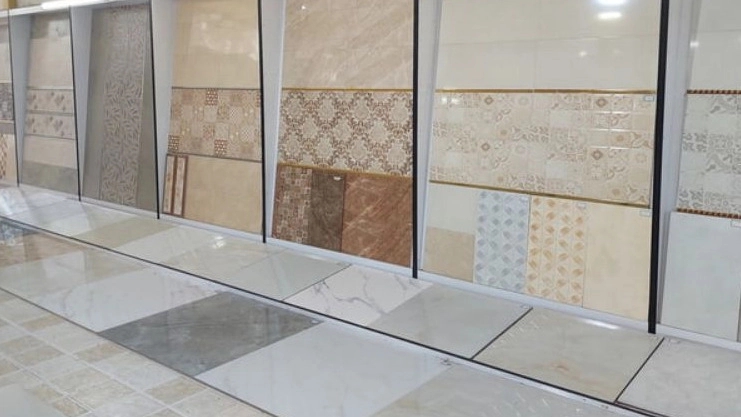
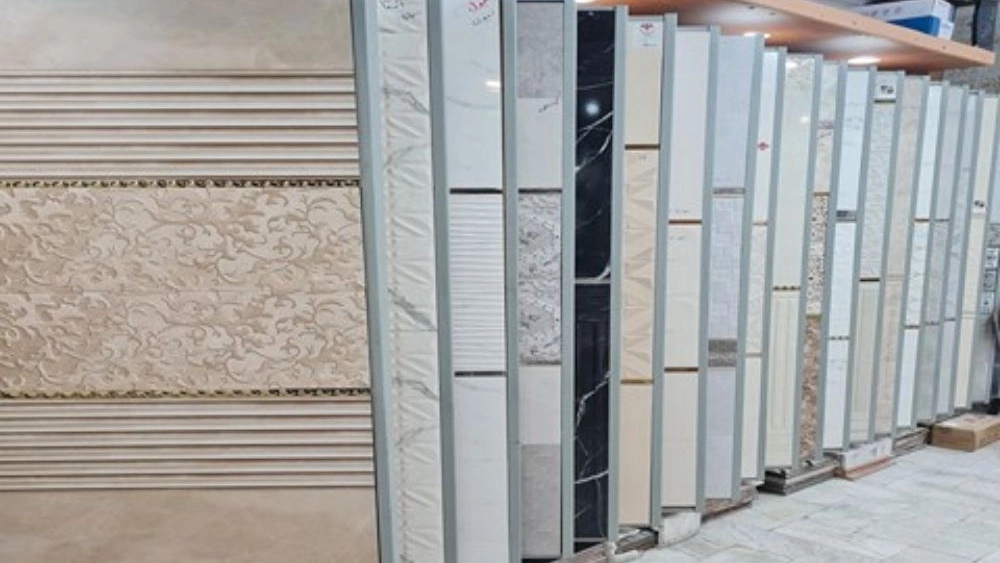
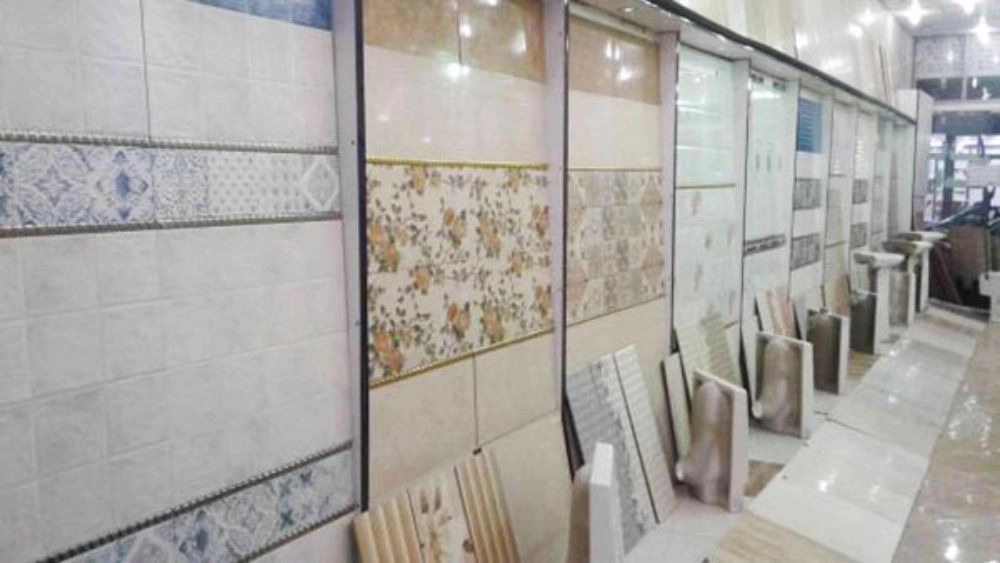
Geometric motifs, flower and slime designs are the most important features of Meybod tiles.
2. Different colors:
Using turquoise blue, white and bright yellow colors is one of the distinctive features of Mibod tiles.
3. High quality:
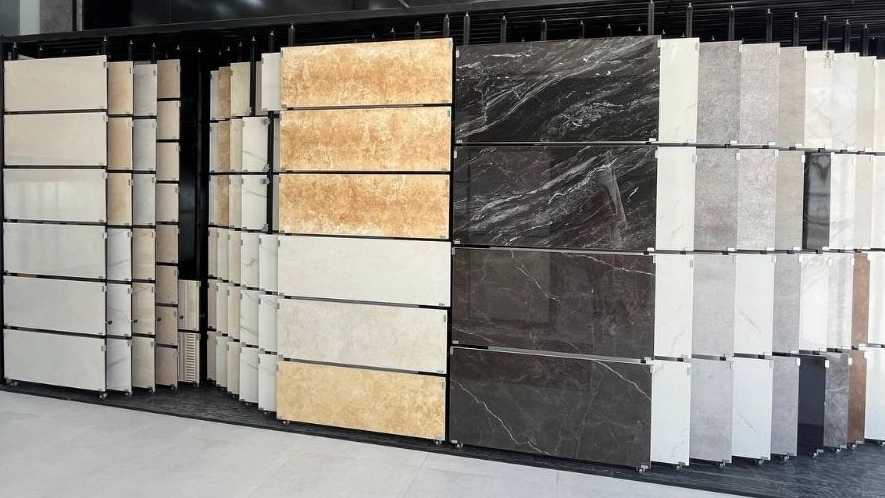
The clay of the region, which is the main material in the production of ceramics, is of very high quality and the final products are durable and strong.
Production steps
The production process of Mibod tiles and ceramics includes the following steps:
1. Clay extraction: Clay is extracted from local mines and transported to factories.
2. Shaping: The clay is shaped and placed in special molds.
4. Painting and glazing: Designs are drawn by hand or industrially on the tiles and glazed. They are baked in the oven to fix the colors.
Economic and cultural importance
Tile and ceramic industry is one of the main sources of income in Meybod. In addition to creating jobs, this industry has helped to introduce the culture and art of this region to other parts of Iran and the world. The export of Mibod tiles to different countries also shows the high quality of these products.
Conclusion
Meybod Yazd ceramic tile is a fusion of art, industry and history, which by maintaining its originality has been able to find a special place in the domestic and foreign markets. This industry is not only a symbol of skill and creativity of Meybodi artists, but it should be preserved and supported as a valuable heritage.