Specialized Sale of Manisan Pipes in Lead Pipeline
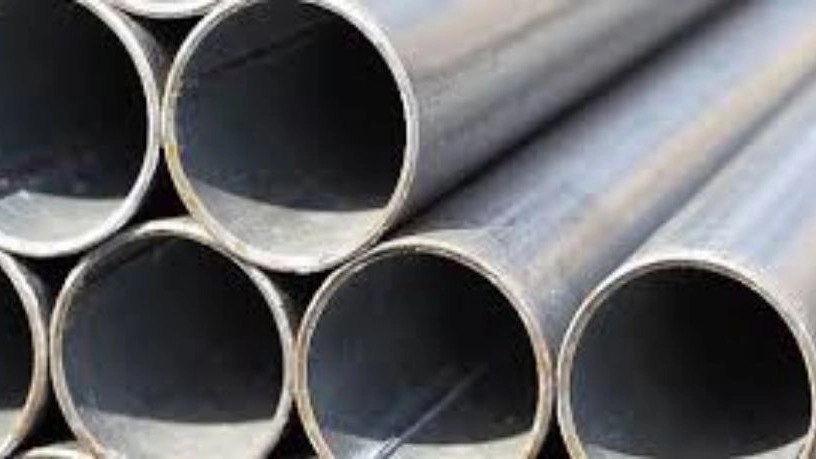
Manisman pipes, which are actually seamless pipes, have sensitive and diverse applications. The reason for naming the seamless pipes is based on the name of its inventors, Manisman brothers.
Types of Mannisan pipe
Common types of Manisman tube are as follows:
Class 20:
This type of pipe has a thickness of about 2 to 6 mm and a size of about one to twelve inches; Also, its weight varies up to about 300 kg based on its other specifications.
Class 40:
This type of Manisman pipe will have a size of about 1 to 12 inches and a thickness of 2 to 10 mm. The weight of this product reaches up to 500 kg in some cases.
Class 60:
This pipe, like other types of pipe, is not seamless and the demand for it is low. This category is usually produced and supplied in the diameter range of 8 to 24 inches; Its weight will also be different based on the diameter and thickness.
Category 80:
This product is sold in the market with a thickness between 3 and 9 mm and a weight of about 9 to 150 kg. It should also be said that it is very diverse in terms of size.
Class 120:
The weight of this product, compared to its great thickness, reaches about 700 kg, and its size and dimensions are numerous according to customers' requests.
Class 160:
is the highest category of Manisman pipes, which is marketed with a much higher weight than other categories. This pipe is used in certain industries.
How is the manisan pipe manufactured?
The process of producing seamed pipes is very simple; Metal sheets are cut into different sizes and after being rolled, they are welded.
The question is, how are seamless pipes made? Manisman pipes are produced by "extruding" technique.
Step One: Preparation of raw materials
Contrary to the seamed pipe, which is produced with steel sheet, seamless pipes are made from the following two primary materials:
Steel billet.
Steel square sections.
In the first step, ingots or square sections must enter the factory. Of course, the producer, in addition to importing the raw materials, must also decide on the thickness and other appearance characteristics of the seamless pipes and choose the desired standard; That is, to specify in what size and dimensions he intends to produce his pipe?
Step Two: Cutting and Heat Bull
The ingot enters the production line and is cut into special sizes; Then the arc furnaces begin the process of heating the ingots.
The point here is that the ingots should be heated enough to soften and allow them to be shaped. At this stage, a rotary forging process is used to make the billet take the shape of a pipe and the production process is almost complete.
Step Three: Swinging and End Parts
After sharpening, it is time to swing and adjust the head and bottom of the billet. In this section, the billet has gradually taken the shape and image of the pipe, and it is only necessary for the producers to do the final work on it. and become many dimensions and lead to the final stage.
Final stage: Complete production and packaging
Produced pipes go to the test and inspection stage. In the test stage, waste and low-quality products are discarded, and other quality pipes are packed in various sizes and dimensions.