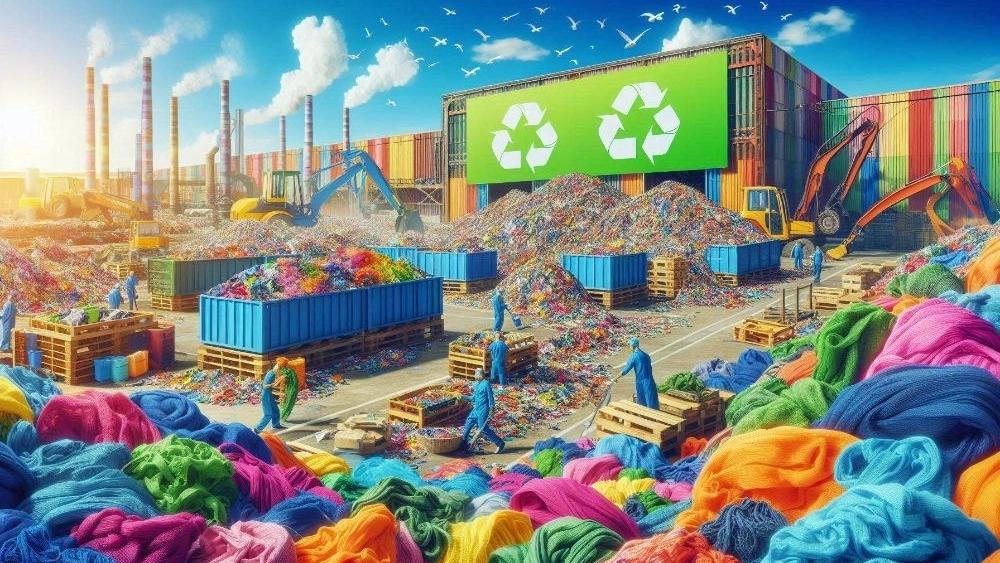
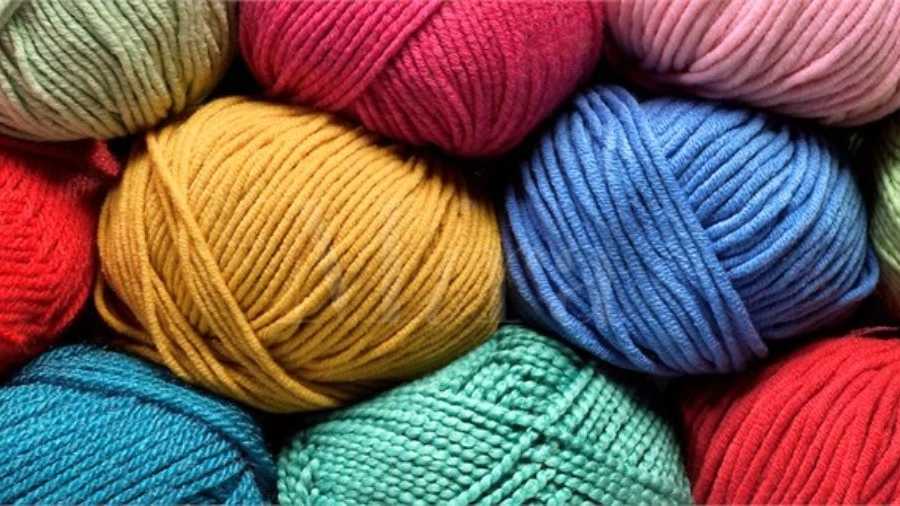
Industrial waste has always been recognized as a major challenge in production processes. One of the industries where these challenges are most visible is the textile industry, especially the buying and selling of all kinds of yarn and polyester fiber waste. These wastes can not only be reused, but also have high economic importance. Yarn and polyester fiber wastes are wastes that remain in the yarn and fiber production process or are removed from the production cycle for reasons such as minor defects. These wastes may consist of long yarns, bulk fibers, colored fibers and recycled yarns.
Polyester yarn and fiber use applications
Yarn waste and polyester fibers have different uses depending on their type and quality. Some of their most important uses are: Reproduction of yarn and fibers: Waste yarn and recycled polyester fibers can be used again in the production of high quality yarns and fibers. Making fabrics: Recycled polyester threads and fibers can be used in the production of all kinds of fabrics and textiles. Production of new products: Recycled threads and fibers can be used in the production of products such as shoes, bags, furniture and interior decoration. Usage in different industries: Recycled polyester yarns and fibers can be used in different industries such as automobile manufacturing, packaging industries, etc. Filling and insulation: Recycled polyester fibers are used to fill pillows, dolls, blankets and even as thermal insulation in buildings.
The benefits of buying and selling polyester waste
Cost reduction: Using recycled waste can dramatically reduce production costs. Protecting the environment: Recycling cotton and polyester fiber waste helps to reduce environmental pollution and reduce the consumption of natural resources. Achieving sustainability goals: This process helps to achieve sustainability goals and meet the needs of future generations. Creating economic opportunities: Buying and selling polyester waste can be a new source of income for companies.
Future vision
The recycling of yarn and polyester fiber waste in the future may expand to wider areas: Technological developments: Technological developments in the field of recycling can lead to an increase in the quality and efficiency of recycling processes. Increasing demand for recycled products: With increasing awareness of the benefits of recycling, the demand for recycled products may increase dramatically. Development of new markets: New markets are found for yarn waste and recycled polyester fibers, which can create new economic opportunities.
Buying and selling yarn waste and polyester fibers has its own benefits: reducing waste, preserving the environment, sustainable production and preventing the wastage of natural resources. This is a cycle that is both financially beneficial for producers and helps to preserve the planet.

Recycled polyester
Recycled polyester uses PET as a raw material. It's the same material used in clear plastic bottles, and recycling it to create fabric prevents it from going to landfill. Due to the relatively advanced recycling system of PET bottles, many efforts were made to invent an efficient method to reuse these bottles in yarn production.
Specifications of polyester fibers
Polyester is a type of fiber or in other words, a recyclable and high-performance thread that is used in various industrial industries, from clothing to packaging and production of technical products. The unique characteristics of polyester fibers can include any of the following:
Stretch resistance
Polyester fibers have high strength against tension; Because it is produced on the basis of chemicals and resistant to stretching; Therefore, it can be used to produce all kinds of clothes and carpets.
Heat resistance
Polyester's resistance to heat is relatively high and it can change less against temperature changes. For this reason, polyester fibers are used in factories and industries that have a relatively high temperature.
Goodness
Since polyester is based on chemicals and polyethylene, it is flexible and soft like plastic. As a result, it has good flexibility and is suitable for use in industries that require high flexibility and softness, such as the production of sports clothes.