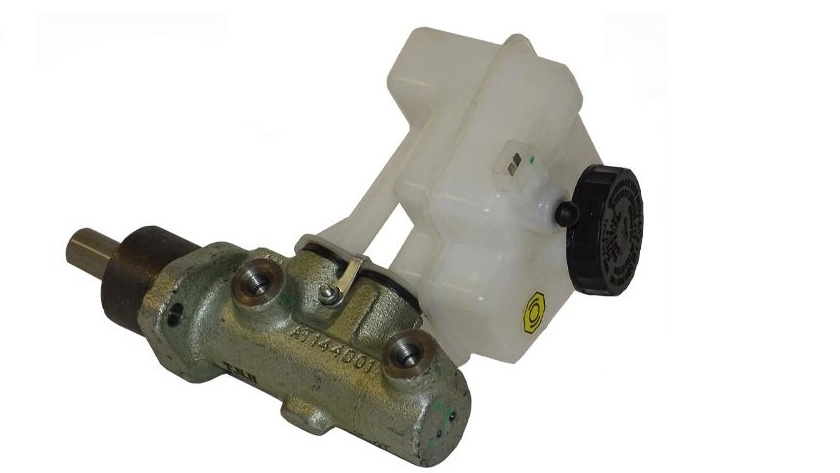




The brake system plays a vital role in vehicles and it is impossible to imagine cars without it. This system reduces the speed or stops the car by creating friction and converting kinetic energy into heat. In very old cars, the braking system had a simple structure and the direct friction of a piece of wood with the wheel stopped the car. This mechanism did not have the proper power and it greatly reduced the useful life of the wheel. With constant innovation, the hydraulic brake system became widespread and by 1950 all cars were equipped with it. Like other automotive systems, the brake system also includes several components, one of the most important of which is the brake pump. The proper functioning of the car's brake system directly depends on this part, and the smallest damage or failure can lead to bitter and unfortunate events.
Familiarity with the brake pump
When you press the brake pedal of the car, you apply a force to it. This force is finally transferred to the pads and their friction with the discs reduces the speed of the car. But the force applied to the brake pedal is not enough to stop a car that weighs more than one ton, so it must be strengthened before the force reaches the brake pad. You may know that liquids do not condense due to the fixed distance of particles; Therefore, the best available solution for power transmission that can also be enhanced is to use a fluid such as engine oil. To create pressure and transfer it through brake oil, we need a device called a brake pump.
Brake pump task
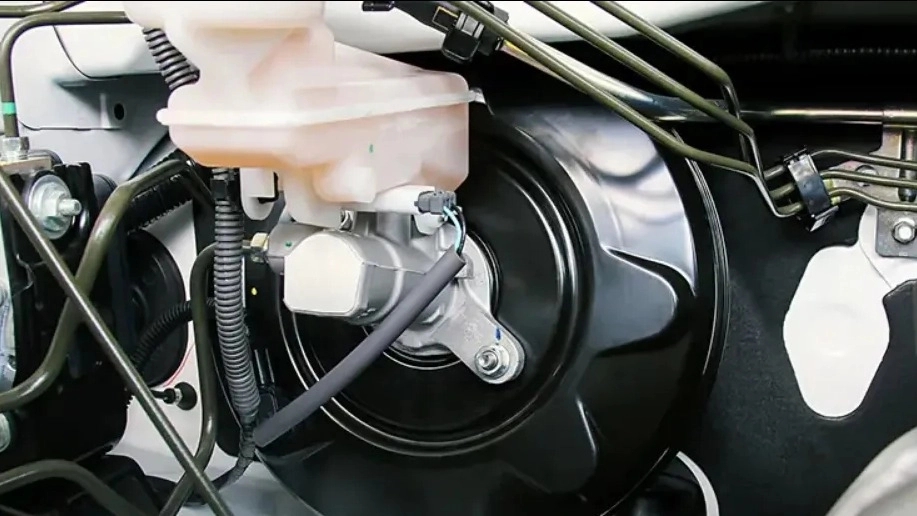
Car brake pump is responsible for converting the mechanical force applied to the brake pedal into hydraulic pressure. This force is strengthened through the booster and reaches the brake pump. The brake pump transfers the initial force of the pedal to the calipers and pads by creating pressure in the car's brake oil. The contact of the pads with the discs creates a strong friction. The presence of friction lowers the rotation speed of the disks, and as a result, the speed of the car decreases.
Types of brake pumps
Today, there are two types of car brake pumps, which are single or single chamber brake pumps and tandem or double chamber brake pumps. These pumps are different in terms of structure.
Single Brake Pump (single compartment)
This type of brake pump consists of a chamber. There is a cylinder and piston inside this pump. When the driver presses the brake pedal, its motion is transferred to this piston. Although this type of car brake pump has a lower price, it is less safe.
Brake Pump Pump
This type of car brake pump has two chambers. In other words, two cylinders and two pistons perform duties in the tandem brake pump. Therefore, in this type of brake pump, two circuits are created for hydraulics, which improves safety. In the tandem brake pump, if for any reason one of the circuits has a leak, the other circuit will continue to work with the appropriate pressure. If this happens in a single brake pump, we will see a pressure drop in the only available circuit. Obviously, in this condition, the braking power decreases. Due to higher safety and reliability, tandem or double-chamber brake pumps are used in today's modern cars.
Brake pump performance
When the driver presses the brake pedal, its movement is transferred to the booster. The booster increases the amount of power and transfers it to the brake pump. From this stage, the work of the car brake pump starts. As the cylinder valve moves forward, the spring in front of it is compressed and the oil enters the pipes of the car's brake system with great pressure. Next, the oil moves through the pipes and reaches the calipers to complete the braking operation. It is not bad to mention that pipes and ducts have different sexes in different parts.
Brake oil tank
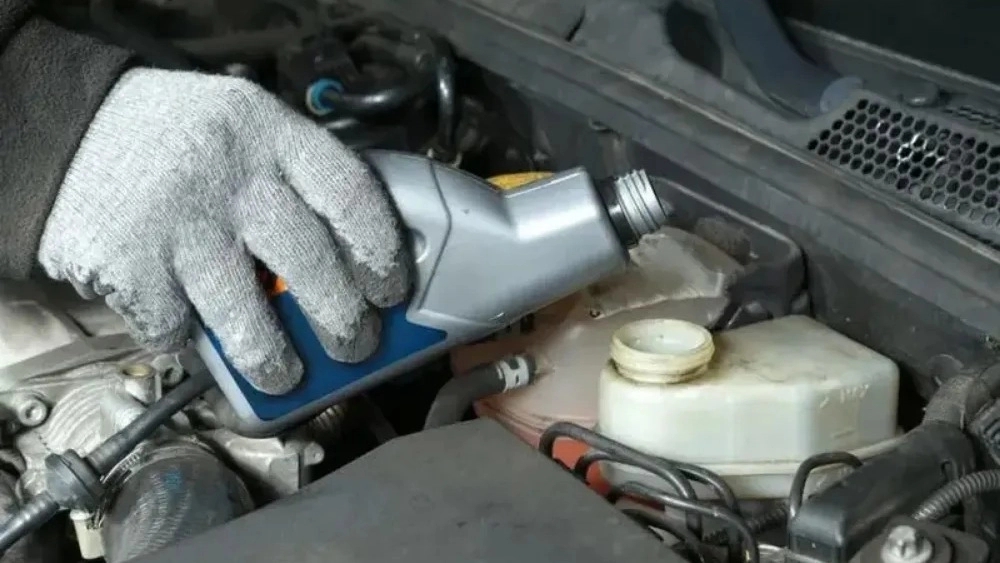
This part is located on the brake pump and its task is to maintain the car's brake oil. The oil in this tank enters the brake pump through the lower pipes. It is better for drivers to check the brake oil level in the tank once in a while, because if the oil level falls below the specified value, the braking power will decrease. There are marks on the wall of the tank that show the maximum and minimum required amount of brake oil.
Symptoms of brake pump failure
If the brake pump does not do its job properly and the oil does not reach the calipers with the right pressure, there will not be enough force to brake. Obviously, in this case, the probability of an accident increases. Disturbance of the car's balance when braking is one of the signs of brake pump failure. Disturbance in the behavior of the brake pedal can be another sign of brake pump failure. Whenever you feel that the brake pedal doesn't work as before and you need to apply much more pressure to slow down or stop completely, you need to check the health of the car's brake pump as soon as possible.
Prevent brake pump failure
Like many other car parts, the brake pump also has its own life. Fortunately, the lifespan of this part is high and it performs its duty correctly for many years. If it is necessary to replace the brake pump or other components of the brake system, the replacement parts should be selected from high-quality products. Also, some mechanics suggest that after parking the car by moving the brake pedal two or three times, remove the pressure from the brake pump and brake oil ducts.