What is a smart greenhouse?
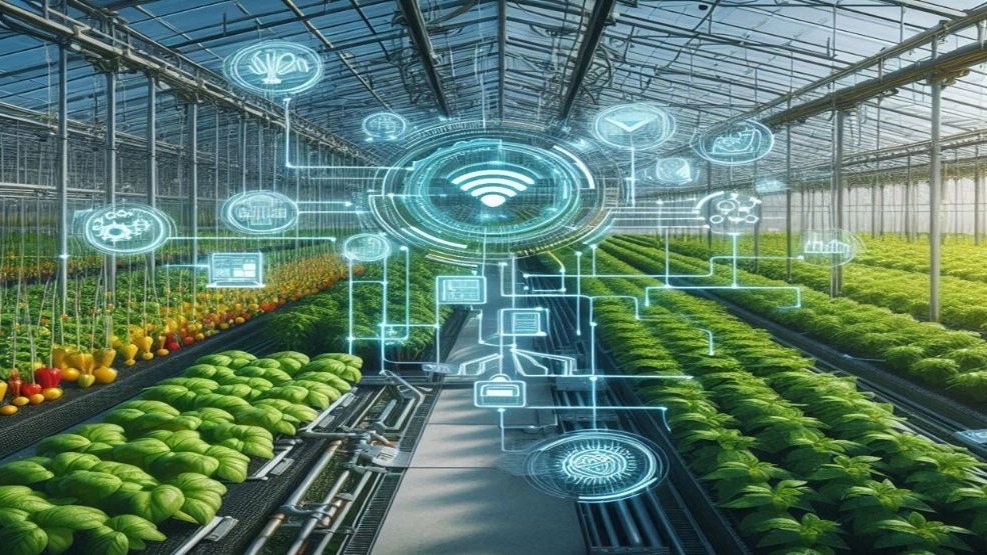
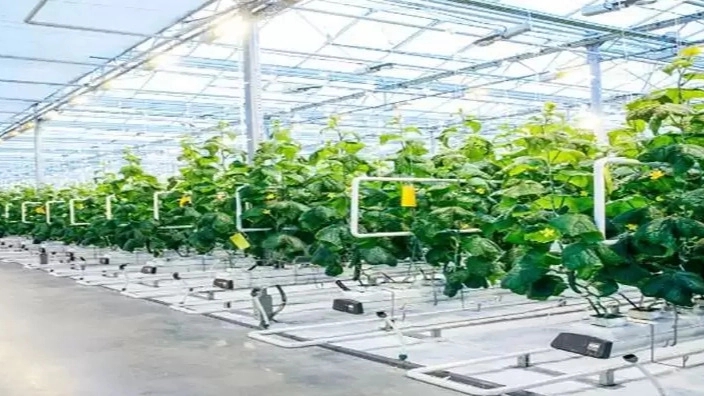
The smart greenhouse system is basically a normal greenhouse that is equipped with a set of sensors and advanced greenhouse control equipment to maintain the factors affecting the growth of plants, including heat, humidity and light, at an optimal level. The intelligentization of the greenhouse makes the plants grow faster and it is possible to harvest more crops in a shorter time.
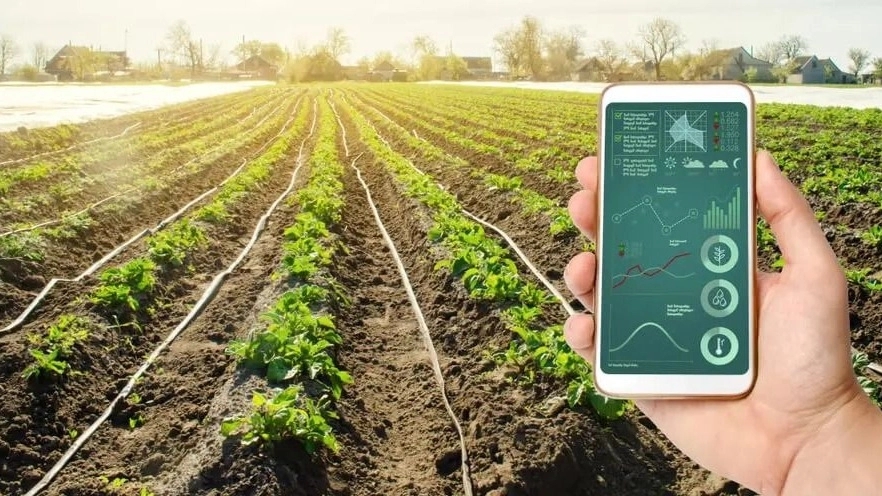
In this technology, data collected from sensors installed in smart greenhouses are used to automatically control the climate of the greenhouse. For example, the data collected by temperature and humidity sensors are used to control the climate of the greenhouse, and the automatic ventilation system also provides optimal air flow for the greenhouse. In underground greenhouses that do not have access to sunlight, the intelligent greenhouse lighting system can automatically adjust the intensity and duration of light to simulate sunlight.
Smart Greenhouse Features and Features
The smart greenhouse provides us with various features and facilities that together create a controlled and optimal environment for the growth of plants. By using these facilities, the efficiency of the greenhouse and the quality of the products are increased and the cost or dependence on human power is reduced. The most important features of a smart greenhouse are:
Automatic control of temperature, humidity, lighting and carbon dioxide gas level in the greenhouse
Intelligent irrigation of the greenhouse based on the soil conditions and the amount of moisture required by the plants
Automatic control of greenhouse lighting and the possibility of growing plants all year round
The possibility of remote monitoring and control of greenhouse equipment
Access to greenhouse data at any moment and the ability to make timely decisions
Optimal use of water and energy based on the needs of plants
Notifying the operator of the occurrence of critical conditions such as temperature fluctuations, power outages and equipment failure
Greenhouse Smart Equipment
The design of smart greenhouses is done using various equipments that are made to monitor and control the conditions of the greenhouse. Environmental conditions such as temperature, humidity, CO2 level, light, etc. directly affect the growth of plants and the amount of harvest, and these equipments help us to control the conditions of the greenhouse automatically without the need for human intervention. The most important equipment used to make the greenhouse smart are:
Humidity sensor: The humidity sensor is used to measure the amount of humidity in the greenhouse and then adjust this factor based on the needs of the greenhouse plants.
Temperature control equipment: The temperature of the greenhouse has a great effect on maintaining the health of the plants as well as the growth of the plants. The temperature control of the smart greenhouse is done through a smart thermostat. If the temperature of the greenhouse exceeds the permitted value or the temperature of the greenhouse falls below the permitted limit, the smart thermostat detects these changes and brings the temperature to the permitted range.
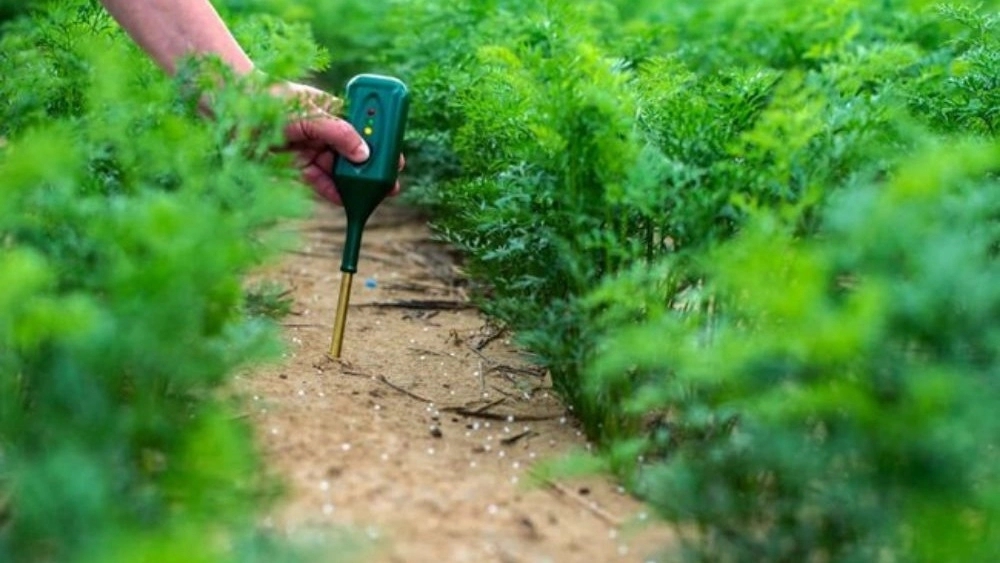
Lighting control equipment: The intelligent lighting system provides the light needed for plant growth based on the characteristics of each plant. This system helps us to provide plants with light intensity, radiation duration and light spectrum based on their needs; Therefore, it is possible to create multi-story greenhouses and underground greenhouses without the need for sunlight and with the least energy consumption. Carbon dioxide gas sensor: This smart sensor measures the amount of carbon dioxide gas in the air. If the amount of carbon dioxide in the air decreases or increases, you will be informed about this. It is also possible to adjust the ventilation system based on the greenhouse air carbon dioxide sensor data. Soil nutrient monitoring and control system: Soil nutrient measurement sensors help us to know the presence of elements needed by plants, such as the level of nitrogen, potassium, phosphorus, etc.; Therefore, we can do fertilization based on the elements in the soil and the needs of the plants more precisely. Intelligent irrigation equipment: The intelligent irrigation system adjusts the amount of water used and the irrigation time based on the data of various sensors such as the soil moisture sensor; So, while the plants receive enough water, the wastage of water is also prevented.
The Benefits of Smart Greenhouse
Smarting greenhouses has several advantages that justify the implementation of this plan completely from an economic point of view, making greenhouse management easier and improving the quality of products. Some of the most important advantages of smart greenhouses are:
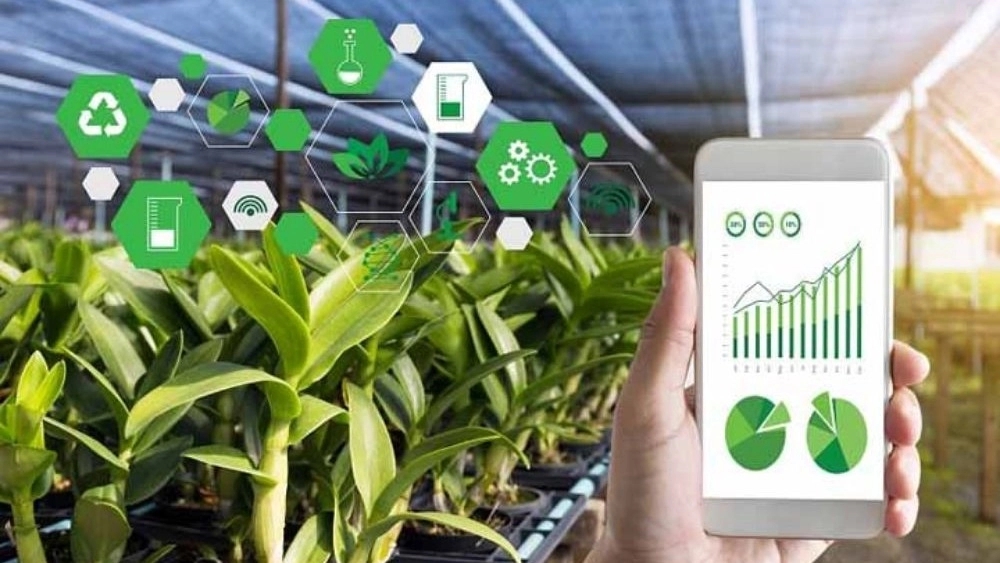
Access to greenhouse data at any moment: Various sensors are installed throughout the greenhouse to measure greenhouse data including temperature, humidity, CO2, lighting, etc. By using these data, the possibility of accurate and automatic control of greenhouse conditions based on the characteristics of each plant is provided.
Increasing productivity in watering and fertilizing plants: while measuring environmental parameters such as temperature, humidity, etc. help us to know the conditions of the greenhouse, the data from soil moisture sensors and measuring nutrients also help to optimize water consumption and supply The materials needed by the plants are used.
Controlling pests and preventing the spread of plant diseases: Pests and plant diseases are one of the most important challenges in the field of greenhouse management. By using the data collected by the smart greenhouse sensors, we can quickly find out what is happening in the greenhouse and prevent the spread of pests and plant diseases to the entire greenhouse space by performing timely spraying or biological control.
Increasing the security of greenhouses: Smart greenhouses can be equipped with various security devices to notify unauthorized people entering the greenhouse. By installing gas leak sensors or smoke detection, we can also prevent incidents such as fire or explosion.
How to design and build a smart greenhouse
For the design and implementation of the greenhouse smart project, various factors must be considered so that the greenhouse has the lowest cost and the highest efficiency. At the time of designing a smart greenhouse, the principles of greenhouse design, the standards of each country for the design and construction of the greenhouse structure, the climate of the region, climatic limitations and the limitation of the available space for the construction of the greenhouse should be taken into account.
After the design, it is time to implement the greenhouse, which includes the installation of the main frame of the greenhouse and the installation of the greenhouse cover. The installation of greenhouse equipment, including all kinds of sensors and greenhouse control systems, is done after the construction stage. The types of smart greenhouses are:
Smart Greenhouse with AVR
We can use a microcontroller to automatically control the conditions of the greenhouse. The AVR family of microcontrollers are one of the proven tools in this field, which are used to control various variables in industry, educational projects, advanced electronic devices, etc.
Greenhouse Smart with PLC
Today, PLC is widely used to control industrial equipment, so that in almost every advanced production unit, we can find equipment equipped with this control system. By using PLC we can control the temperature, light and irrigation system automatically. The PLC controller is reprogrammable; Therefore, in case of changing the type of greenhouse plants, it is possible to use different programming codes.
Hydroponic Greenhouse
In the traditional method, greenhouse plants are planted on the soil to absorb water and nutrients in this way, but in the hydroponic cultivation method, the water and elements needed by the plants reach the roots of the plants through mineral solutions. Using various sensors and advanced equipment, the intelligent hydroponic greenhouse adjusts the conditions of the greenhouse according to the needs of the plants in order to achieve the highest efficiency with the lowest cost.
Smart Greenhouse with Arduino
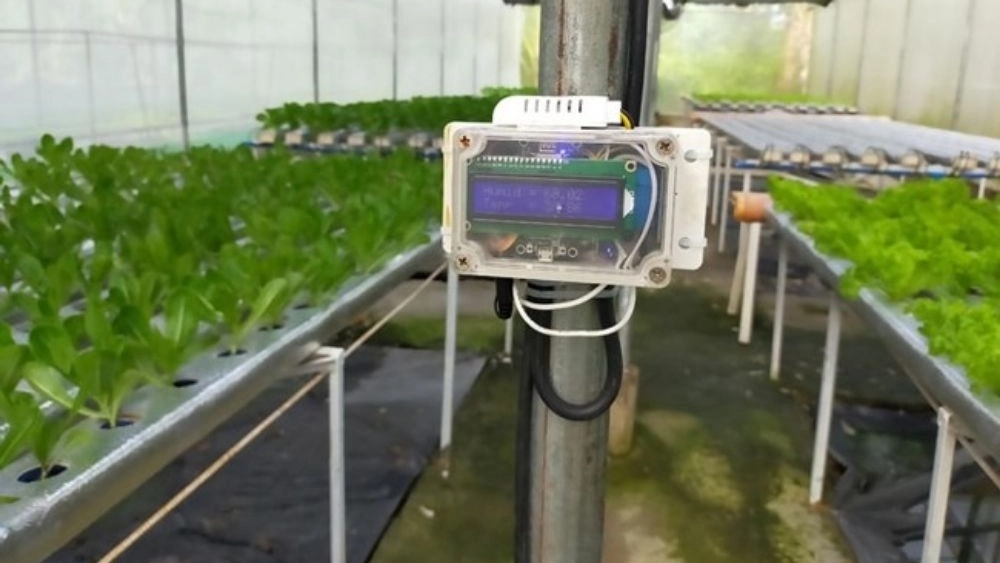
Arduino is a hardware and software platform that is used in today's world to implement various educational and scientific projects. This platform consists of a microcontroller, board and software bootloader and can be programmed using IDE software.