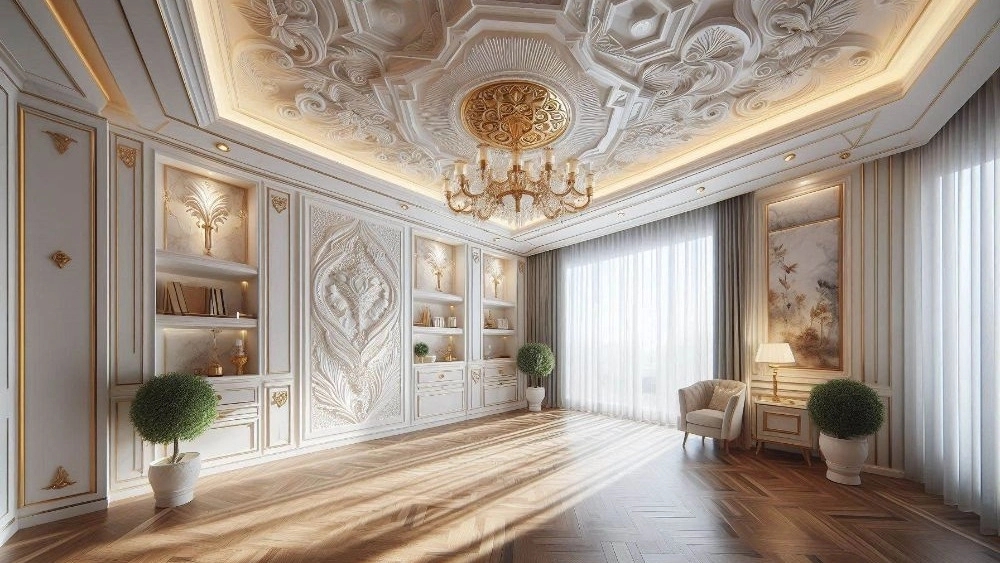
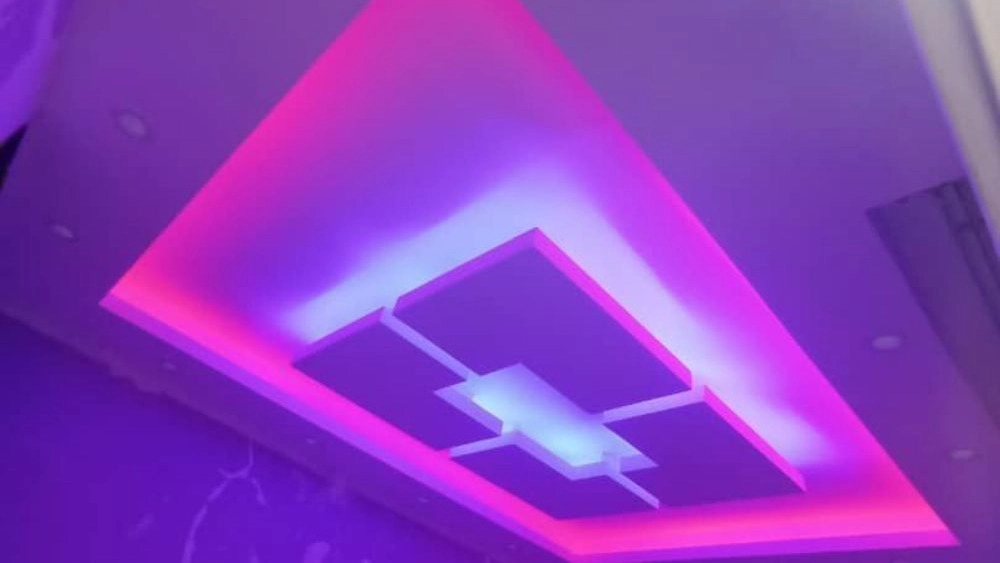
One of the new materials used in building construction is knaf. Today, Konaf holds a major part of the world's construction market. Kenaf, as a German design, is a type of high-quality board in the form of gypsum coating, which is used in various parts such as false ceilings, separating walls and covering walls. Kenaf implementation is used in constructions and repairs. Kenaf technology guarantees the strength and durability of the structure. Despite its popularity, its price is quite reasonable.
The use of work -based cannabis
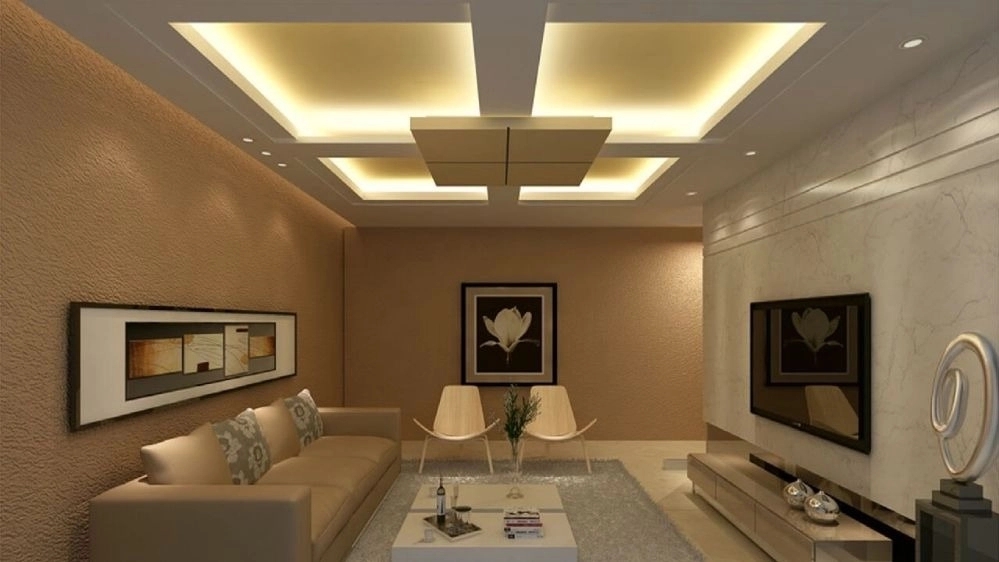
False wall cover: This cover is suitable for the reconstruction of old buildings, which is done in two ways without structure and with structure. Separating false wall: Kenaf can be used as a false wall to separate an interior space. These prefabricated walls are used with special screws and filling the seams with putty. At the end, you can use paint, tiles or wall paper to cover it. Mesh false ceiling: It is very easy to adjust its height using special hangers from the ceiling. In this type of roofs, plaster and plaster tiles are used. Kenaf integrated false ceiling: Kenaf implementation is more suitable for production units. Its infrastructure is made of steel, which makes it strong and durable. It is easy and quick to install. One of its features is easy access to electrical installations above the false ceiling.
The main advantages of the use of cannabis
High installation speed: One of the most important advantages of using Kenaf in construction is its high installation speed. This feature can help reduce project time and save money. Reducing the weight of the structure: Due to its light weight, Kenaf does not put additional pressure on the main structures and reduces construction costs. Sound and thermal insulation: One of the prominent features of Kenaf is its efficiency in sound and thermal insulation, which increases comfort and saves energy.
Flexible designs: Due to its ease of cutting and malleability, knaf allows the implementation of creative and diverse designs. High resistance against earthquakes: Due to its integrated and strong structure, the Kenaf system has good resistance against earthquakes. Fire resistance: Kenaf gypsum panels usually have fire-resistant properties that help increase the safety of the building. This feature is especially important in public and commercial buildings.
Other benefits of implementing cannabis
A variety of methods of implementation
Kenaf work is done in different ways, each method is suitable for different spaces and has its own characteristics.
Grill
In this method, the ceiling or wall is created using gypsum tiles and metal profiles. This method is suitable for office and commercial spaces due to quick installation and easy maintenance.
Integrated Working:
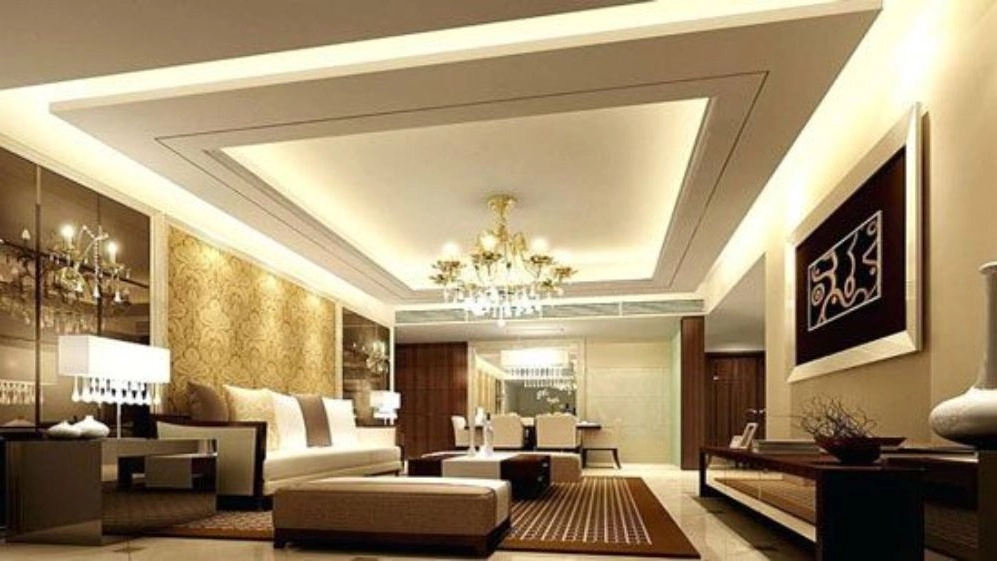
This method includes the installation of Kenaf panels in an integrated and seamless manner. Integrated kenaf is used for high ceilings and large spaces and can give a beautiful and modern look to the space.
Compare Methods of Implementation:
Cuff
List of necessary tools: The tools used for kenaf include electric screwdriver, metal profiles, level, meter, knife for cutting kenaf, putty, and types of putty. Characteristics of tools: Choosing quality and appropriate tools can help improve the speed and accuracy of work. For example, an electric screwdriver with the ability to adjust the speed is one of the basic tools in the installation of knaf. The price of tools: The price of Kenaf tools varies according to the brand and quality. For example, tools that are made from reputable brands have a higher cost, but they also have higher durability and quality. Recommendations for buying tools: Before buying, it is better to determine your project needs and budget. Buying high-quality and practical tools can save money in the long run. Reputable brands: Some reliable brands in the production of Knaf tools include brands such as Bosch, Makita, and D-Walt, which offer professional and durable tools.
The most used types of false ceilings
Galvanized sheet false ceilings Rabits and coated false ceilings Aluminum false ceilings Acoustic false ceilings False ceilings of the type of prefabricated gypsum structures Prefabricated false ceilings of Talaq and Plexiglas type False ceilings of asbestos sheets and smooth cement Polycarbonate and Iranite false ceilings