
What is the source of steel?
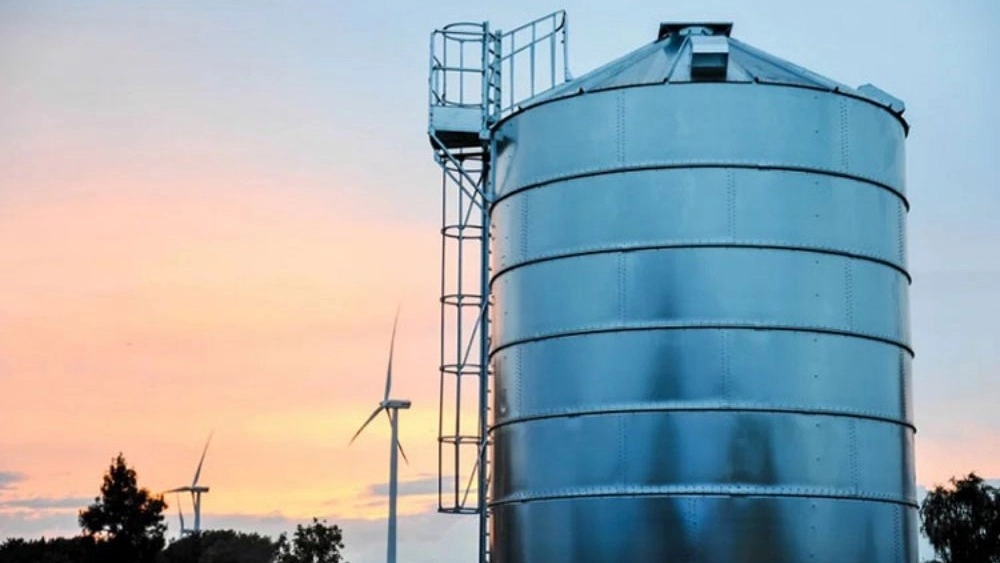
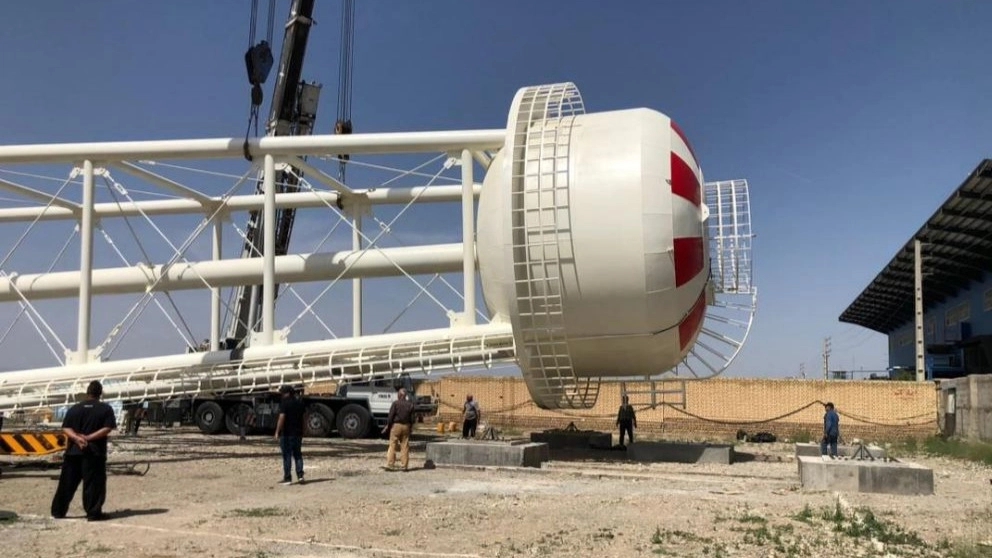
Steel tank or steel tanker is a type of tanker made of steel sheet. This tanker is used in various industries such as food, pharmaceutical, chemical, sanitary, petrochemical, etc. The unique feature of steel source is resistance to corrosion, pressure and temperature. In addition, the steel tank can be washed and disinfected and is very suitable for transporting and storing perishable food. These features have made the steel tank very popular. Steel tankers are made in different shapes such as horizontal, vertical or standing, conical and other shapes.
Application of steel tank
The steel tank is one of the most widely used tanks among all types of tankers; Therefore, it can be used in various industries and uses. Some of the uses of steel tankers are:
Carrying or storing drinking water
Transporting and storing water for garden and farm irrigation
Storage of liquid fertilizer for agriculture
Transportation and storage of food and dairy products
Use in industrial kitchen equipment
Use in the pharmaceutical industry
Use in petrochemical industries
Storage of various gases
Use in the chemical industry
Transporting and storing all types of acid
Storage and maintenance of cement
Use in cosmetics factories
Use in nuclear industries
Use as septic tank and garbage collection
Biogas holder
Use in slaughterhouses
Storage of industrial and sanitary alcohol
Production and storage of detergents
Application in military and security industries
Use in power plants to store water and fuel and other uses
Stainless steel water tank
One of the most widely used tanks is the water tank. The steel water tank is resistant to corrosion and rust and can withstand high pressure and temperature. On the other hand, the water in the steel water tank does not rot or smell bad. For this reason, it is a suitable option for storing drinking water, water needed in the food industry and other industries related to it.
Stress -pressure stainless steel
The pressure steel tank is used to store gases and other chemicals under pressure. These tanks are made in different capacities and pressures for petrochemical, chemical and military industries. Resistance to impact, pressure and corrosion is one of the characteristics of these tanks, which brings more security to these tankers.
Isolated steel tank
The isolated source is a tanker that keeps the temperature constant. This tanker is used in the food, health, pharmaceutical, chemical, oil, gas and any other industries that require storage at a constant temperature. These tanks are usually double-walled. Between these two walls, materials such as glass wool, cold water or hot oil are placed in order to eliminate the temperature exchange between the tank and the environment. In other words, with the help of these two walls and the materials between them, constant temperature is important.
Tank
Iso tank is another type of steel tank. The special use of this tanker is to carry various fluids such as cosmetic and health products and materials such as glucose and glycerin. These tanks are also usually double-walled.
Stainless steel tank
Car tanker or tanker truck is a type of tanker mounted on a truck or trailer. The use of this tanker is to transport different fluids to other provinces or other countries; Therefore, if we want to send any type of liquid to long distances, we use a tanker car. Steel car tanker is one of these tanker trucks. With the help of this tanker, any type of liquid can be transported. From drinking water to acids and corrosive chemicals.
Types of stainless steel source based on appearance
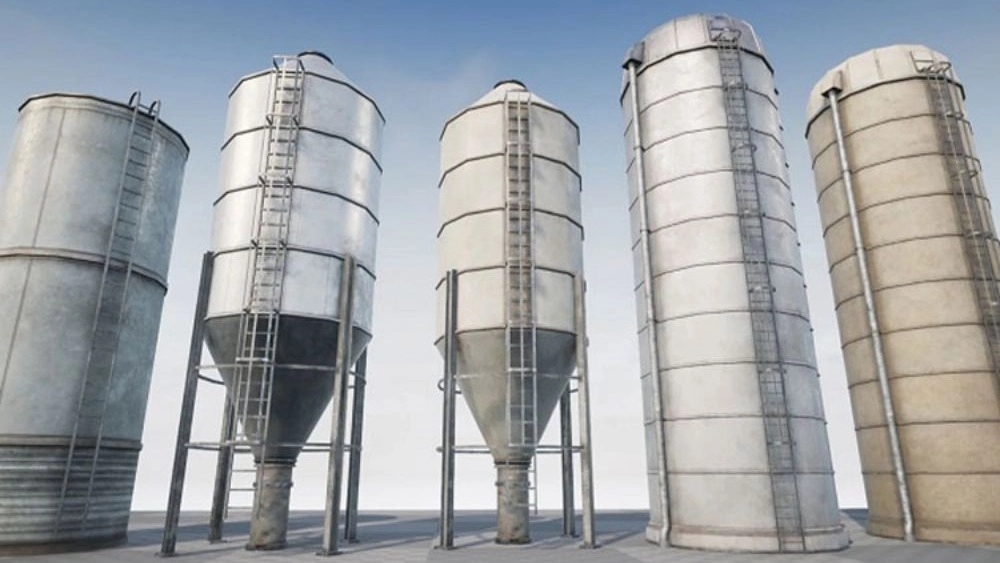
Tankers have different shapes. This form is made based on the type of material that is going to be stored in the tanker. A pressure tanker, for example, is usually built as a cylinder with a spherical top and end. If this tanker needs to be installed at a height, we must make it completely spherical. As another example, water tankers are usually made standing, which are called vertical tankers. Types of steel tankers based on appearance are:
Vertical source
Horizontal tanker
Conical tanks
Spherical source
Cubic tanker
Cylindrical tanker
Oval Tanker
Technical Specifications of Steel Source
Like many other features that we have mentioned so far, the specifications of the steel tank also depend on the use of the tank; But some characteristics are the same in all of them.
Steel type: As we mentioned before, the type of tank depends on the sheet grade. What your tank is suitable for and how resistant it is to corrosion, impact, temperature and other parameters depends on the sheet grade.
Inner coating: Depending on what you use the steel source for, the type of inner coating is also different. For example, the inner lining of the acid tank is different from the inner lining of the milk storage source.
Diameter: We can determine the diameter of the tank according to the capacity required by the customer and the space he has planned for placing the tanker.
Height: If you are placing the tank on the roof, the height of the tank is important for you. In addition, the height of the tank has an effect on its pressure.
Thickness: parameters such as pressure, type of fluid that can be stored, working temperature and other such things must be calculated in order to be able to calculate the required thickness of the tank.
Input and output connections: This component is determined based on the needs of the project.
Manhole: This hatch is required for source inspection. When the tank needs repair or inspection, the repair team and the inspector can enter the source through this window.
In addition, depending on the type of project, it may be necessary to connect some connections. such as a pressure gauge, safety valve, and such things.
The benefits of using a steel tank
Steel tank is very popular and widely used. In this section, we would like to explain some of the advantages of the steel source to understand why the steel tanker is so popular and widely used.
Long-term product storage with high quality
Resistant to corrosion and rust
The beauty of the steel source compared to other tankers
Long life
Need less repair
Ability to design and manufacture in different sizes
Single-wall, double-wall and triple-wall construction
Completely hygienic and approved by health institutions such as the Food and Drug Organization
It is possible to install a mixer and coil in it
The ability to recycle after the end of its useful life
High adaptability
Easy portability
Longevity of the steel tank
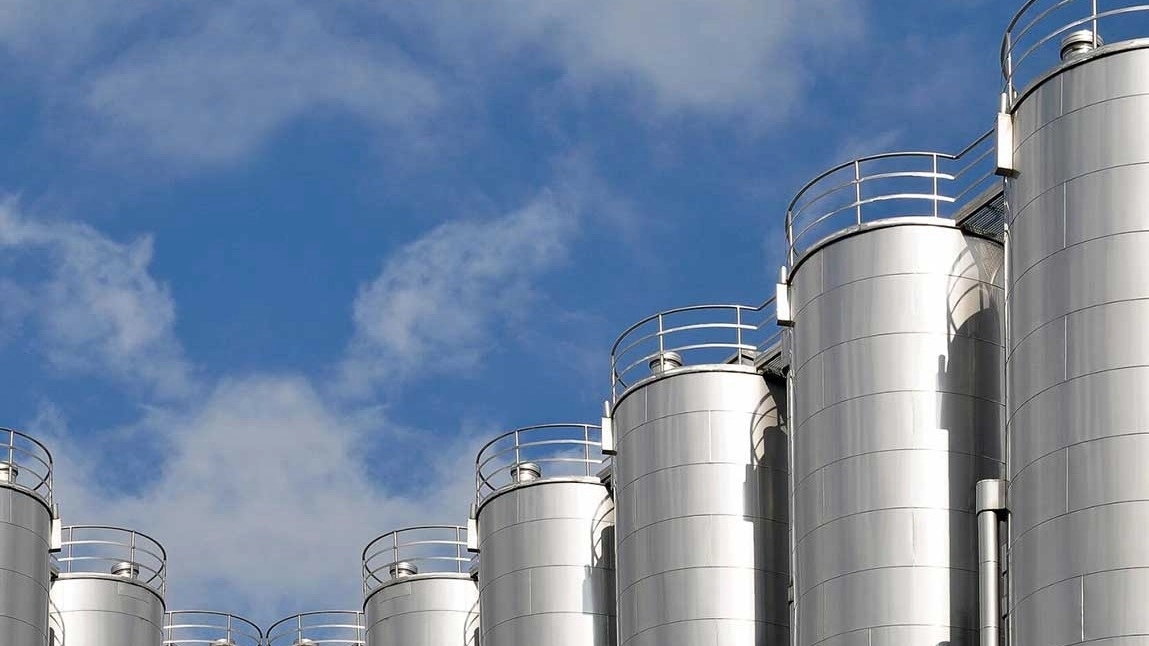
Several factors affect the lifespan of a steel tank. These factors are:
The quality of the steel tanker sheet: the higher the grade of the steel sheet, the more resistant the tank is to various factors and the longer its life.
How to care and maintain: Regular inspection, cleaning, repairs and maintenance can help extend the life of the tank. In this regard, any signs of corrosion and damage should be investigated and resolved as soon as possible. Also, damaged and damaged side parts should be replaced.
Environmental conditions: temperature, humidity, air pollutants, direct sunlight and factors like these can directly affect the lifespan of the tanker. By protecting the source against these factors, the lifespan of the steel tanker can be increased.
How to install: When installing a steel tank, all instructions and standards must be followed so that the tank works well. Otherwise, its lifespan will be reduced. In some cases, leaks and failures occur due to improper installation.
If all these things are followed well, the lifespan of the steel tank will be between 20 and 30 years. If all these conditions are met perfectly, we can expect the tank to last up to 40 years.