

What is a Roman view?
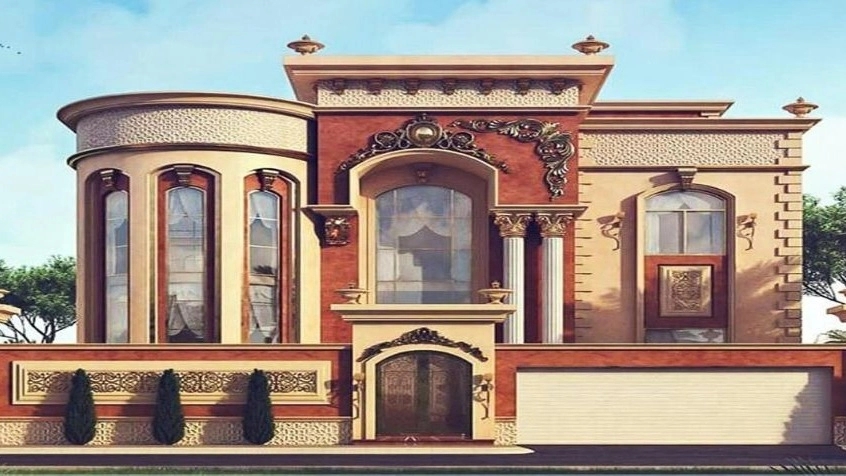
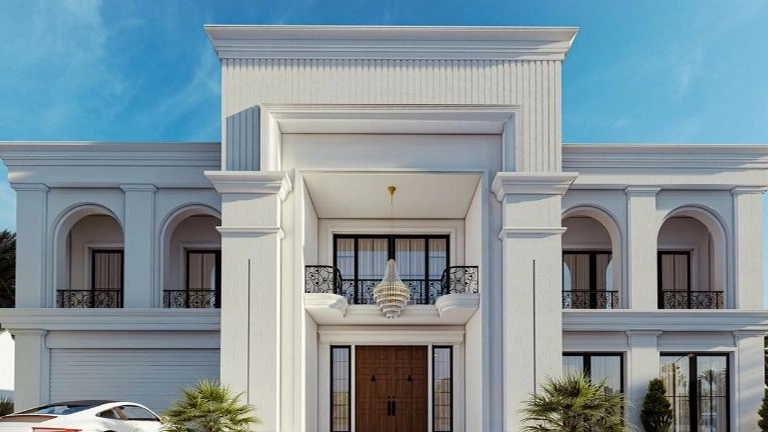
Roman facade is a type of architectural design that is inspired by the ancient styles of Rome and Greece and is implemented using materials such as natural stones, cement and sometimes plaster. This style is characterized by details such as decorative columns, arches, classical capitals and delicate patterns. The Roman facade gives a luxurious effect to the building and is often used in residential and commercial projects. This style offers a combination of beauty and strength and is still very popular in modern architecture.
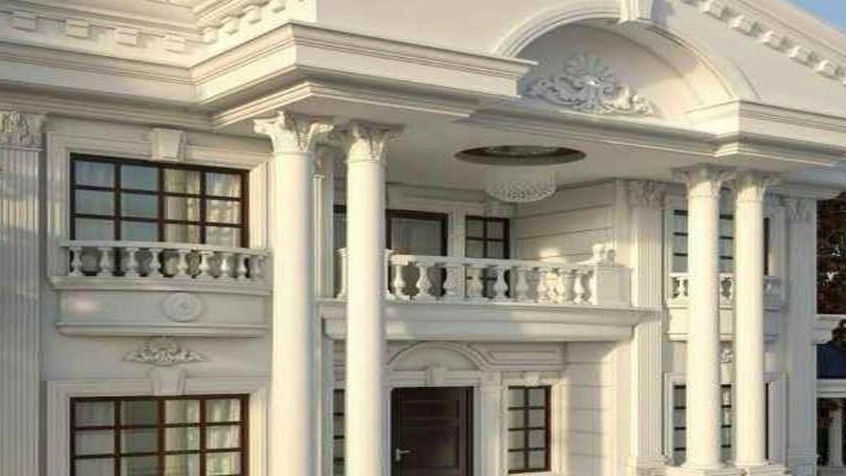
Classic Roman View
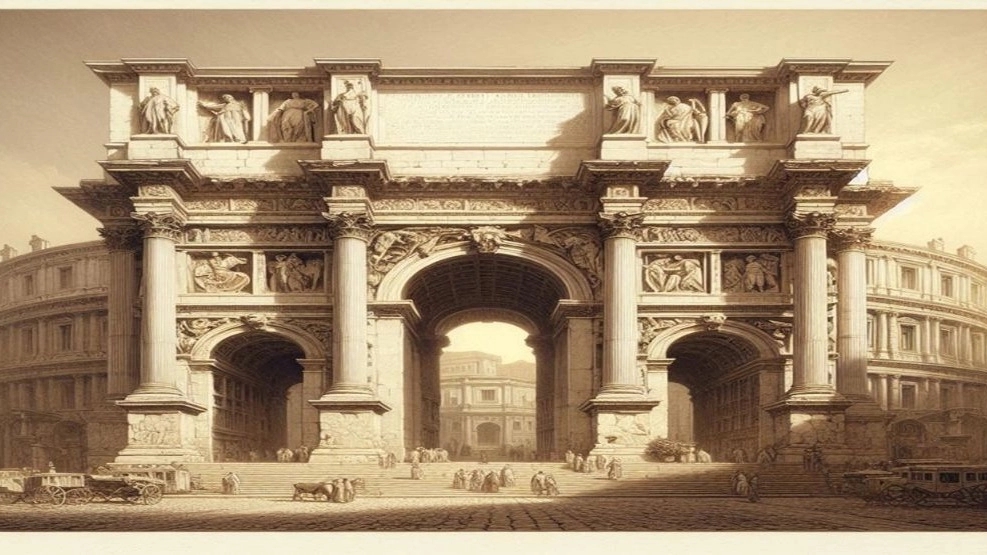
Classic Roman facade is a style inspired by ancient Roman architecture that gives the building a majestic and original look with columns, arches and symmetrical details. This style is still popular in today's architecture due to its precise and durable design.
Roman facade in Iran
The Roman facade in Iran is often used in residential buildings and villas, and due to the use of delicate details, it gives the building a luxurious appearance. One of the most popular examples is the single-story Roman facade, which is designed especially for villas and small houses. Keeping the originality of the Roman style and adapting it to the dimensions and needs of Iranian architecture, this type of facade is considered an attractive and practical option for modern houses.
Romance
Roman facade is one of the prominent styles of architecture that has its roots in ancient Roman architecture. This style has undergone changes and transformations over the centuries and has gradually become a popular and reliable style in world architecture. In this section, we will look at the history and evolution of this architectural style in order to have a better understanding of its emergence.
The Roman style, which was inspired by the architecture of ancient Rome, spread under the influence of Greek art and architecture in the 5th to 8th centuries and created a great change in this field. In the 9th century AD, with the rise of Rome, this style became popular throughout Europe and many important structures such as palaces and churches were built in the Roman style.
During the Renaissance, especially in the 15th century, architects turned their attention again to the ancient Roman style, and designs inspired by it gained popularity throughout Europe. In the 19th century, the use of Roman architectural features to design strong and magnificent structures increased, and this style was transferred to America and had a great impact there.
Roman facade index features
The most important feature that turns a facade into a Roman style is the type of geometric shapes used in its design. These geometric shapes create an outstanding and regular look with their special interaction and coordination.
The remarkable features of the Roman facade
The main features of the Roman facade compared to other facades of the building are:
The arches are designed as round and wide.
The facade walls of the building play the role of decorative columns.
Columns are executed in various Roman styles including Doric, Corinthian and Ionic.
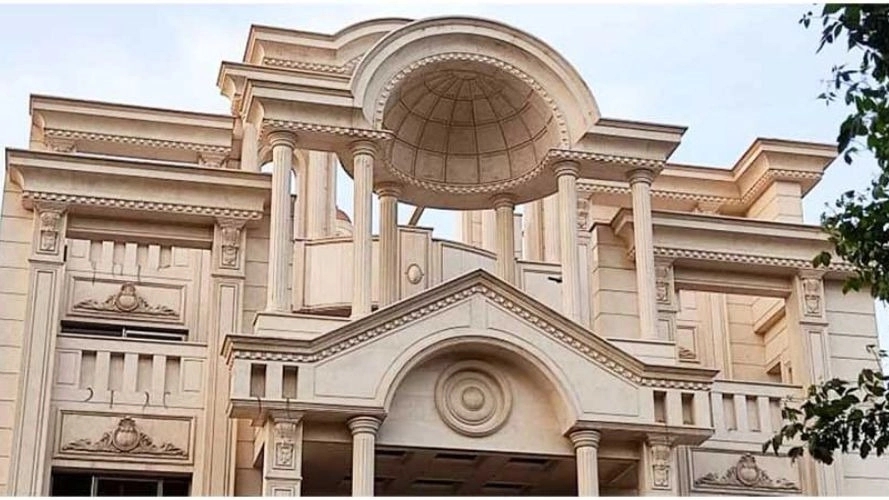
The most prominent Roman facade features
The combination of Iranian architecture with Roman and classic architecture
Architecture is the language of dialogue between cultures, and the combination of Iranian architecture with Roman and classical architecture is one of the best examples of this dialogue throughout history. This combination is a combination of ideas and has led to the creation of buildings with a special identity.
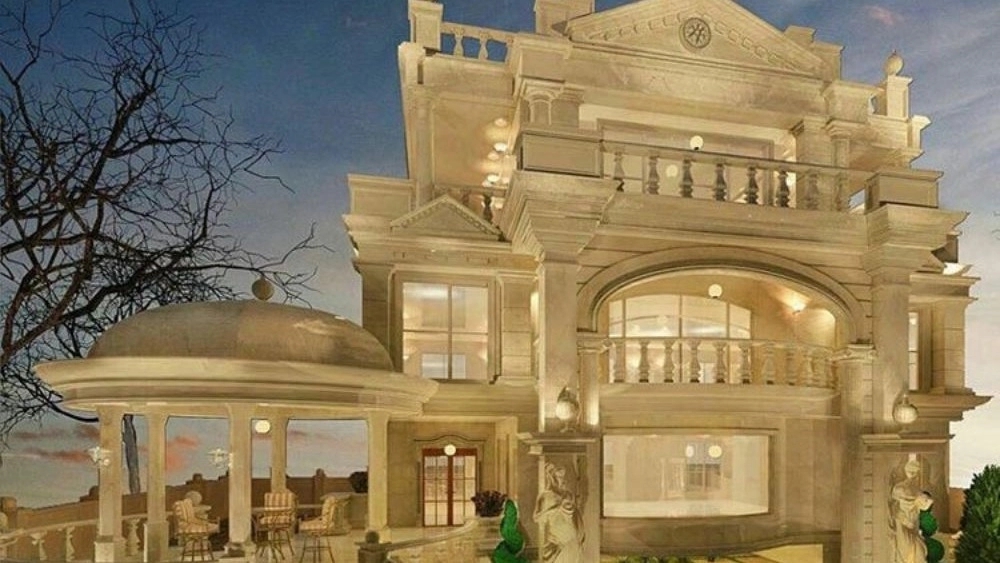
Highlights of Styles:
The material used in the Roman facade
In the process of implementing the Iranian Roman facade, luxury and high-quality materials are used, which make the facade of the building elegant and magnificent. Some of the most important materials used in this facade are:
Natural stones: In the Roman facade, stones such as travertine, marble and granite are widely used. These stones are very popular because of their beauty and high durability.
Use of white or light stones: In general, engineers tend to use white or light stones for the facade of the building to give a beautiful and eye-catching effect to the building.
Cement Roman facade: Due to the high costs of natural stones, some designers use white cement instead of stone to reduce costs. This type of facade is known as Roman cement facade, but it does not have the beauty and effect of natural stones.
Principles of Roman Mohammadi Facade Implementation
In the design of the Roman facade, it is essential to follow the design principles that add to these features and give it a special identity.
Compliance with proportion and balance: Maintaining the proportion between different elements in the Roman facade, such as the height of the columns, the width of the arches and the size of the decorations, is very important. This proportion creates harmony and visual beauty in the facade.
Choosing the right materials: Choosing high-quality materials that match the Roman style plays an important role in the durability and beauty of the facade. Natural stones such as travertine, marble, Natanz black granite, basalt and decorative plasters are among the common materials used in Roman facades.
Attention to details: Details are very important in the design of the Roman facade. Careful design and implementation of elements such as capitals, column bases, cornices and window frames gives the facade an original and magnificent appearance.
Choosing the right colors: Roman facade painting is usually done with light and neutral colors such as white, cream, gray and beige. These colors give the building a classic and luxurious look and are in harmony with other facade elements.
Proper lighting: Proper lighting can double the beauty of the Roman facade. The use of hidden lights, local lights and linear lights to highlight the columns, arches and decorations of the facade of the building creates a very attractive effect.
The principles of column design in the Roman view
Columns are one of the main components of the Roman facade and must be carefully designed to ensure both the beauty and strength of the building facade.
Columns can be designed in classical, Doric, Corinthian or Ionic styles.
Choosing the type of column should be done according to the application and scale of the building.
Columns should be in harmony with other facade elements such as doors, windows and arches.