What is upvc?
uPVC stands for Poly Vinyl Chloride unplasticised, which means hardened PVC. In other words, PVC that has lost its plastic state is called uPVC. In fact, in order to make PVC resistant to heat, light and oxidation with oxygen, some stabilizers are added to it. To increase the strength of PVC, fillers such as calcium carbonate are used. It can be said that uPVC has a higher strength than PVC, and that is why it is used in the construction of double-glazed doors and windows. The main ingredient of this type of profile is (Poly Vinyl Chloride PVC). This material, which makes up about 85% of the composition of the raw material of the uPVC profile, consists of the main derivatives of crude oil and sodium salt, which is produced during the polymerization process. Due to weather conditions and long durability, they have become one of the most popular options for residential and commercial buildings. By conserving energy, reducing heating and cooling costs, and increasing comfort and silence inside the building, these products are considered an economical and smart choice.
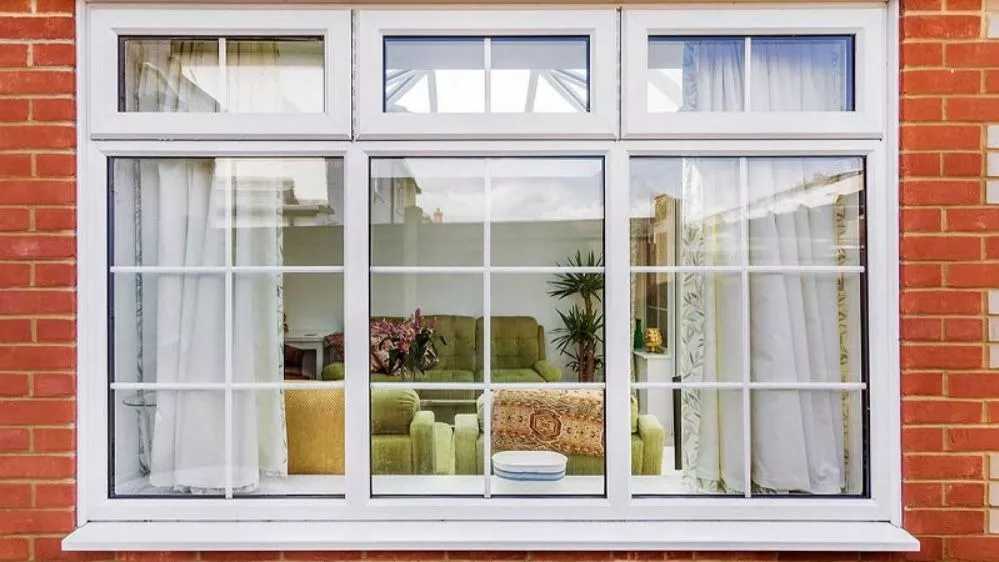
The door and window features of Eldora Vienna
It can be important for people who intend to build, renovate their building or buy UPVC doors and windows. Undoubtedly, doors and windows are among the main pillars of a building. In addition to the facade and beauty of a building, doors and windows also affect insulation, energy conservation and many other things that will be mentioned in the following article. UPVC (uPVC) in English is an abbreviation of the word Unplasticized Polyvinyl Chloride which means hardened polyvinyl chloride or in other words hardened PVC.
uPVC is considered a new generation of PVC because it has shown better resistance and quality over the years in terms of flammability, air cooling, longevity, colorability, color change and other things. Considering the different materials used in double-glazed doors and windows, it can be safely said that UPVC products are the best choice. The reason for this will be explained below. UPVC doors and windows are considered one of the best options for homes and commercial projects due to their unique features. Features of uPVC doors and windows include significant advantages that distinguish them from other types of doors and windows.
The most important benefits of UPVC double -glazed window,
Its thermal and sound insulation is unique. These types of windows effectively prevent the transfer of heat and cold, and as a result, they can help reduce energy costs in the cold and hot seasons of the year. Also, their sound insulation reduces ambient sound disturbances and creates more peace at home or at work. UPVC double-glazed doors and windows also have a very high resistance to moisture and weather conditions. This feature makes them an ideal option for areas with variable and humid climates. Due to the strong and resistant structure, these windows will not rust or rot in any way and always have an optimal performance. Long life and low maintenance are other prominent advantages of these products. Unlike aluminum windows, UPVC doors and windows do not need constant painting and maintenance and can be used for a long time. In addition, the variety of designs and colors makes these windows easily match any architectural and decoration style. . From classic to modern designs, there is always an option for every taste. Given these features, UPVC windows and doors are an affordable, durable and high-performance choice that can help improve your quality of life and reduce your energy costs. .
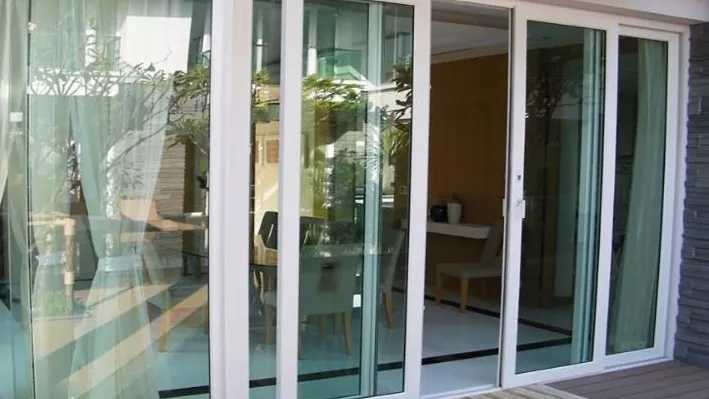
Comparison of PVC and Aluminum Window
UPVC double-glazed windows and doors and aluminum double-glazed windows and doors are both good insulators for sound and heat, but aluminum is more resistant to weather changes and corrosion. UPVC is popular due to its light weight and ease of installation. Aluminum has more flexibility in design and coloring and can be customized in many ways, while UPVC offers more limited options for appearance variation due to the structure and nature of its material.
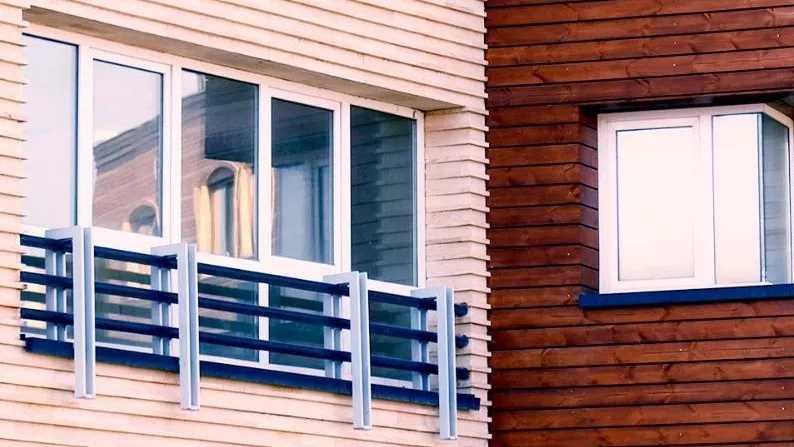
UPVC Double Window Profile
In order to produce uPVC double-glazed windows and doors, the raw material must be converted into profiles with fixed longitudinal sections. For this purpose, the raw materials of the profile are mixed at the appropriate temperature by a mixer and then transferred to the tanks. After the materials are at the same temperature as the environment, they are transferred to the extruder, and along the way, the material passes through the spiral gears at a certain temperature, and a dough without voids is produced. Under high pressure and at a temperature of 200 degrees Celsius, this dough is released from the mold placed at the end of the extruder and thus the desired profile structure is formed. After the formation and exit of the material from the machine, the cooling stage and then passing the profile through a cold water bath is done to stabilize the appearance of the profile. If the uPVC profile is rubberized, after connecting the tires, the corresponding label That manufacturer's brand is installed on the profile. After production, UPVC profiles are tested in terms of appearance, impact resistance, heat resistance, heat return, welding test, etc. In the production process, a total of 120 elements and additives are added to achieve these special features of uPVC, and some of these additives are as follows.
UPVC profile compounds
Fillers: These materials affect the resistance, elasticity and shrinkage of the product.
Lubricants: They are used to facilitate the flow of materials in the mold during the extrusion operation and also to create a clear and polished surface in uPVC door and window profiles.
Stabilizers: Additive stabilizers are divided into two categories:
Thermal stabilizers: Thermal stabilizers increase the resistance of door and window profiles against heat and temperature.
Color stabilizers: Color stabilizers prevent unwanted color changes from ultraviolet (UV) rays.
Impact modifiers: increases the impact resistance of the profile and makes it more flexible.
Titanium Dioxide: adding this substance causes the reflection of ultraviolet rays and also adjusts the transparency of the color of the profile.
In the production process of uPVC, special methods are used to strengthen its insulation properties. For example, forming a profile in the form of several containers increases its resistance to heat and sound transmission.
The benefits of upvc's doors and window systems
Using uPVC double-glazed doors and windows due to insulation reduces energy consumption to provide heating and cooling requirements of the building. Insulation of uPVC double-glazed windows and doors reduces noise pollution by one-eighth (about 33-43 dB) in the interior. uPVC double-glazed windows and doors reduce the penetration of dust into the interior due to having rubber seals with a special design. Sealing rubbers, grooves and rainwater drainage valves inside uPVC double-glazed doors and windows prevent rainwater from entering inside. UPVC doors and windows do not require painting and frequent services. High quality UPVC double-glazed windows and doors do not change color or shape against the sun's rays. uPVC double-glazed doors and windows have good durability and strength and are suitable for long-term applications. One of the notable features of UPVC windows is their non-flammability. UPVC double-glazed windows and doors are highly resistant to decay, rust and oxidation. In the production of uPVC double-glazed doors and windows, it is possible to install various fittings and ensure the security of the environment. It is possible to install multi-glazed windows in UPVC doors and windows. uPVC material is lead-free and environmentally friendly. Due to its malleability, UPVC material does not limit the production of all types of doors and windows. Due to its flexibility, UPVC does not have any limitations for the production of double-glazed doors and windows. It is possible to paint UPVC profiles.