
The difference between natural gas and liquid gas
Natural gas
Natural gas or methane is the lightest hydrocarbon on earth and is formed from the remains of plants and animals whose corpses were pushed to the bottom of old lakes and oceans over millions of years and gradually decomposed and turned into organic elements. due to the internal heat of the earth, it has been converted into oil and gas and accumulated in underground reservoirs at a depth of three to four thousand meters and with a pressure of several hundred atmospheres. Natural gas is mainly a mixture of Methane, ethane and some heavier gases such as propane and butane. Natural gas extracted from reservoirs usually contains impurities such as hydrogen sulfide, carbon dioxide, and sulfur compounds. which needs to be purified and processed in refinery complexes before being transferred to consumption sources. Natural gas is used in electricity generation, heat generation, transportation, air conditioning and refrigerators.
Liquid gas in Tabagaz Hadizadeh
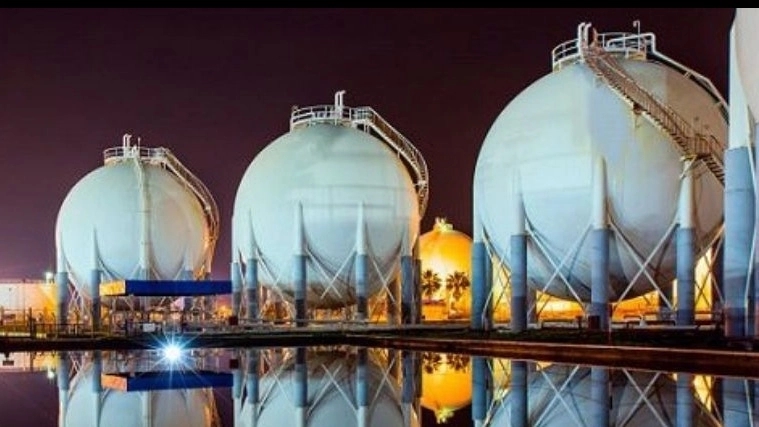
Liquid gas or LPG in the refinery is a byproduct of natural gas refining and crude oil refining. Two hydrocarbon gases are called butane and propane or their combination, which are kept in liquid state. Usually, small amounts of compounds such as propylene and butylene are also present in liquid gas. One of the characteristics of liquefied gas is its odor, color and taste. In general, LPG gas is not harmful to people, but if a person inhales a large amount of liquid gas, he will become unconscious. For this reason and in order to know the leakage of LPG gas, a series of compounds containing sulfur known as mercaptan including "ethyl mercaptan" and "methyl mercaptan" are added to the gas.
Natural gas applications
Natural gas is used in electricity generation, heat generation, transportation, air conditioning and refrigerators.
Applications of liquid gas in Hadizadeh Tabagaz
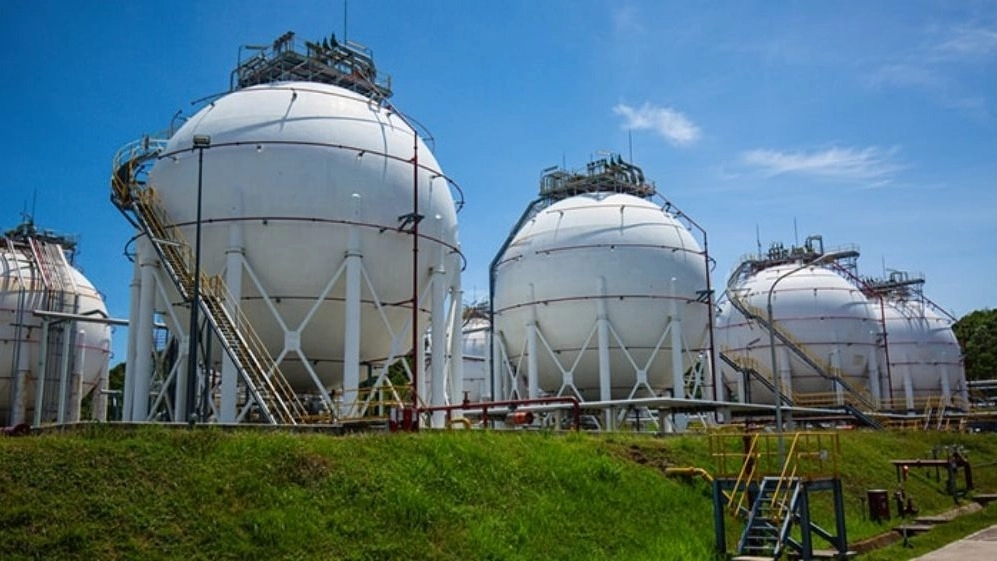
Liquefied gas is used in homes for heating devices and supplying gas stoves. Among its industrial uses are: metal cutting, production of agricultural products, use in special industrial furnaces, formation of petrochemical raw material, production of plastic and synthetic rubber, production of synthetic and pharmaceutical fibers, industrial and commercial kitchens, production of explosives , referred to as the second fuel of cars.
Difference in the thermal value of natural and liquid gas
The thermal value of natural gas
On average, each cubic meter of natural gas has a calorific value of 8600 kcal. This amount varies depending on the composition of natural gas. As the percentage of methane increases, the calorific value of natural gas decreases. In standard conditions, the value of one cubic meter of natural gas is almost equal to one liter of gasoline or one liter of kerosene. In other words, the energy content of natural gas is 38.7 megajoules per cubic meter.
The thermal value of liquid gas
The calorific value of liquid gas (LPG) is about 12,000 kilocalories per kilogram. LPG has an energy content of 93.2 megajoules per cubic meter.
Difference in the chemicals of natural and liquid gas
The chemicals of natural gas
Methane (CH4), which is the simplest type of hydrocarbon, makes up a significant amount of the chemical compounds of natural gas. In the chemical compounds of natural gas, there are more complex and heavier hydrocarbons such as ethane (C2H6), propane (C3H8) and butane ( C4H10) is also found. But methane is often considered to be the main part of the structure of this gas. Compounds such as H2S, CO2, and N2 are also found with natural gas, and their percentages are different in different tanks and even in different parts of the same tank. Extracted natural gas always has a certain amount of water, which is separated from natural gas in refineries and in the dehumidification unit, and then the gas is delivered to the transmission lines and finally to the consumers. Water and additional compounds lower the calorific value of gas and cause problems in gas transmission and consumption.
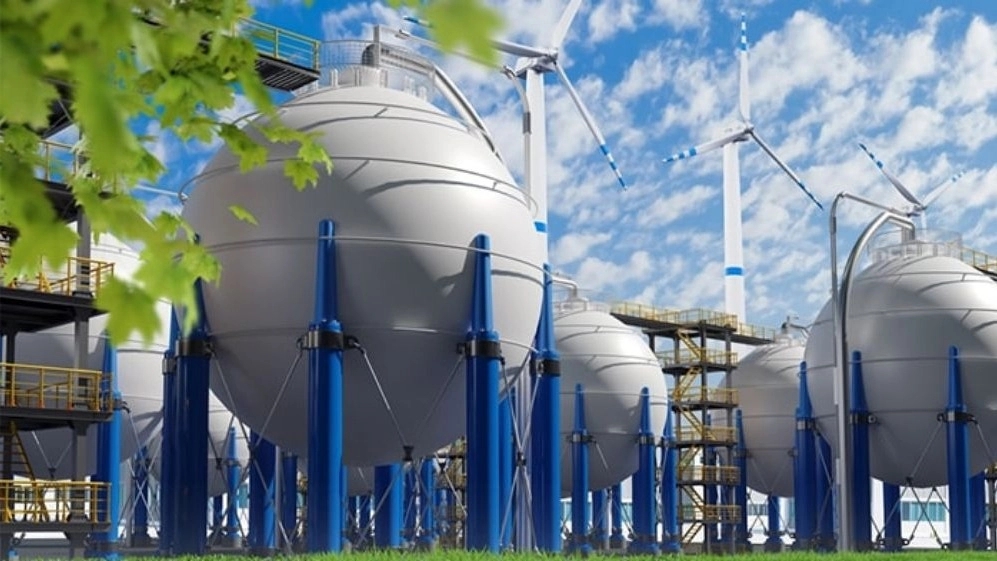
The chemical compounds of the liquefied liquefied LPG
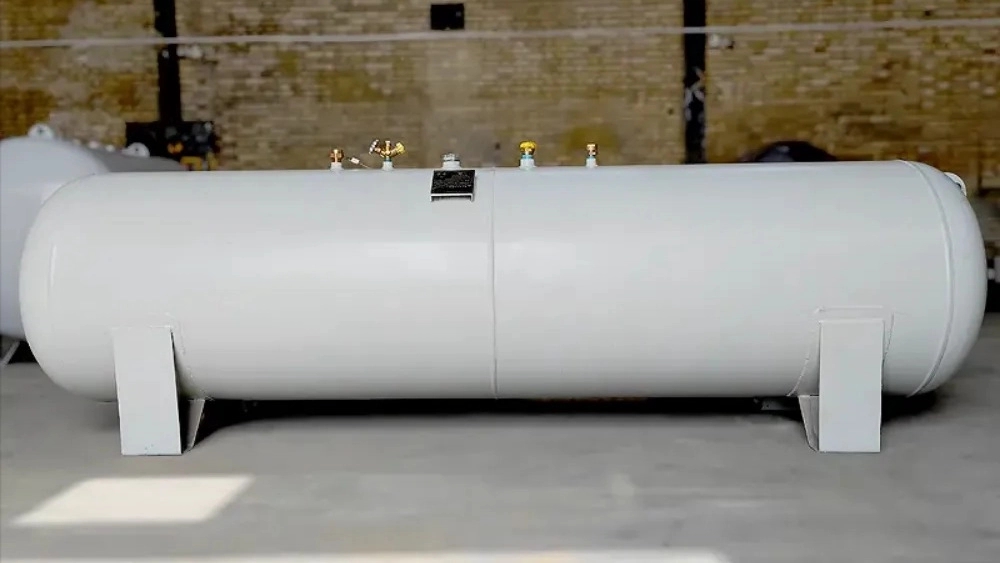
Chemical compositions are the most important difference between natural gas and liquid gas. LPG gas, in most cases and in general, consists of two hydrocarbon compounds of propane and butane with the chemical formula C4H10 and C3H8. Of course, the important point is that butane itself includes two compounds, isobutane and normal butane. The important point is that, normally and in some countries and regions of gas production, LPG is also known by the name of its main compound, i.e. propane. It is produced as a by-product of the refining and production processes of natural gas and crude oil refining.
Other differences include:
- LPG is not natural gas, but it comes from natural gas processing.
- Liquid gas for combustion requires more air than natural gas.
- LPG has higher energy content at 1.2mj/m3 against natural gas 1.2mj/m3 Natural gas operates with 1.2 kg.
- Liquid gas is distributed in bottles and gas tanks, but natural gas is transmitted and distributed through the pipeline.
- Natural gas was better than LPG pipes through pipes and produces slightly less gas when burning CO2 . Natural gas is lighter than air, but liquid gas is heavier than air.
- Liquid gas has higher energy content, portable and available everywhere and in many cases it is less expensive.
- The propane in liquid gas is heavier than the liquid gas. But natural gas is lighter than the air and disappears faster, which may be a safety advantage over LPG.