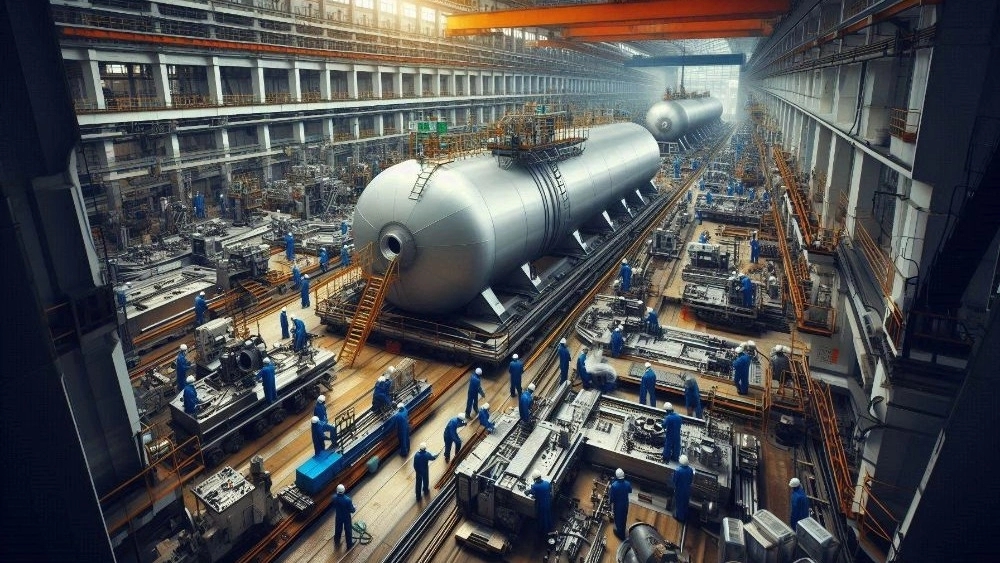
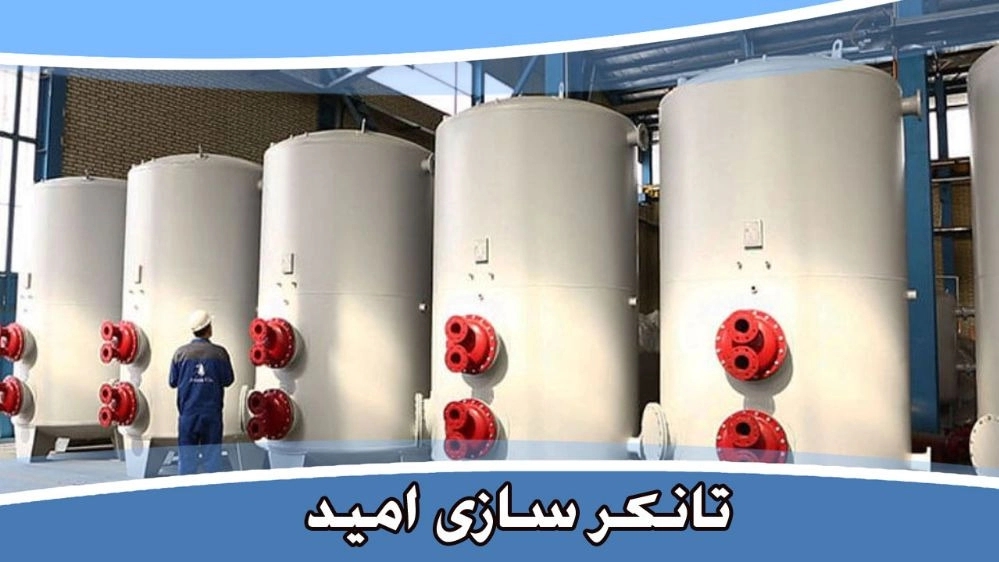
A water source is a container that is used to store water. According to the type of water stored in the tanks, it can be classified into two types of drinking water tanks and non-potable water tanks. A water tank is a device for maintaining and storing liquids such as brine water, ordinary water or chlorine solution. This device is used in many industries, such as water and sewage. To order a water tank and see the price of the water source, be sure to visit Omid Tanker.
The water tank is one of the traditional Iranian architectures, which shows the importance of water and its storage in ancient Iran. This structure is an underground water tank that was used to store drinking water in the summer season. The location of this tank at a depth lower than the ground surface caused it to cool down. In addition to reservoirs, other reservoirs such as ponds have been used by people for a long time. The ponds were open-air reservoirs, which were filled at regular intervals by urban irrigation canals. Unlike reservoir water, pond water was used for purposes such as toilet and washing. But today, different tanks are used to store water, each of which is used to store a specific type of water. Water tanks were originally produced using stone, wood or clay. But today, for the construction of water tanks, various raw materials are used, including metal, polymer, and concrete tanks. These tanks are used to store water and are produced in two ways: prefabricated and on-site.
What is a tanker or storage tanks?
Tank has an Indian root, but it has become popular in English, and both of them are Arabic words, which means storage in Persian. Bottles and wooden barrels in which drinks are stored or large clay jars in which food is stored are also a type of tank. The largest tanks are ocean-going tankers that carry large quantities of materials (capacity up to 160,000 tons, equal to 160 million liters of water, equivalent to one day's water consumption of a large city) in the heart of huge oil tankers. The big silos that are used to store wheat are also one of the types of tanks that are often made of concrete.
Tankers or storage tanks are essential components that are widely used in various industries for the safe and efficient storage of many materials, including liquids, gases, and solids, and are made in tanker workshops. Mainly found in sectors such as oil and gas, chemical processing, water treatment and agriculture, these reservoirs play an important role in maintaining the continuity of industrial operations. Tankers are large containers designed to hold materials under specific conditions (atmospheric pressure, under controlled temperature, or in specific chemical environments) to ensure that these materials are available in sufficient quantity and, when needed, of the required quality. are preserved.
Key tasks of storage tanks
Storage and protection
Tankers provide a way to store large volumes of materials so that they are available when needed. They also reduce losses that may occur through evaporation or spillage. These storage tanks enable efficient inventory management and support a steady supply of materials for ongoing operations without shortages.
Combination and mixing
Some tankers or tanks are designed to mix or combine different liquids or gases to create specific formulations.
Shipment
Tankers or portable storage tanks are used to transport liquids or gases in short distances. Wheeled tanker and car tanker are examples of types of tankers for transporting liquids.
Safety and adaptation
Proper storage of hazardous materials helps to comply with safety laws and regulations and protect the environment. Tankers can protect these liquids well without causing leakage.
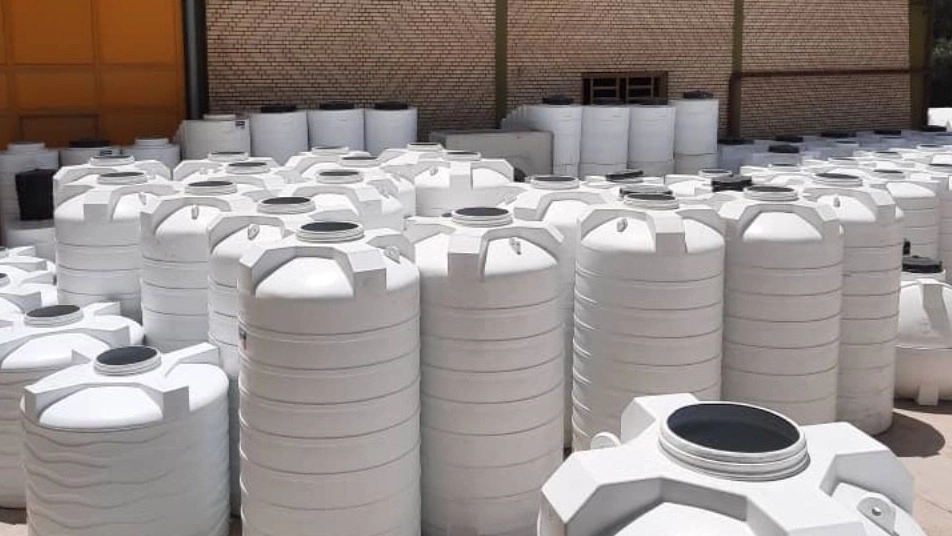
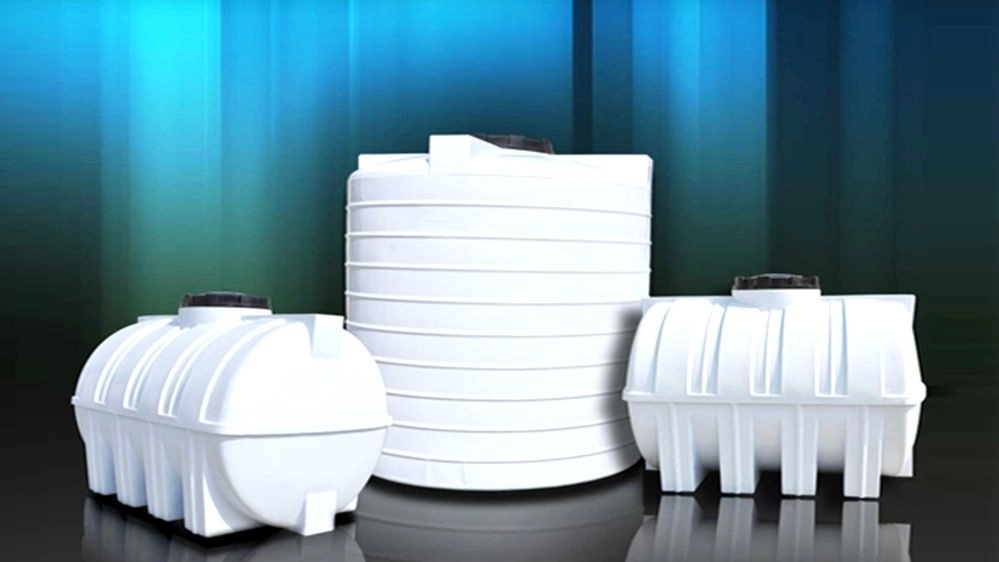
The benefits of polyethylene tanks
One of the advantages of the polyethylene tank is the storage and management of water consumption. Having more control over water consumption and worrying about the wastage of drinking water is a problem in many different parts of the world today; These tanks, in addition to being a solution for drought and reducing rainfall, have different features and properties that make them a suitable alternative to metal tankers.
High strength and resistance (against corrosion, rust, and strong impacts) Long life Easy installation It has antibacterial and anti-pollution properties Resistant to sunlight (with anti-UV properties) Storage of all kinds of liquids Lower price than metal tanks It has different geometric shapes and designs Has a variety of sizes (small to large sizes) Has different number of layers (single layer, three layer and four layer) Has health approvals and standard mark
Use of storage tank
To store raw materials To download and play the product A scale for measuring materials