
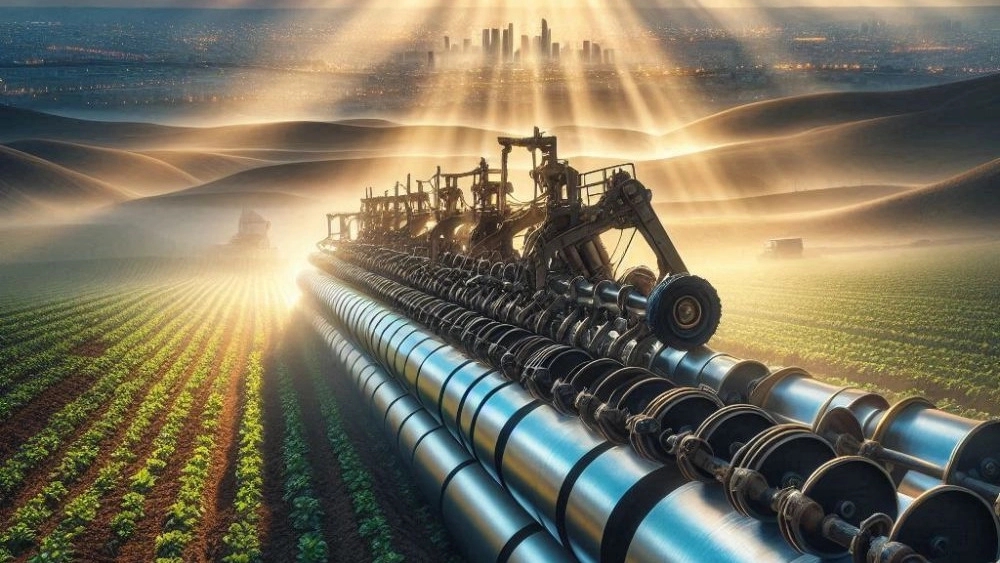
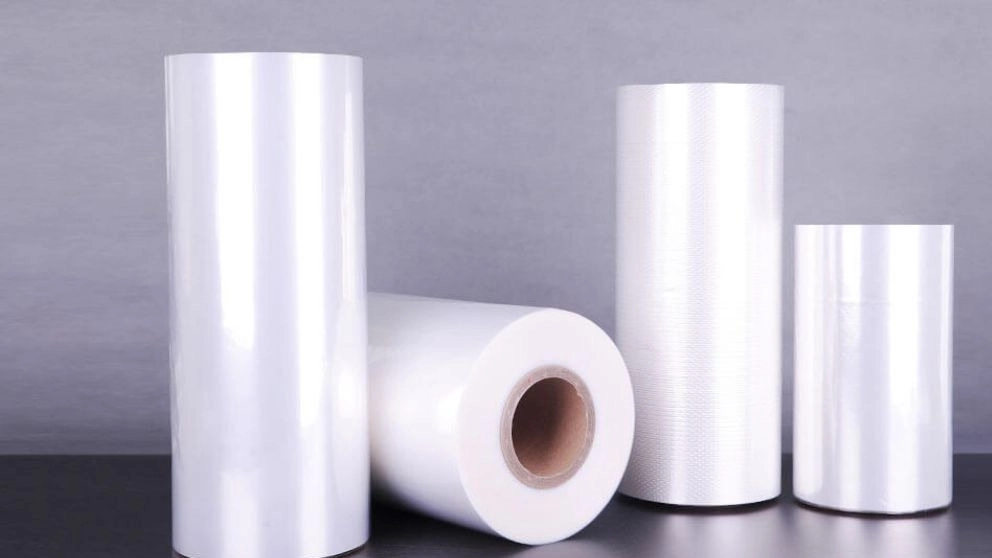
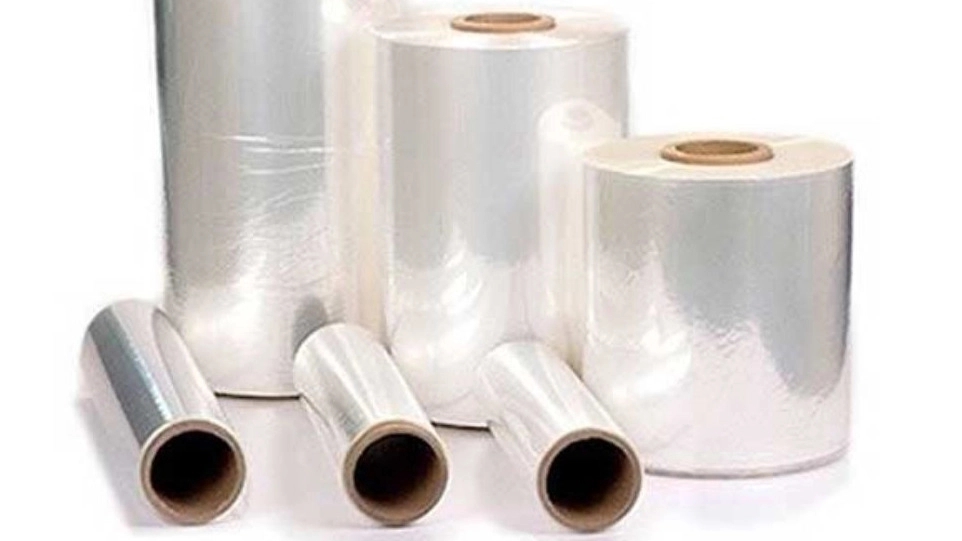
Drip irrigation consists of dripping water on the soil at a very low speed (20-20 liters per hour) from a system of plastic pipes with a small diameter and equipped with an outlet known as a dripper. Using irrigation nylon has many benefits for water management. In other words, using drip irrigation plastic, water is stored in plastic containers to prevent its leakage and distribution through drip irrigation systems. Types of irrigation nylons with high and low densities, in all sizes and thicknesses and with different quality ratings, are available for agricultural use. For many farmers, it is very important that the agricultural irrigation nylon roll is produced in a degradable way and creates less pollution in the agricultural land and the environment in general. Irrigation nylons are mostly ordered in transparent or matte black colors.
benefits of using irrigation nylon
Irrigation nylon in agriculture can be known as a type of agricultural nylon. Irrigation plastic saves time and effort during the life cycle of the plant. A grower spends less time watering their crops and removing unwanted weeds. Among the advantages of putting plastic cover on plants, the following can be mentioned:
The role of nylon irrigation at soil temperature
Using irrigation nylon changes the temperature of the soil. Dark plastics absorb more sunlight and make the soil fertile earlier. White plastic effectively reduces the heat from the sun and then the temperature of the soil. This drop in temperature may help plants grow in mid-summer, which may need cooler soil.
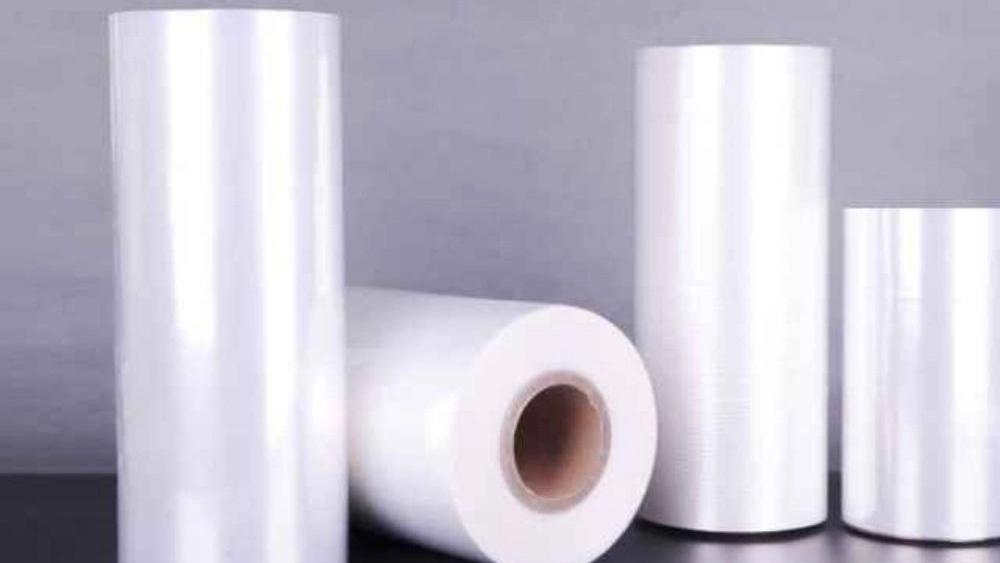
soil moisture retention with the help of irrigation nylon
Irrigation plastic reduces the amount of water lost from the soil due to evaporation. This means that less water will be needed for irrigation. Also, irrigation plastics help to evenly distribute moisture to the soil, and this reduces plant stress.
Weed Management
Irrigation nylon blocks sunlight from reaching the soil directly, and this can control most annual and perennial weeds. Clear plastics prevent weeds from growing. The holes in the irrigation nylons are the only way for weeds to grow.
Reduce fertilizer wash
Using drip irrigation plastic allows you to reduce the leaching of fertilizers. Drip irrigation introduces a smaller amount of water to the fertilizer, and therefore these fertilizers enter the root zone in the necessary amount. This method also reduces the use of fertilizer.
Improvement of product quality
Irrigation plastic prevents the fruits from coming out of the soil. This low contact with the soil reduces the decay of the fruit and also keeps the fruit and vegetables clean. This advantage is useful, for example, for the production of strawberries.
Reducing root damage using irrigation nylon
The use of plastic reduces the growth of weeds around the plant, and there is no need to cultivate, except between the rows of plastic; Therefore, root damage associated with cultivation is eliminated. According to these factors, the use of plastic can improve the overall growth of the plant.
importance of using irrigation nylon in agriculture
For many farmers, it is very important that drip irrigation nylon is produced in a degradable form, which reduces the pollution of the environment and the agricultural land itself. Due to the type of use of this type of nylon, it is not recommended to use first grade and quality raw materials. But there are some people who use high-quality irrigation nylons and excellent first-class materials and prioritize quality in their work. Irrigation nylon is considered one of the agricultural nylons and has wide application and benefits in agriculture for farmers. The use and benefits of nylon in agriculture is a broad topic that has positive effects on many agricultural products and is important for farmers.
What are the benefits of using drip irrigation nylon?
Drip irrigation nylon as an agricultural nylon has a great effect on saving water consumption and also saving time. By using this nylon, farmers no longer need to waste a lot of time irrigating crops or rooting weeds. The advantages of nylon drip irrigation include the following.
• Change Soil Temperature
One of the most important advantages of nylon drip irrigation is the change in soil temperature. Due to the fact that dark-colored plastics absorb more light, they increase the temperature of the soil and cause premature fertilization. On the other hand, white nylons are effective in reducing soil temperature and do not absorb sunlight. Therefore, farmers use clear drip irrigation nylon in the summer season, when some crops require lower temperatures, and dark drip irrigation nylon for crops that are grown in the cold seasons of the year.
Today, many farmers attach great importance to the degradability of drip irrigation nylons. By using this type of nylon, they intend to reduce the pollution of agricultural land and the environment. For the production of this product, first grade biodegradable raw materials are used in the manufacturing factories. Considering the many benefits of this nylon in agriculture, it can be used to manage water consumption in agriculture. In addition to the agricultural industry, irrigation nylon is also used in the construction industry to increase the strength of concrete. When buying this product, farmers should always buy from companies that are sure of the quality of the products and the use of first-class raw materials.