

Mixer track history
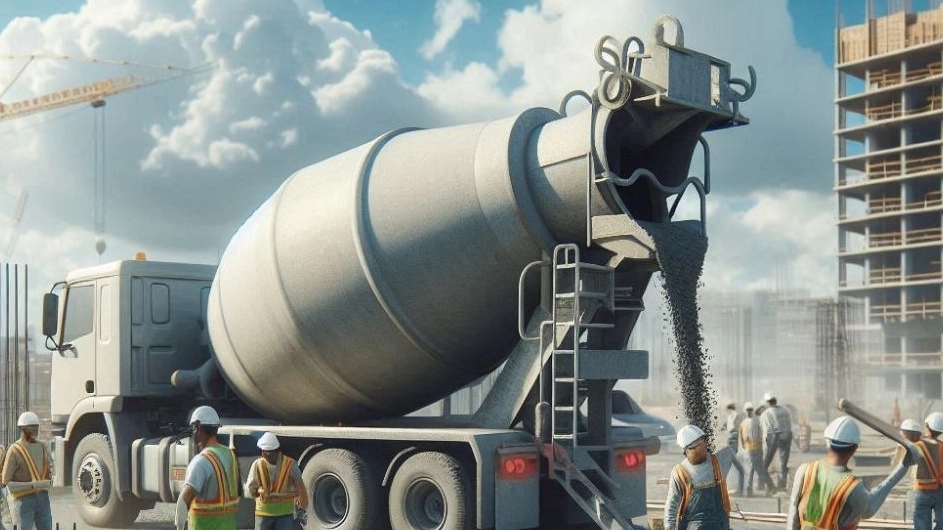
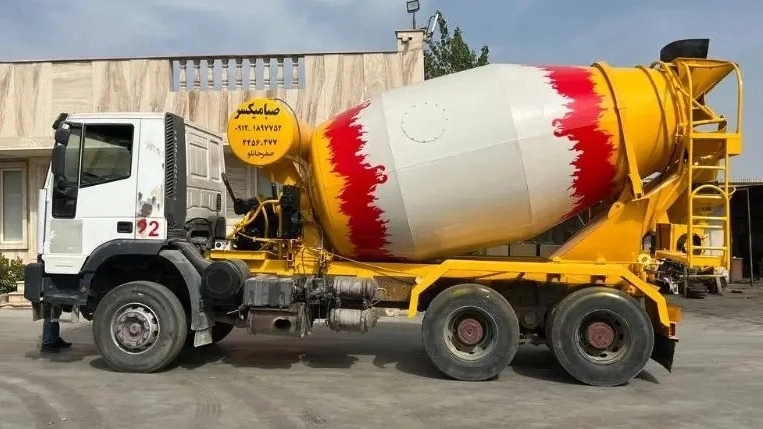
The design of complex machinery as we know it today has evolved over many years. This is certainly true for the concrete truck. The first concrete mixer named "Maltar Mixer" was registered on February 9, 1904 by Richard Budlander from Breslau, Germany. The front axle and wagon wheels were replaced by a large drum with paddles inside, and as the vehicle moved along the road, the rotation of the drum along the ground caused the concrete to be mixed.
A portable mixer invented by Alva Handsel. , was patented on January 12, 1909. This mixer used a hexagonal drum but not a drum that rolled along the floor. A coal-fired boiler connected to a piston pump fed the mixer, which had a gear to drive a chain drive.
What is a Mixer Track?
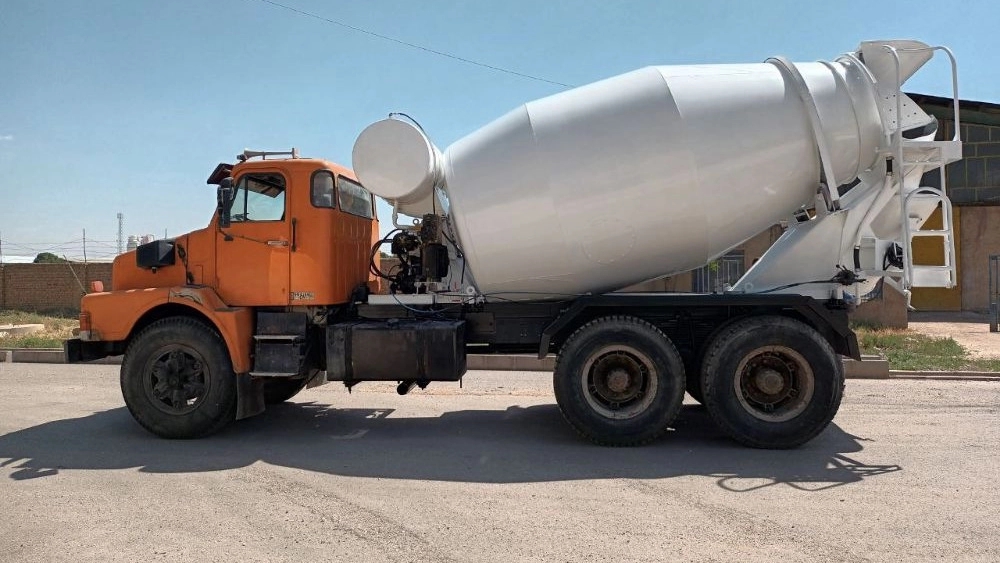
Concrete mixer is a device that is used to mix water, cement and aggregate (sand) to make fresh concrete. The most important types of concrete mixers are continuous mixer (large scale) and batch mixer (small to medium scale). Continuous mixers perform all operations of mixing and removing fresh concrete continuously. On the other hand, batch mixers are used for mixing and pouring concrete in a measured manner (batch by batch).
What is the use of concrete mixer truck?
The truck mixer is used in any project that requires preparation and transfer of concrete. This device is widely used for transporting ready-mixed concrete in urban and remote projects. In most large concrete projects such as dam and bridge construction, the concrete required by the established batching plant and systems such as cranes and buckets, concrete pumps and pipes, conveyors and other concrete transfer methods are provided. However, in these projects, the mixer truck can also be used to transport concrete to different places in the workshop.
Processes associated with tracks of mixers
Loading: A spiral blade is embedded inside the body of the concrete pot. Rotating in one direction causes concrete or raw materials to move to the bottom of the pot. When transporting the concrete to the workshop, the rotation takes place in the same direction.
Mixing: The continuous rotation of the pot during the transfer of the mixture prevents the concrete from setting quickly.
Discharge: rotating in the opposite direction of loading, a structure causes the movement of concrete towards the outlet of the boiler. In this way, the movement of the mixture towards the shot allows the direct placement of concrete in the mold.
Mixer's main components
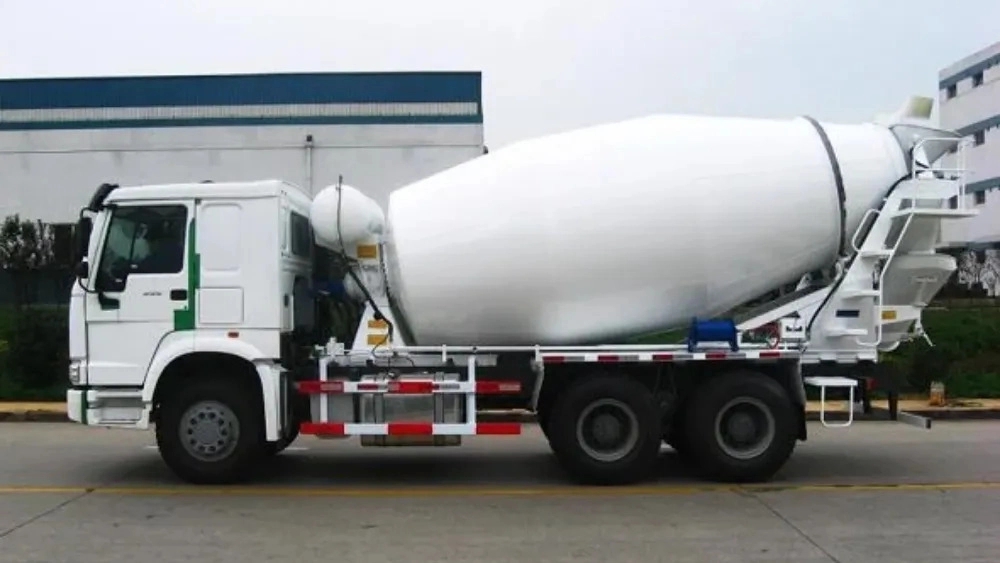
and pressure) and then the output is converted into mechanical energy (speed and torque) which provides the rotation power of the truck mixer. And it is a tank for storing concrete. The drum plays a decisive role in preventing concrete from freezing and separating. The inner part of the tank has blades that mainly play the role of stirring and directing materials. Discharge system: This system mainly consists of the main discharge cavity, auxiliary discharge cavity, locking rod and other formed The auxiliary discharge cavity can extend the length of the main discharge cavity. Braking system: Braking system is mainly composed of pressurized water tank, water gun, water pipe, valve and others. The main function of air pressure water supply is to wash the hopper after loading and unloading, wash the mixer drum and the discharge hole after unloading, and prevent concrete adhesion.
▪️Auxiliary frame: The sub-frame of the mixer is the main bearing part. The load during operation is almost borne by it and then transferred to the chassis. The subframe also reduces impact and impact load. The whole sub frame is composed of main beam, front support frame and back frame. Manipulation system: Manipulation system includes controller, connecting axis, flexible shaft and connecting rod mechanism, which is mainly It controls the speed and direction of the mixer drum.
▪️Bracket system: The rear part of the mixer tank is connected with the sub-frame, which mainly supports the drum body.
▪️Feeding system: It mainly consists of feeding funnel and bracket. Due to the impact wear of the feeding hopper, the material must have good wear resistance. The bracket mainly reduces the impact force.
▪️Electrical system: This system refers to the whole electric mixer including the rear light, side marker light, gallery lamp, cooling fan and motor. p>