

Jacks act as cabin movement arms in hydraulic elevators. These parts are installed unilaterally in hydraulic lifts; Because their movement is vertical and from top to bottom or vice versa. The jacks are in the shape of a solid cylinder whose outer wall is smooth and polished by performing a special process. The jacks are placed inside the hydraulic cylinder and are moved by pistons. These parts are directly and indirectly connected to the cabin from the bottom and sides. In elevators with a lower capacity, one jack is usually used, and in systems with a higher capacity, two jacks are used in double form. The method of opening the jacks is one-step or multi-step.
Jack features in hydraulic elevators
Jacks in hydraulic elevators in any type and model that we have made below:
High Capacity: Jacks Hydraulic with a specific structure can easily move the elevator cab with heavy loads. In this case, the use of hydraulic elevators in industrial and workshop sectors can be very convenient.
High precision and control : Hydraulic jacks of high and low control of high and low control Bringing the cabin. This feature helps the cabin's precise and soft movement. Despite this feature, hydraulic jacks are suitable for sensitive applications.
High durability: These jacks are made of high quality materials that make their durability and high resistance to them. Fractures and exhaustion. This feature guarantees their continuous and reliable performance in the long run.
High Safety: Jacks are designed and manufactured in hydraulic elevators so that high safety Have. Functions such as overload protection, emergency valves to reduce pressure and lock mechanism make hydraulic jacks raise elevator safety.
All kinds of jacks in hydraulic lifts
Jack on the side
These types of jacks are made in such a way that they are connected to the sides of the cabin during installation. The jack on the side can be single or double. The way of connecting these jacks to the cabin is in two ways, direct and indirect, which we have mentioned below:
jack next to the direct line
one of the methods that The jack is connected to the cabin on the side, directly and without the interference of other parts. Implementing this type of method for installing jacks is simple and easy. But the problem of implementing this method is related to the difference between the course of the jack and the vertical space inside the well. In this way, the lack of vertical space inside the well causes us to face limitations for placing the jack. For this purpose, one of the ways to compensate for the lack of vertical space is to increase the height of the elevator or create a hole in the ground and under the jack. b
These types of jacks are connected to the cabin indirectly by using a tow bar and wire. As the jack goes up, the tension plate on the shaft rotates and pulls the towing wire. The towing wires are also connected to the cabin and their tension causes the cabin to rise. The opposite of this happens when the cabin is lowered. In elevators that use indirect jacks, the cabin moves twice as much as the jacks. That is, as much as the jacks are pulled, the cabin moves twice as much. In fact, the use of the tension sheet and steel towing wires makes the ratio of the movement of the jacks to the cabin to be one to two. This feature makes it necessary to implement the indirect method with jacks whose movement course is half the length of the cabin. In this case, by shortening the length of the jack, the limitation of the vertical space for placing the jack and the problems related to the creation of space and holes are solved. The jacks are not connected to the cabin in an indirect way and are only pulled up and down next to it.
Jack below
Jack's method below is one of the methods that can be attached to the elevator cabin. In this method, the hydraulic jack is attached directly from the cabin. The best situation that Jack can connect to the cab is the center of the jack that makes the jack perform better at and down the cabin. To install these jacks, it is necessary to dig a hole with a proper height inside the ground. The height of this hole should be proportional to the length of the jack. In this cavity, the cylinder is located and should not collide with the walls and floor of the cavity at all. It should also not penetrate water or corrosive material through the walls and foam. In order to this purpose, insulating materials should be used to cover the walls and floor of the cavity.
double jack
In some cases due to the high capacity of the elevator Use double jack for up and down the elevator. These jacks are of the side type and cannot be attached to the cabin from below. Double jacks are used directly and indirectly. The installation and location of these jacks is also done according to the conditions and type of building use as well as the elevator designer's opinion. In lifts that have double jack next to and indirectly, it is essential to use a pair of guides to guide each of the jacks in their path. In these elevators, because the jacks are attached to the tensile bell, the Parachot brake must be installed in order to further safety.
Reverse Jack
Reverse Jacks of the Force They use stretching. These jacks are piston -type and a specific duct is used for oil. In elevators working with reverse jacks, a specific type of balance is installed. In these systems the jacks move in reverse; The cabin moves down when they are drawn up and vice versa.
Elevator Paurionate Components
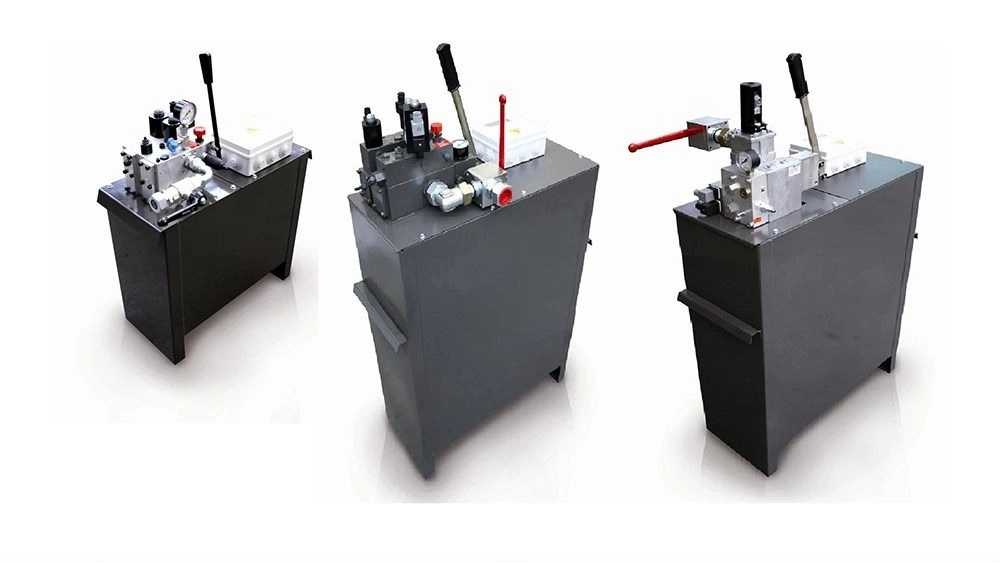
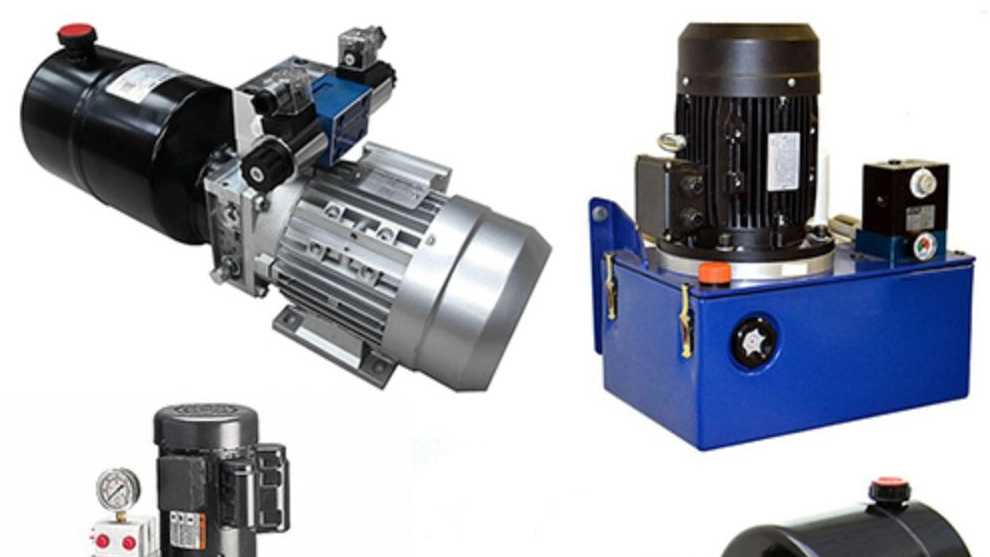
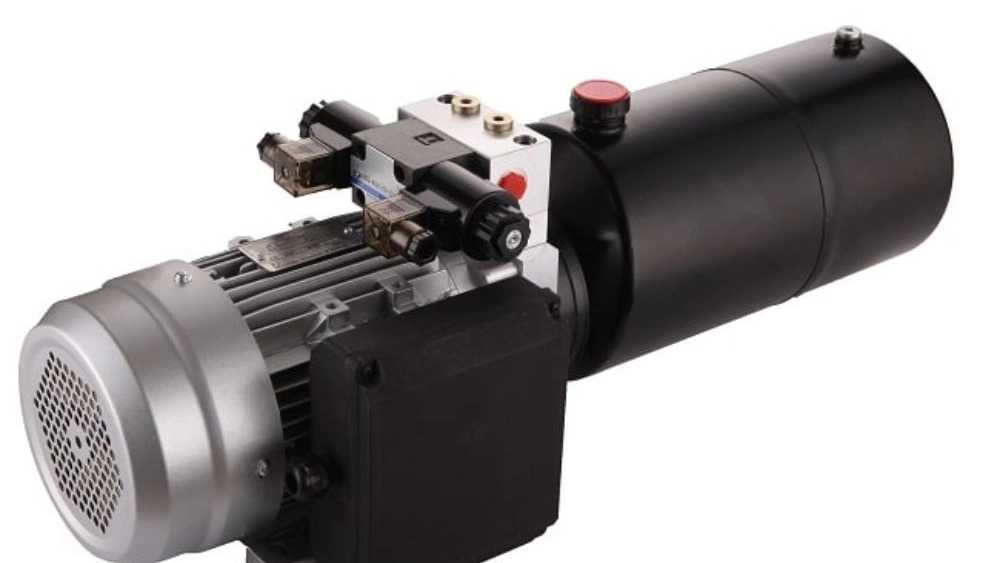
Paurionate components are divided into two types of main and supportive. The main equipment includes electromotors, control valves and hydraulic pumps. Support equipment can also include a power box, an oil tank, noise or silsense, hoses, oil filters, back lock valves, anti -tremor buffers, tank valves, oil heater, fittings and more. Below is the basic equipment of Paurionate for further familiarity.
Electromotor
Electromotors in hydraulic elevators in two dry and dried models (inside the oil ) Produced. Dry engines are mounted on the oil tank. These types of engines are not high in large elevators and are not economically viable. But in small size lifts, these engines are used for some systems. Are more suitable for hydraulic elevators; This type of electromotors is specifically designed and manufactured for hydraulic elevators. Have no shell engines; They also have small dimensions and low weight and can usually work at high speeds.
Hydraulic pump
hydraulic pumps divided into two types of screws and gear Become. Paurionitis mainly uses screw models. Screw pumps have low pressure when working. They also produce less noise than gear models. In addition, the quiet and uniform output current in these hydraulic pumps has made it a good option for use in hydraulic lifts. One of the important features of hydraulic pumps is their flow rate, which is directly related to the motor rotation speed
Control valve
The role of the valve control valve in the elevator Hydraulic is very important. These valves are manufactured in two types of mechanical and electrical. Mechanical models work with the help of sulenoid. The electric valves also gradually open and closed. In general, electrical valves have better quality and performance than mechanical models. These valves, of course, are more expensive than mechanical models. The control valve performance causes the elevator to move up and down. These valves are capable of controlling the elevator with their capabilities.