

Training of tailoring courses in the good -step sewing school
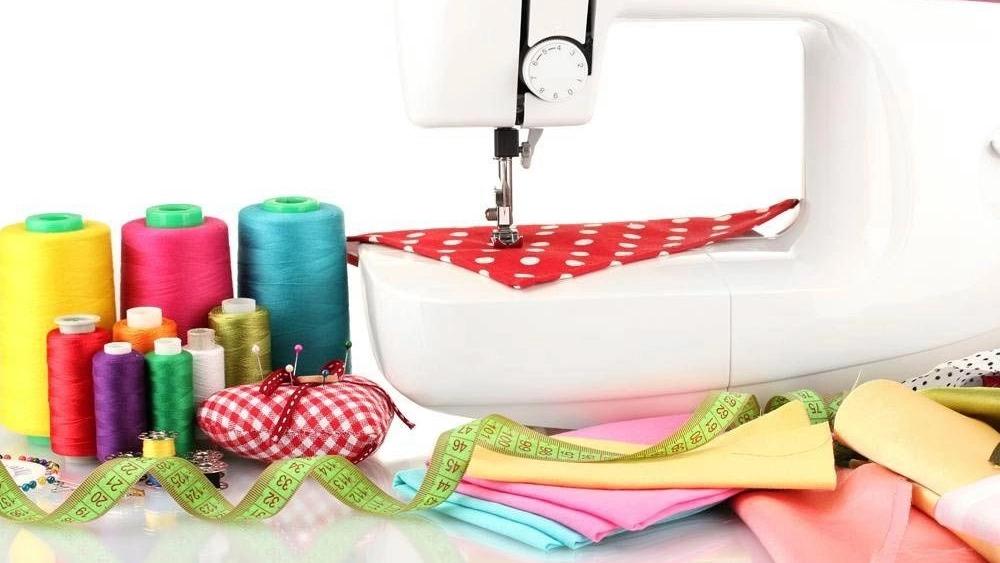
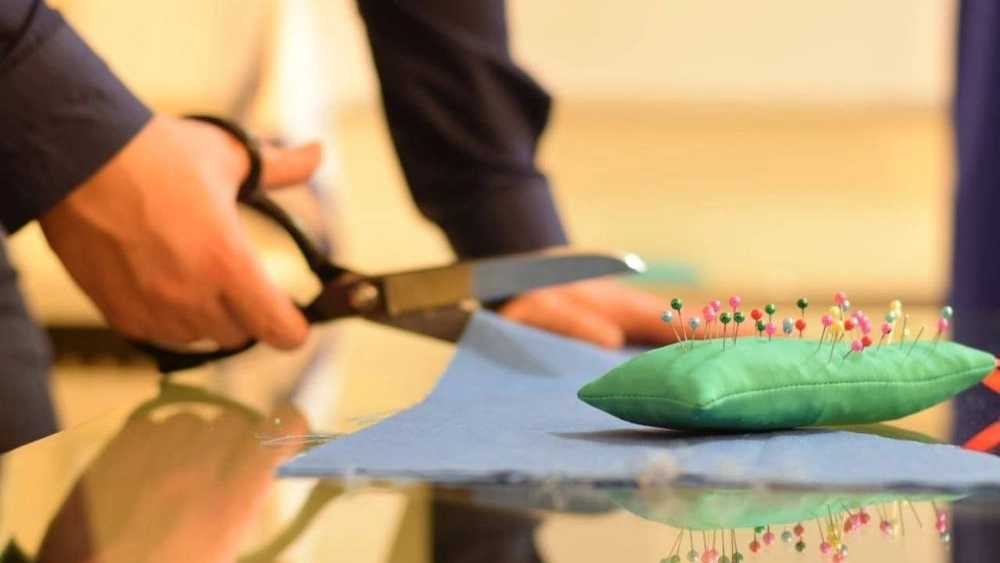
Sewing is one of the popular handicrafts in which clothes, curtains, sheets and other items are sewn using fabric and sewing tools. This art has been popular among Iranians for a long time and still has many fans today. If you are also interested in learning sewing, you can participate in various sewing courses. There are different types of sewing courses, each of which teaches specific sewing skills.
Types of sewing periods based on the type of clothing
sewing courses can be categorized by the type of dress in which it is taught. Accordingly, the types of sewing courses are:
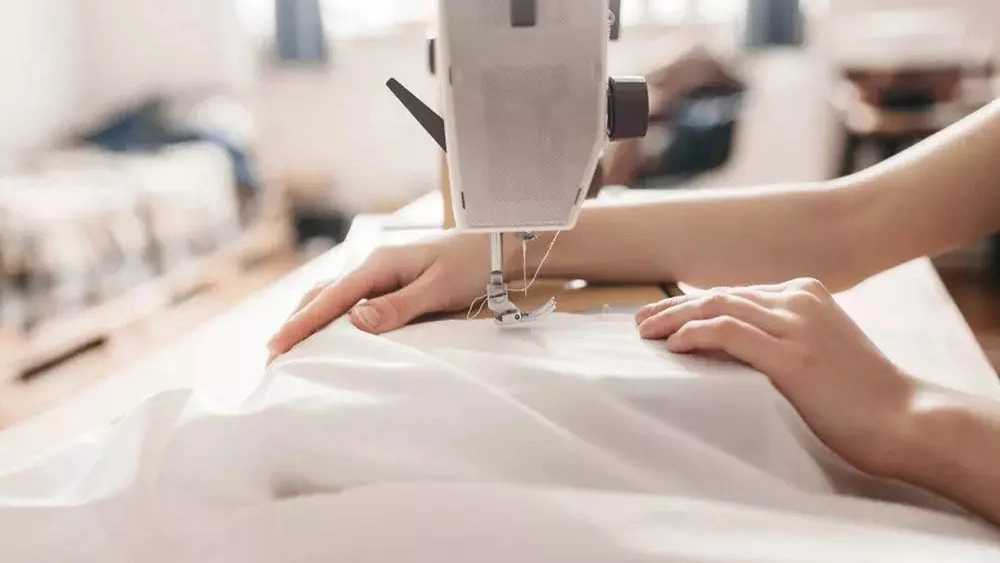
Thickery
thin embroidery and thick embroidery are two types of sewing that differ from each other depending on the fabric. In thin embroidery, thin fabrics and fine sewing are used. In contrast, in thick embroidery, thick fabrics and sturdy and durable sewing are used. In tailoring, the sewing of the clothes is divided into two main categories: thin embroidery and thick embroidery:
Thin embroidered
Thin embroidery refers to the sewing of clothes that are sewn from thin fabrics such as cotton, satin, silk, silk, etc. This type of sewing is usually used to sew women's clothes such as shirts, coats, skirts, etc. In thin embroidery, fine and delicate stitches are used due to the thinness of the fabric. Also, in this type of sewing, thin needles and fine threads are used.
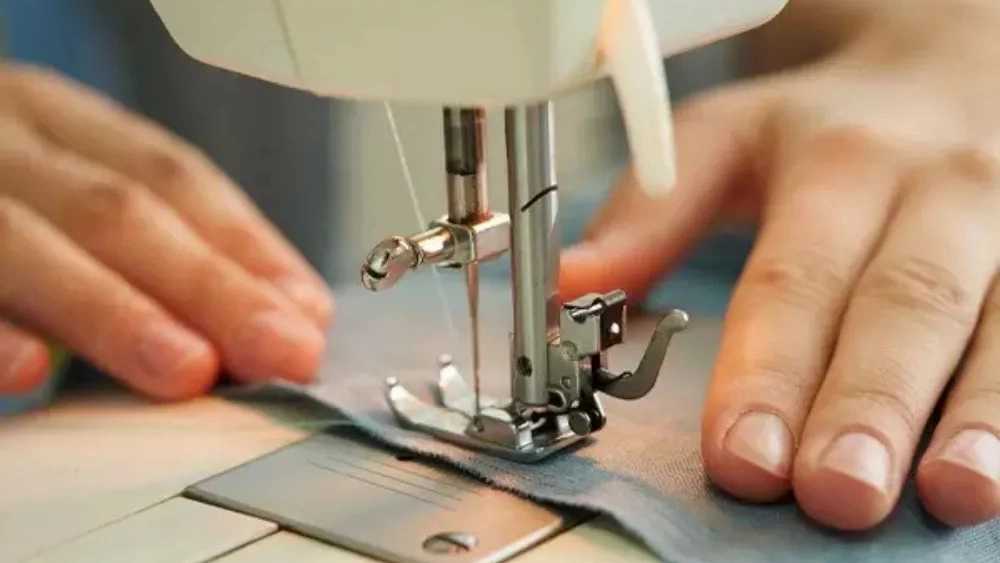
Thick embroidery
thick embroidery is called sewing clothes that are sewn from thick fabrics such as jeans, wool, leather, and so on. This type of sewing is commonly used for sewing men's clothes such as coats, coats, pants, and more. In thick embroidery, because of the thickness of the fabric, sturdy and durable sewing is used. Also, in this type of sewing, thick needles and solid yarns are used.
The difference between thin embroidery and thick embroidery
The main difference between thin embroidery and thick embroidery is in the fabric used in it. Thin fabrics are delicate and delicate and require fine and delicate stitches. On the other hand, thick fabrics are strong and resistant and require strong and resistant stitches. In addition to the fabric, the tools and equipment used in thin embroidery and thick embroidery are also different. In thin embroidery, thin needles and delicate threads are used. On the other hand, in thick embroidery, thick needles and strong threads are used.
Types of sewing courses based on the skill level
Furthermore, tailoring courses can also be categorized based on the skill level taught to the student. Based on this, the types of sewing courses are:
Introductory sewing courses: These courses are suitable for students who have no experience in sewing. In these courses, the basic concepts of sewing such as how to work with a sewing machine, types of fabrics and patterns, etc. are taught.
Advanced Sewing Courses: These courses are suitable for students who have a sewing experience. In these courses, advanced sewing skills such as sewing dresses, bridal clothing and more are taught.
Shared sewing headlines
Regardless of garment type and skill level, some topics are common to all sewing courses. These headings are:
The advantages of sewing training courses
Sewing training courses are a great opportunity to learn sewing and sewing skills. By attending these courses, you can acquire the skills you need to sew your favorite clothes. Here are some of the advantages of sewing training courses: