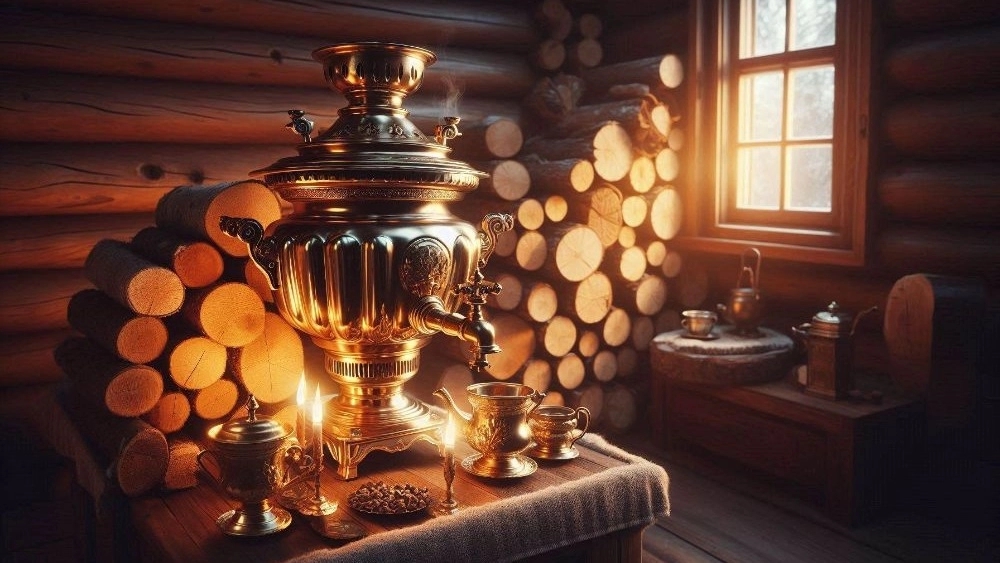
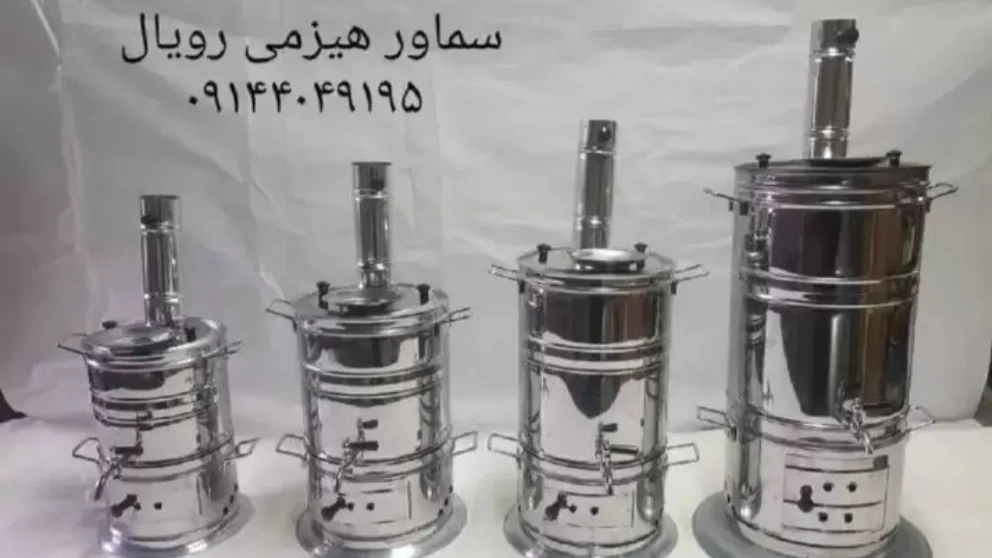
Charcoal samovar entered Iran from Russia during the reign of Shahrukh Shah, the grandson of Nadir Shah Afshar. In the old days, this type of samovar was an imported product that was only used in ceremonies and banquets of kings and nobles. Later, with the spread of tea as a delicious drink, its use became more popular and it reached Tehran and other cities, and noblemen used it. During the era of Amir Kabir, they started making charcoal samovar by his order. The first origin of its production in the old way was the city of Borujerd in Lorestan province. The production of this product made it possible for common people to use it. Common people used to call the charcoal samovar "brass bath".
Coaling samovar is used everywhere today because of its good quality and performance. It is easy to work with a charcoal samovar and if you use it once you will definitely be fascinated. This samovar is multilayered, so it is very durable to heat and humidity and does not decrease quality at all. To use this samovar, it was placed in the charcoal or wood to boil with the heat.
What is a charcoal samovar?
Charcoal samovar is one of the old and very beautiful handicrafts, which nowadays has more decorative applications in homes. Its components are made by two masters (samovar maker and casting).
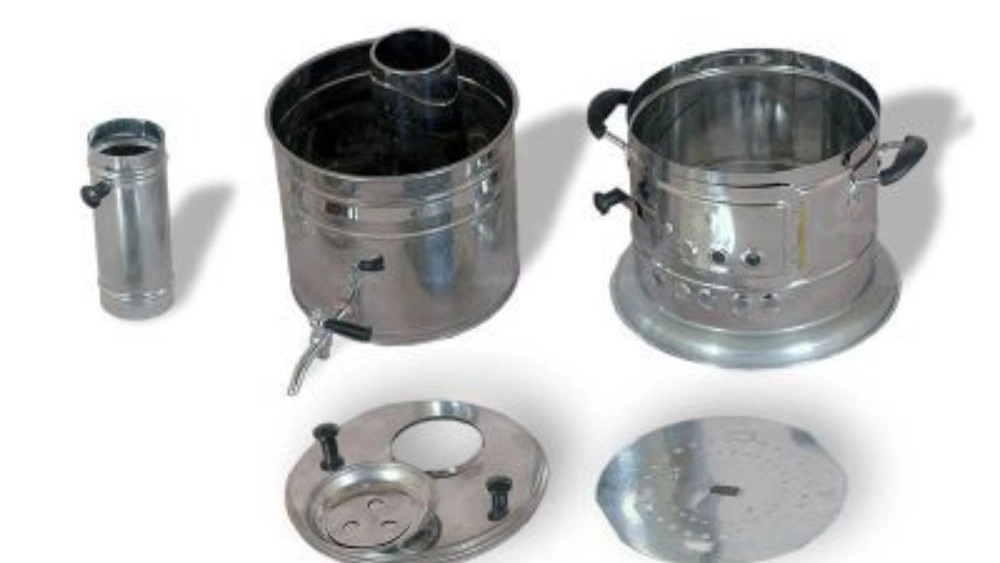
Introducing all samovar components
water tank Samavar door Chimney pipe The winding area Fire Existence of metal insole Heat insulation handle
The most important parts of charcoal samovar
Ka'b
The bases of the charcoal samovar are called Kaab. Kaab is an old name. For this reason, the bases of the samovar are called cube-shaped. These bases are known as one of the important components of this samovar. If these cubes are not made the size of each other, they will cause it to stand badly or even overturn. Samavar cubes are made by casting. Doing this is highly sensitive.
Ashes
is located at the top of the cube of the ashes. The ash is the place of charcoal. These charcoal become ashes after burning. By opening and closing the ashes, the extra ashes will be removed and the new coal opens. Ash also made by the castor.
Network
One of the other components of this type of samovar is the grid, which is located above the ashtray. The network prevents them from going out by supplying oxygen to the coals. This part of it is made by samovar maker.
Fire
This is a part of the charcoal samovar surrounded by the network and the oven above it. They also know it in the name of charcoal. This section is also made by the castor.
Tuna
Another part of samovar is charcoal, which is also known as hot samovar. The oven is a source that receives heat from coal. The heating of the oven causes the water inside the samovar to boil. The oven is also made by a samovar maker.
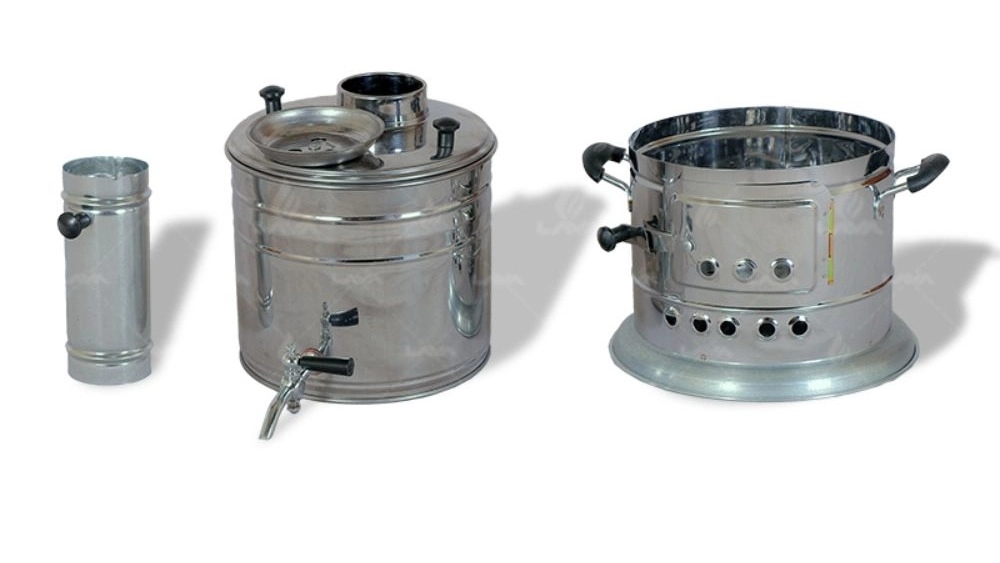
Body
The samovar body or trunk is also made by the samovar. This body is made in different shapes and designs. Based on the work on this body and the designs on the samovar trunk, the price increases or decreases.
Samovar milk
This part of the charcoal samovar is very small but important. The samovar milk must be well sealed to be effective. If the samovar valve breaks, it should be replaced, but it will not work as well as the first day. Samavar milk is also made by casting. For better preservation of samovar milk, for example, we should open it once a month and oil it so that it lasts longer.
Polki
is one of the small pieces in the charcoal samovar. Despite its small size, it provides both the strength of the milk and one of the aesthetic elements in the appearance of the electric samovar. This piece is also made by the castor.
In samovar
existence on the samovar both boils the water in the samovar tank faster and prevents the entry of dust or contamination into the samovar.
Tips for correct use of charcoal samovar
1) To illuminate and put charcoal into the charcoal samovar, we must be careful and carefully put the coal in the charcoal samovar fire. Falling a piece of charcoal on home appliances may cause irreparable damage.
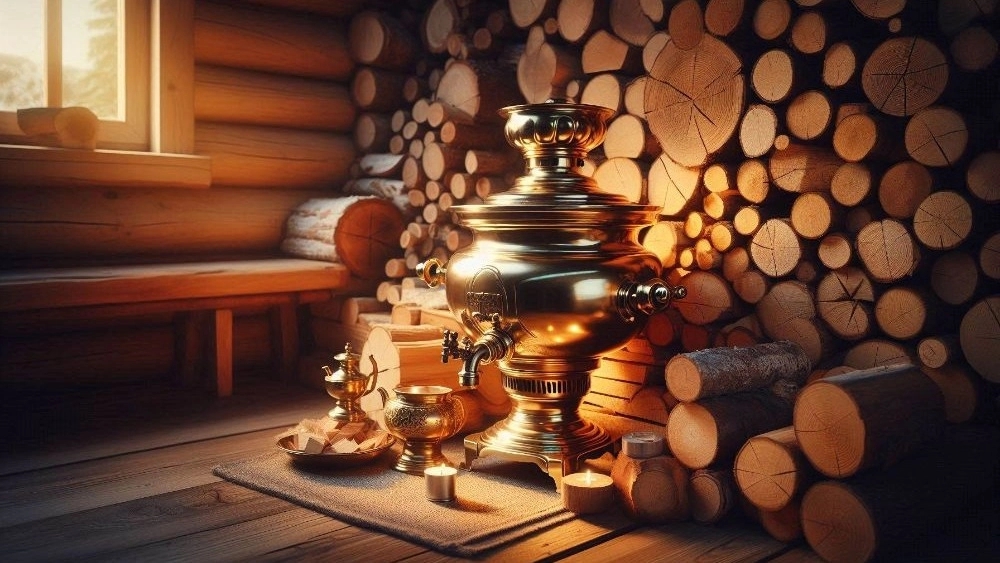
2) One of the ways to light the samovar charcoal is to use a lighter. When using these materials, you should be careful not to spill the water inside the samovar and not contaminate the water.
3) In order to prevent the samovar from breaking down quickly, you should pay attention to the fact that you regularly remove the coal ashes from the charcoal samovar in order to have a better performance.
4) When the charcoal samovar is on, be careful to put it in a solid place. The lack of smoothness on which the samovar is placed, especially when the teapot is on it and the height it builds, can be very dangerous. So you have to be sure of the smoothness of the surface on which the samovar is on.