
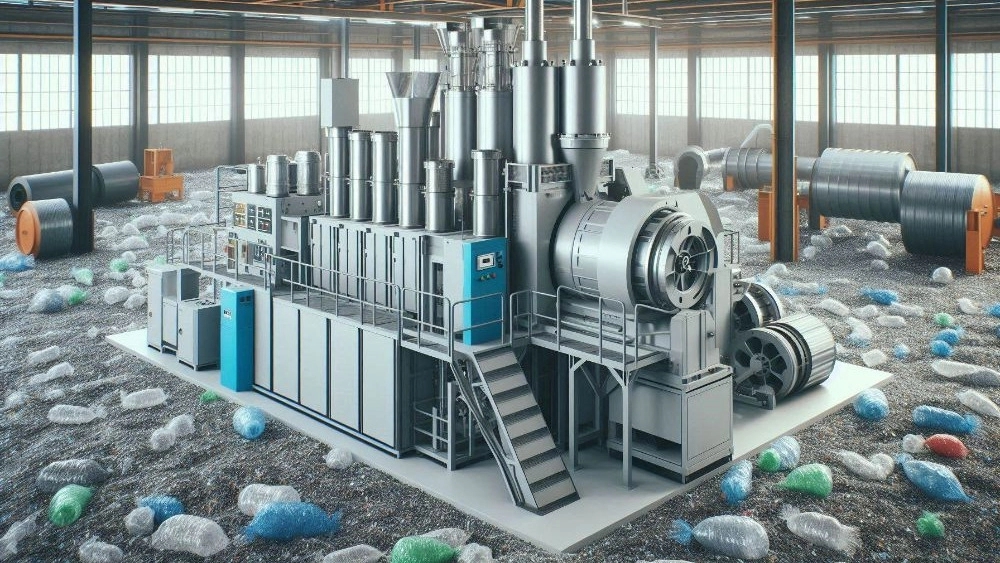
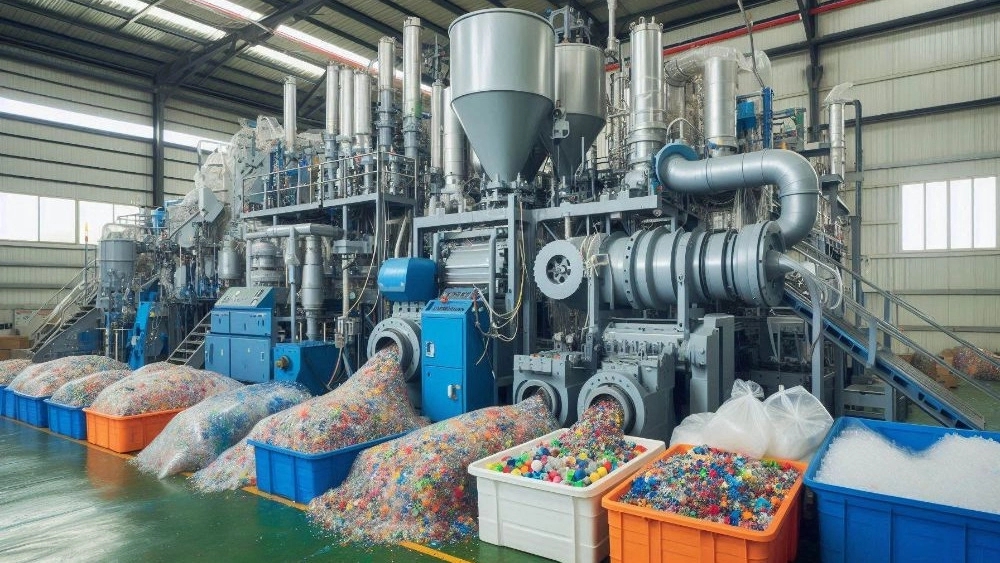
Pat stands for the word polyethylene terephthalate. It is a polyester made of two monomers called ethylene glycol and pure terephytalyic acid. Pat has been known as a polyester material for 5 years. The first pet was used as polyester fibers in the textile and food packaging industries.
is increasing day by day due to the economic benefits of pet bottles. The benefits of using pet bottles include transparency, flexibility, proper maintenance of gas and moisture in beverages, easy transport due to lightness, impact resistance, low energy consumption in its production and recyclable.
The negative effects of pet bottles are irreversible and increased wastewater and thus increase the volume of waste produced.
Pet Recycling Challenges
Polyethylene terephthalate contamination after consumption is the main cause of its physical and chemical properties during recycling. In general, due to fiber fractures and appearance aesthetic problems, it cannot be used for fiber or bottle applications. Minimizing contamination results in better recycling product quality.
Color contamination: colored bottles of colored bottles create adverse colors when recycling. Print ink labels can also change the color of polyethylene terephthalates in the washing process. Progress in sorting and washing techniques may reduce this color contamination in bottle recycling.
Metal interactions: , generally, recycled polyethylene of recycled amounts of remnants of remnants There are various metal catalysts that can be used for the production process, which promote translation and polygamy reactions, lead to chemical heterogeneity of polyethylene terephthale; As a result, it will affect the physical properties of this substance, including viscosity.
Viscussia is one of the most important parameters affecting the process of forming the product.
Types of Pet Recycling Methods:
Plastics are generally high -strength substances that react with acid, open and common chemicals. These materials are completely resistant to micro -organisms and are therefore not biodegradable. As a result, plastic waste is not possible with the operational processes of solid materials and usual liquids.
If plastic is burned in common ways, they produce toxic gases. So the appropriate collection and separation system is not used for plastic waste and recycling processes. It is essential with extensive uses due to its very good physical and chemical properties.
Pet is used in various fields such as fibers, membranes, films, drinks, film molding and packaging industries of radiographic films and video tapes. One of the most abundant types of pet waste is drink bottles, and recycling bottles of this polymer has become very important.
On the other hand, due to the increased biological consumption and non -biological consumption, the disposal of pet waste has raised serious environmental and economic concerns. ;; As a result, pet waste management has become a fundamental social issue. Given the increase in environmental awareness in the community, recycling remains a suitable option for the treatment of pet waste.
It is important to note that Pet recycling is one of the most successful examples of polymers recycling and a variety of mechanical, physical and chemical recycling for this polymer. Used.
Mechanical recycling
In fact, this method is a preparation process for physical and chemical recycling. Pet drink bottles have several types of ingredients. Paper, aluminum, plastic film and glue, all of which have to be separated before use, since pollutants are the biggest factor in reducing the physical and chemical properties of recycled pet during the process. The types of pollutants include:
Acid -producing pollutants
Color pollutants
Staldeide
Mechanical processes
Two methods have been developed at this stage of pet recycling. In the first method, the bottles are converted to small pieces and transferred to the process unit. High volume and speed to HDPE, aluminum, paper and residual are separated as adhesive.
In the second method, the entire bottlenecks are transferred to the process unit in the initial form, where the label and the base in a base The mechanical process separately and the PET part of the bottles are washed separately. The first method is that it requires less cost to transfer crushed bottles and provides the opportunity to establish high -volume process units, which reduces costs. In comparison, the second method has the goodness that each step is done with more precision and supervision to achieve more purity.
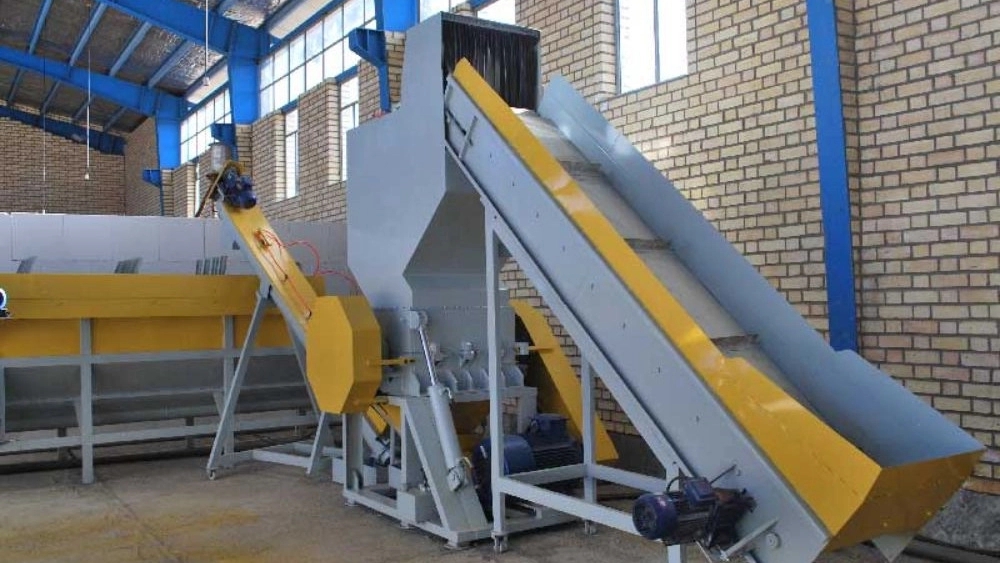
Separation after granules
Granules in addition to Pat may contain HDPE of the base cape, aluminum from the bottle's neck lid and rings, paper tags or plastic films (PP) adhesive to glue the label, and sometimes a PVC cover. The separation of all these pollutants is required in granules. In general, a multi -stage process is performed, including water or a suitable solvent, magnet steel separation, electrostatic aluminum separation, and floating method for separation of plastics that different density from PET It is.
Separation of PVC bottles
Recycled pet scales must be PVC -free because they will be problematic in later stages. For example, in the physical recycling process that requires high heat, this heat results in the destruction and decomposition of the residual PVC in the mixture, thereby reducing the properties and darkening of the components. They are used a lot in products containing carbonate drinks.
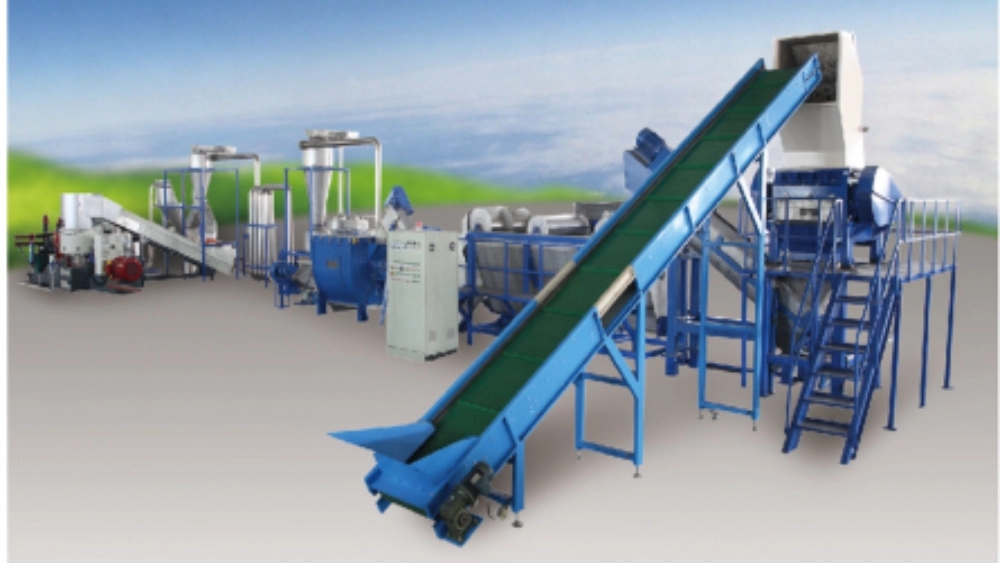
Wash granules
Granules must be washed to remove adhesives, dust, sweet juice and other remnants that can contaminate. The washing medium is usually hot water to dissolve the ethylene vinyl acetate (EVA) or other similar adhesives. At high temperatures, these adhesives are capable of producing acidic compounds that cause the molecule of the pet, so they need to be washed.
additives such as caustic soda, cleaners, emulsions, or other special materials are added to the washing water to add to washing water. Prevent EVA re -deposition on granules. Washing water is typically circulated to minimize products from water waste and chemicals. Nowadays, in a modern method, the fluid is used to remove surface and glue pollutants.
HDPE separation
HDPE cuts are separated from the PET by the density dispute method. A mixture of granules is poured into the water and placed in a floating tank. HDPE light granules are permanently floating on the liquid surface and the heavier pet granules are collected at the end of the tank.
Use solvents to remove pollutants
Pet waste may be contaminated with parts of the bottle made from other materials or materials that are accidentally imported into the recycling cycle. Bottles may also be contaminated with liquids and contents inside them, resulting in solvents to purify pet granules to solve and eliminate existing impurities.