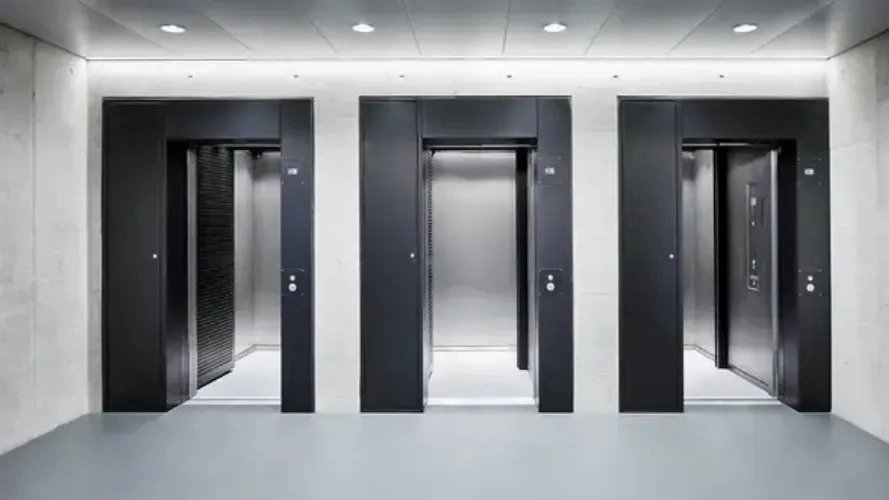
Elevator is a vital means of modern urban life that plays a key role in increasing the efficiency and comfort of life by facilitating the movement of people and repeatedly in multi -storey buildings. With the growth of urbanization and the increase in the number of skyscrapers, the importance and role of the elevators has increased dramatically. The first elevator examples return to ancient times, but their real development began in the 19th century with the advent of electric motors. Since then, elevator -related technologies have rapidly developed, and today, using smart systems and advanced innovations, elevators have not only been a means of moving, but also a symbol of modern technology and design. >
The main components of the elevators
elevators consist of complex components and coordination that contribute to the optimal and secure performance of the system. Each of these components play a key role in moving passengers and repeatedly. In this section, we will thoroughly examine the main elevator components and the vital role of each. Below we look at the main elevator components.
1- Engine and gearbox
The elevator engine is the heart of the system that provides the mechanical energy needed to move the cabin. This engine is generally a convenient power and speed electric motor that connects to a gearbox. The gearbox has the task of changing gear ratios to convert the motor speed to the right speed for the elevator. The correct choice of engine and gearbox has a direct impact on the efficiency, energy consumption and overall performance of the elevator. Today's advanced motors are equipped with new technologies such as Frequency Control (VFD) that allow precise adjustment of speed and improvement of energy consumption.
1- Simurel and Suspension System
towing wires are responsible for transporting the cabin and play an important role in the elevator suspension. These wires are usually made of highly resistant steel to withstand the weight of the cab and passengers. The suspension is designed to distribute the force on the cabin. In addition, the balance weight, which is usually on the opposite side of the cabin, helps reduce the power needed and reduce the wear and depreciation of the system. This system makes the elevator with minimal energy consumption and maximum safety.
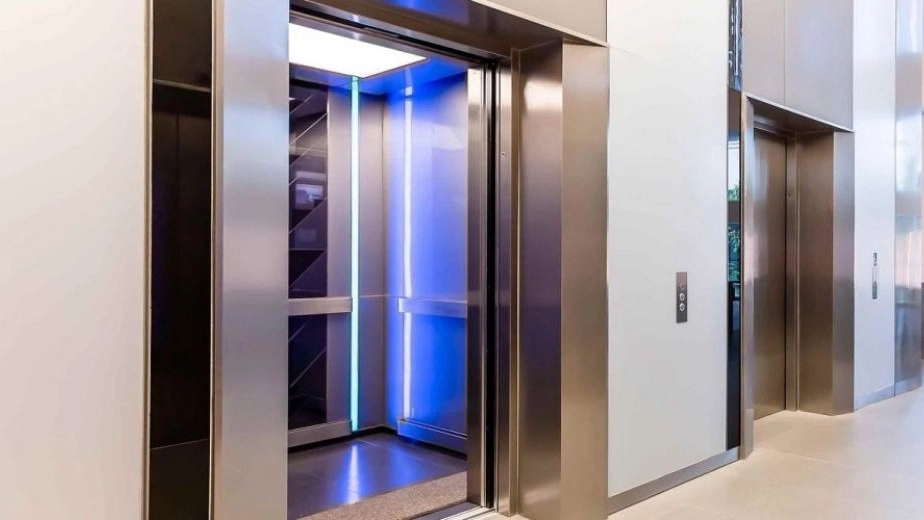
1- Cabinet and doors
Elevator cabin is part of the elevator where travelers are located and moved. The design and construction of the cabin should be such that in addition to the beauty and convenience, it also ensures the complete safety of passengers. The cabins are made of materials such as steel, aluminum, and glass, and are usually decorated with wood or steel coatings for more beauty. Cabinet doors and floors are also part of the elevator safety system that are divided into two categories of automatic and semi -automatic doors. These doors must be equipped with lock systems and safety sensors to prevent unauthorized opening and accidents.
1- Command and Control System
The steering wheel or elevator controller is the brain of the system that exports and controls all motor and safety commands. The system controls the cabin movement by receiving the steering wheel from the buttons inside the cabin and the floors and adjusts its speed and direction. The modern control system includes micro -processors and smart systems that provide capabilities such as traffic control, waiting time reduction, and energy consumption optimization. Also, these systems are usually equipped with emergency and safety systems that automatically take the necessary measures for passenger safety if there is a problem.
2- Balance weights and safety systems
Balance weight is one of the important components of the suspension that balances the weight of the cabin and passengers by being on the opposite side of the cabin. This weight reduces the energy needed to move the cabin and helps increase the useful life of the engine and other components. In addition to the balance weight, there are other safety systems such as emergency brakes, door sensors, and anti -crash systems in the elevator. These systems ensure that the elevator will be safely stopped in the event of any crash or accident and passengers will be discharged. Safety systems are one of the most important parts of the elevator design that must be carefully designed and installed using advanced technologies.