
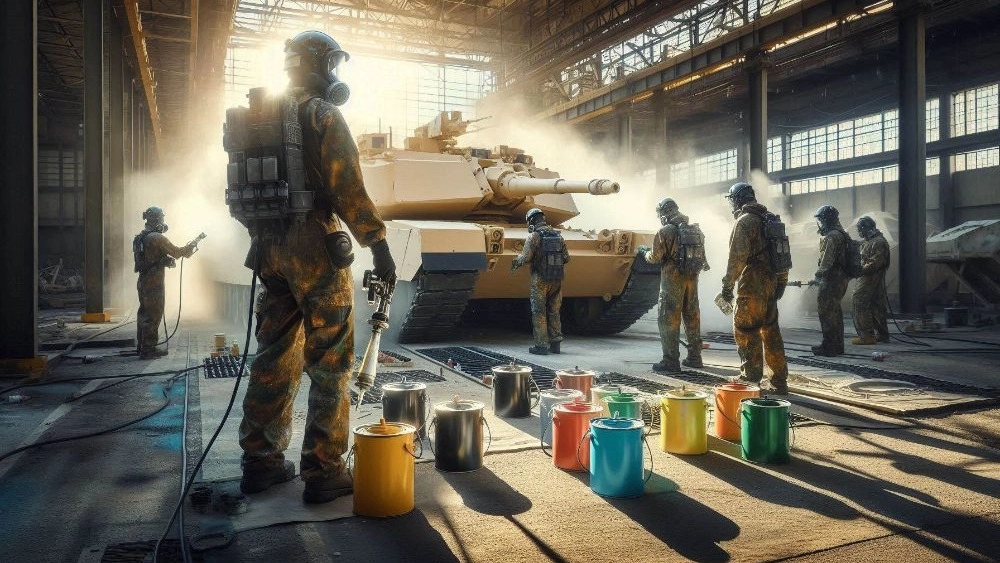
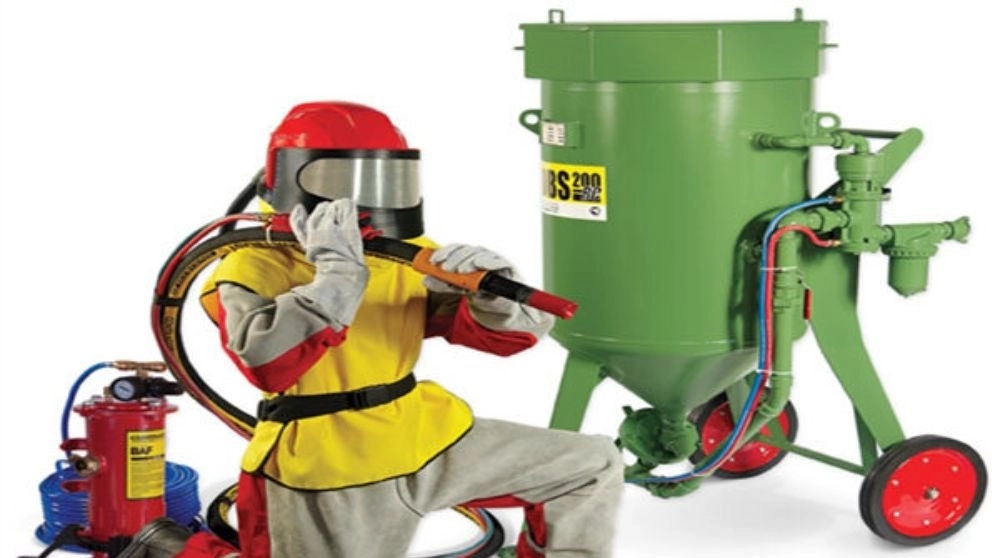
We are ready to provide the best services in Mohammadi, with years of experience in the implementation of documentary and tank coloring.
Mohammadi Contracting Services, Sandblasting and Coloring Tanks In Tehran
Sandblast:
- Implementation of Sandblast using advanced equipment and quality materials to remove rust, old color and contamination from different surfaces. BR> - Providing documentary services for a variety of tanks, steel structures and other surfaces.
Painting tanks:
- Using high quality and resistant industrial colors And chemical.
- Professional coloring and according to the world's standards.
why Mohammadi Contracting?
Experience and Specialty: Our team consists of experienced and painted experts who use modern techniques to bring you the best results.
High Quality: We care about the quality of our work and use the best raw materials to provide services.
Affordable Price: Our Services Due to High Quality, Competitive Price and They have the right.
Customer Satisfaction: Our goal is to satisfy customers and we are always trying to provide services beyond your expectations.
Our projects
We have successfully implemented numerous projects in Tehran and other parts of the country. Our portfolio includes staining industrial tanks, steel structures, and other large projects.
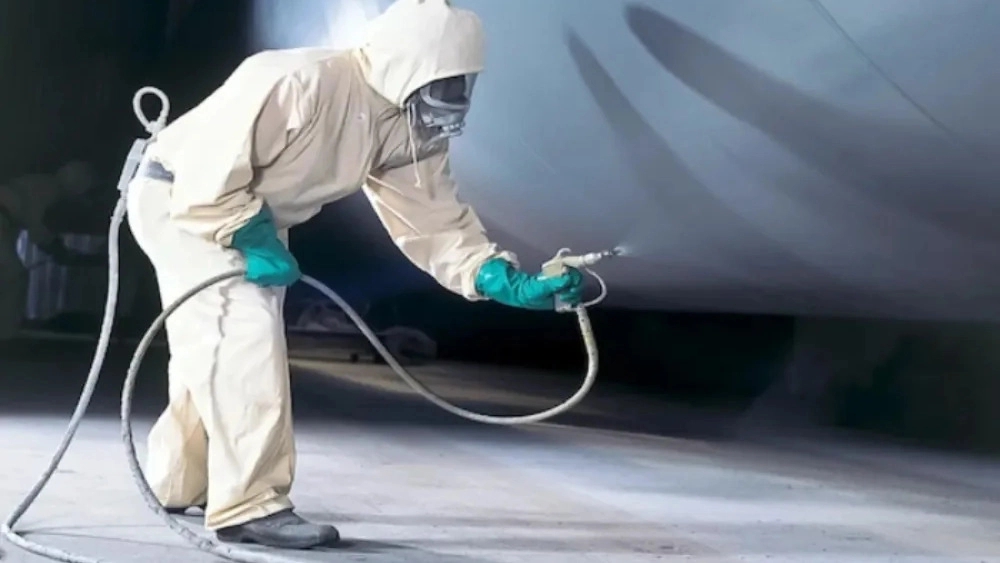
Tank documentary is one of the effective and efficient ways to clean and prepare the interior and exterior surfaces of industrial tanks. This process is mainly used in various industries such as oil and gas, chemical, water and wastewater and power plants. Over time and continuous use, tank surfaces develop pollution, rust and other problems that can affect their performance and safety. These contaminants can reduce the quality of the material stored in the tanks and sometimes have serious risks for employees and the environment.
The tank documentary refers to a process in which abrasive particles, such as sand, silica or aluminum oxide, are sprayed at high speeds on the tank surfaces. These particles are transferred to the tank by the help of an air compressor and completely eliminate contaminants, colors, and rusts.
This method is typically designed for metal surfaces and to the metal surfaces. The reason for its high performance and speed of operation is used in many different industries. Sandblast can be done in two forms dry and wet. In dry sandblasting, abrasive particles are sprayed dry and without water use; While in the more sandblasting, abrasive particles are used with water, which helps reduce dust.
how to run the repository documentation
Step One: Preparing
This stage includes safety measures. Before starting work, the work area should be marked and personal protection equipment such as mask, glasses, and gloves should be used. Proper ventilation should also be provided to prevent dust accumulation and dangerous vapors. Also, the tank should be discharged from any dangerous substance. After the discharge, the tank should be carefully inspected to identify any defect, cracking or corrosion. Surfaces that should not be documented, such as pipes and fittings, should be covered with nylon or other materials.
Step Two: Selection of the Sandblast Method
The appropriate documentary method must be selected based on the type of contamination, level and quality requirements. Dry sandblasting is the most common method in which dry abrasive particles are used. This method is commonly used in large industrial projects due to its high safety and efficiency. In contrast, the more sandblasting that uses abrasive -mixed particles with water creates less dust; But it may not be as effective as dry sandblasting. Also, special abrasives such as walnut shell or corn nucleus are used for sensitive surfaces or when required to be precise cleaning.
Step Three: Performing a repository documentation
At this stage, the air compressor settings must be done properly to provide the appropriate pressure and current for abrasive particles. The operator must hold the nozzle with the right angle and distance from the tank surface and move uniformly across the surface. This movement should be such that it is ensured of complete and uniform cleaning. The operator should note that abrasive particles are uniformly spread on the surface to prevent damage to the surface.
Step Four: Final Cleansing
So From the completion of the Sandblast operations and services, all dust and abrasive particles should be cleared using an industrial vacuum cleaner or waterjet. This step helps maintain the workplace and prevent secondary contamination. Also, the tank surface must be fully inspected to ensure complete cleaning and lack of defects or damage. If needed, restorative measures can be taken.