
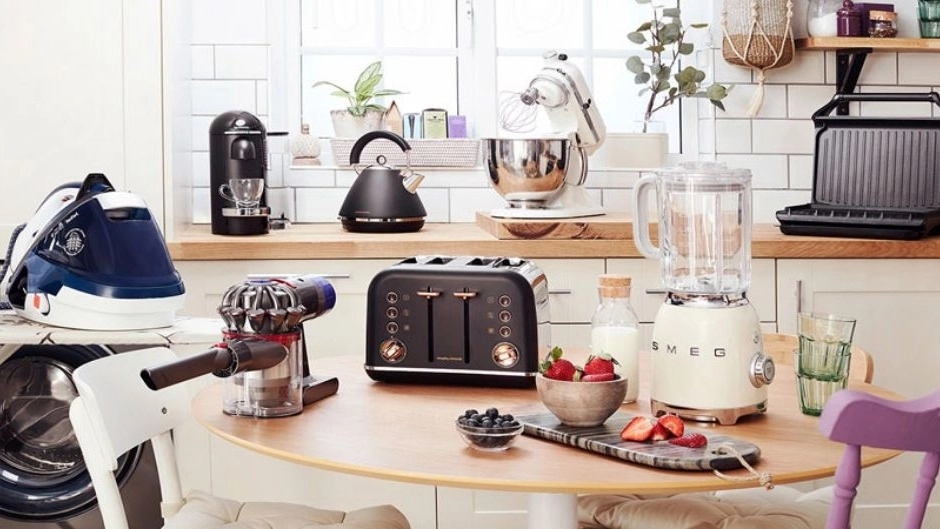
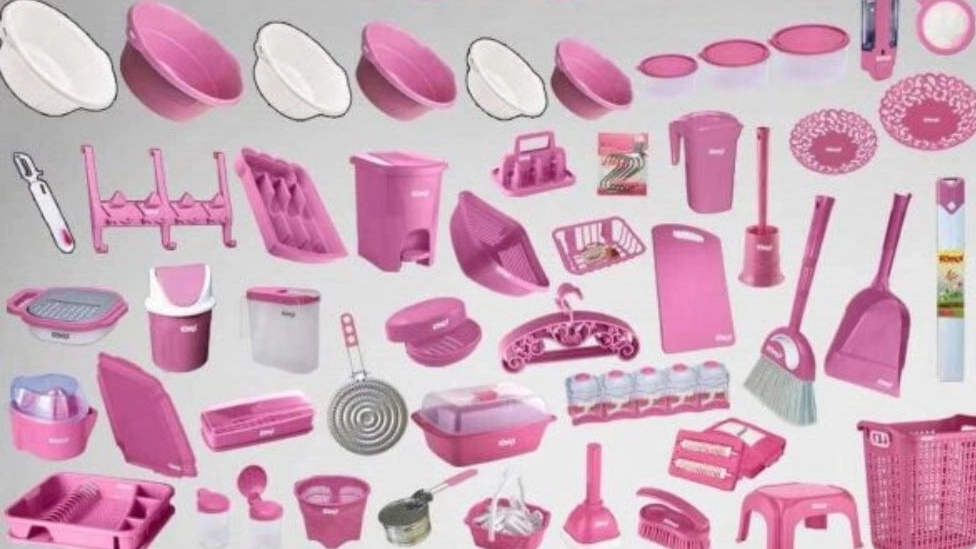

Differences of economic and luxurious home appliances
Key differences in economic and luxury home appliances can be examined in several main categories:
The quality of construction and raw materials
One of the main differences between luxury and economic home appliances is the quality of manufacturing and raw materials. In luxury home appliances, high quality raw materials, resistant metals, first class plastics and durable glass are used. However, economic home appliances may be made of cheaper and lower -quality raw materials that may have a lower life.
Design and appearance
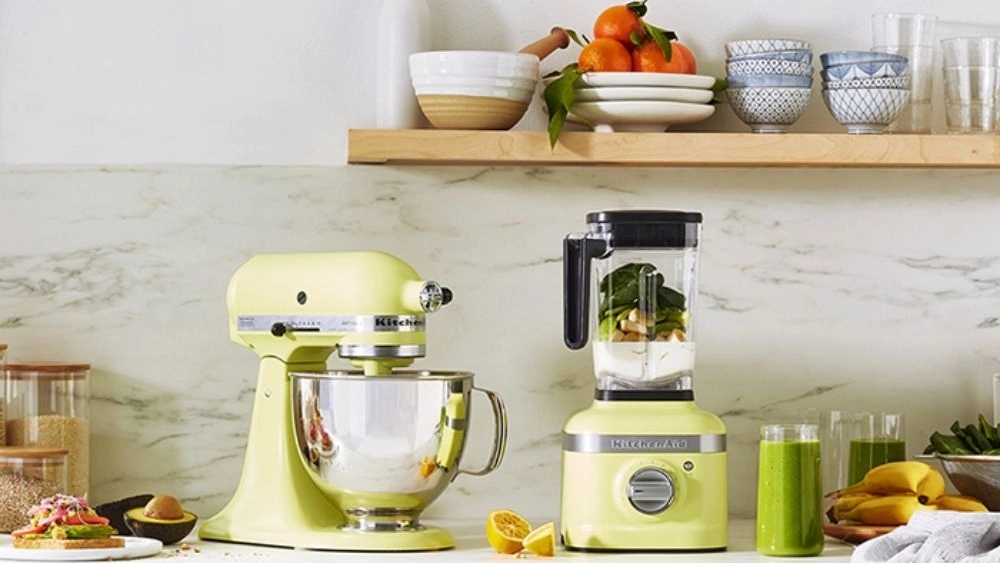
Design is one of the factors contributing to home appliance pricing. Luxury home appliances are of great value because of their attractive, minimalist and modern designs and are often influenced by home interior decoration. On the other hand, economic home appliances have simpler designs and usually do not look very stylish.
Advanced technology
Luxury home appliances usually have new and advanced technologies such as artificial intelligence, smart connections and remote control capabilities. These features allow the user to better control and use the devices. In contrast, economic home appliances usually have basic and functional features and do not use advanced technologies.
Energy consumption
Luxury home appliances are less consumed due to the use of energy optimization technologies and reduce energy costs in the long run. These products control their energy consumption using sensors and smart systems. On the other hand, economic appliances usually have more energy consumption and may increase electricity costs.
Warranty and after -sales service
Luxury home appliances are usually offered with long -term warranty and strong after -sales service, which creates more confidence for the customer. In contrast, economic home appliances may have more limited after -sales service or their warranty is shorter.
Home Appliance Shopping Guide
Determination of Budget: The first step in buying home appliances is to set a budget. If you have enough funds, luxury options with advanced features and durability may be better. But if the budget is limited, you can choose from the right quality home appliances.
Checking your needs: Identifying your daily needs can help you choose home appliances. If you need to use home appliances daily and care about high durability, it's best to think of luxury options. But if your use is less, economic models can also meet your needs.
Comparison of Brands: Different brands in both luxury and economic categories offer a variety of options. Before buying, research which brands have better feedback from customers and provide better after -sales service.
Pay attention to technology and features: If you are looking for advanced and modern features and features such as connecting to your phone or remote control, luxury home appliances are a better choice. But if you ignore these features, you can reduce costs by buying economical models.
Consider energy consumption: Consider the energy consumption label when buying home appliances. Although luxury home appliances may be priced higher, they will have less energy consumption in the long run and can reduce your electricity costs.
The benefits of luxury home appliances
The quality of construction and longevity
Luxury Home Appliances: Made of high quality raw materials and therefore have longer durability and longevity, which can make home appliances more affordable in the long run.
Economic Appliances: They have a lower build quality that may reduce life span and need more repairs over time.
Beautiful and attractive design
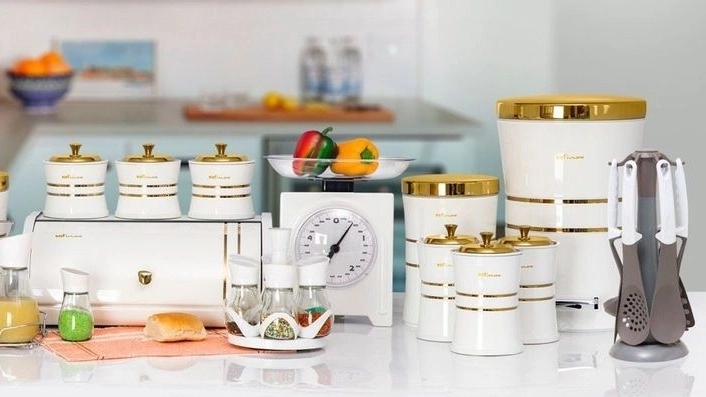
Luxury Home Appliances: They have modern and luxurious designs that give home decoration a special look and are suitable for environments that are more beautiful.
Economic Appliances: They have a simpler and functional design and are more focused on efficiency.
Advanced technology and facilities
Reduce energy consumption
Luxury Home Appliances: They often have energy consumption optimizations that save power in the long run.
Economic Appliances: They may have more energy consumption and cost more consumption in the long run.