
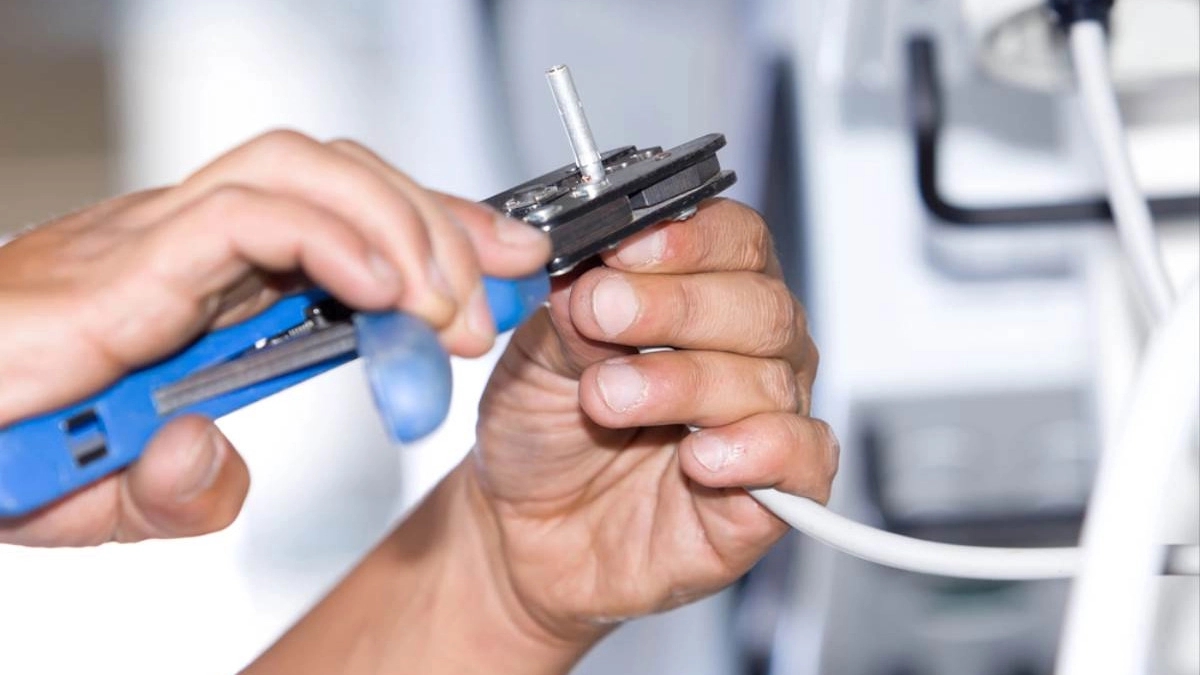
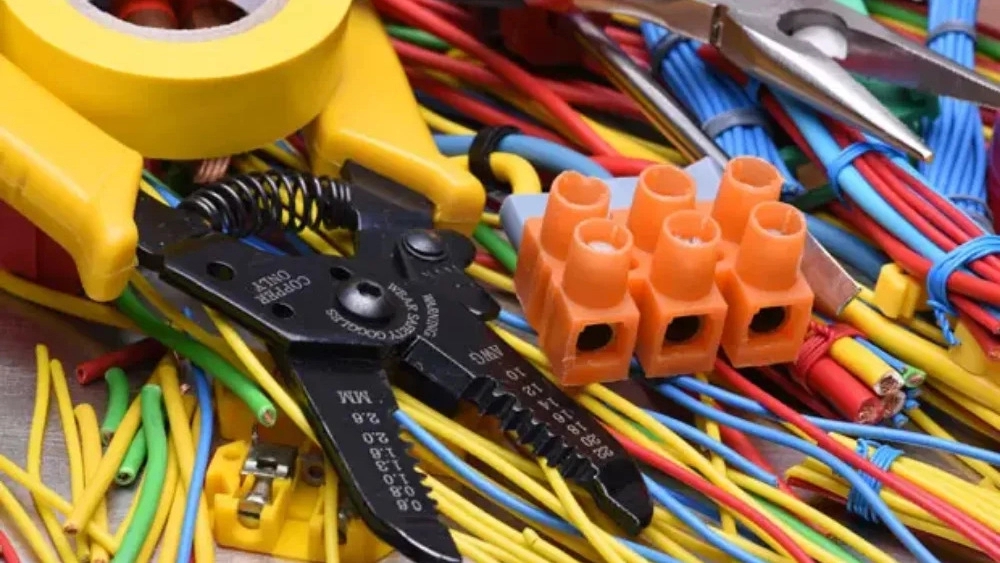


Important points in building electrical
In building electricity, some important safety and design tips such as observing the intervals of wires and branches should be observed. Given the high risk of non -standard electricity and the importance of properly positioning keys and sockets in the building, the important instructions and points in the building electricity must be observed. Some of the important points in building electricity are:
• Choosing the right place of sockets : You may have encountered homes where the number of power outlets is very low or is not located in suitable locations. Choosing the right place is very important for the outlets, as the outlets are inappropriate if they are inappropriate. Building Electricity: In building electricity, some intervals must be observed. For example, keys distance from the floor of the building should be about 1 to 2 cm and the sockets from the floor should be at least 1 to 2 cm
• Observing the capacity of meter branch : If the capacity of the building's meter branches is not observed, the voltage of the building will be reduced if the building is not observed suddenly and will result in power outages.
What is the building's electricity troubleshooting?
Electricity is always one of the most widely used forces in our daily lives. But the quality and trust assurance of this force in relation to human and daily work is of particular importance. Building electricity in the building refers to activities that are systematically and logically on the systems and equipment available in the building. The main purpose of electrical troubleshooting is to identify and fix any defects in systems, wires and cables to maintain electricity security and efficiency in the building. This operation includes technical reviews, electrical measurements, tests, and various electrical components.
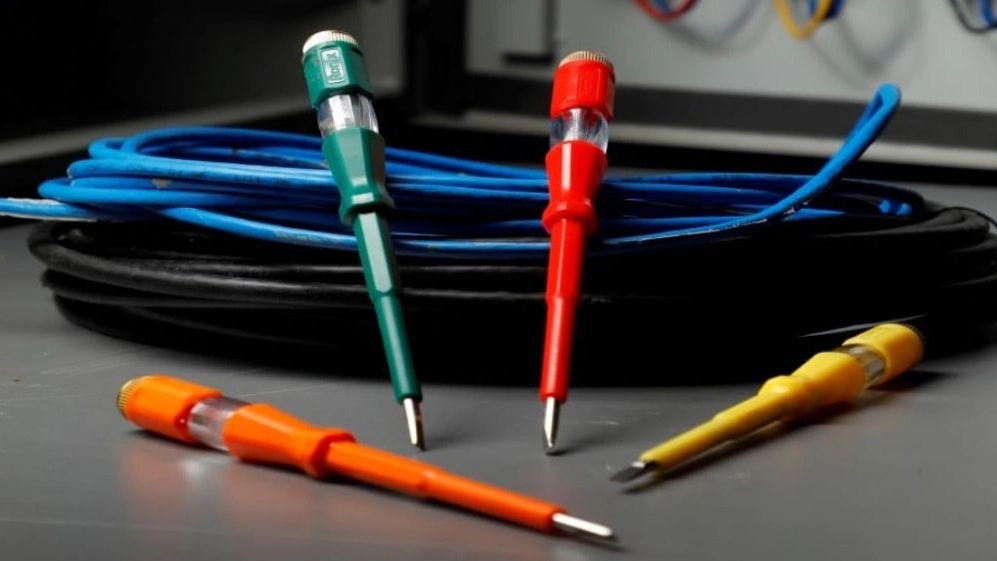
To troubleshoot the building, technicians and professionals must use appropriate tools and equipment. Among the methods that may be used in this process are electrical audits, voltmeter use, ammeter and defect testing devices and electrical forms. With the successful troubleshooting of electricity, electrical problems have been identified and resolved and the likelihood of electric accidents and damage to equipment and building can be minimized.
Types of Building Electricity Building
Before starting to discuss troubleshooting in the building electrical system, we must first look at the different types of possible flaws in the building domains. From the weakening of the power flow to the home to a variety of electrical connections problems, etc. can be common components in troubleshooting the building system. Knowing what flaws in the building's electrical system and how they are created can guide us in solutions to their improvement. For this reason, the important methods of troubleshooting in the building power system are among the following:
Wiring
When designing and installing wiring in the building, security and electricity productivity in all parts of it is of particular importance. From lighting to flamm from home appliances, they all access the electrical balance needed for their proper operation. However, in some cases, devices may consume too much current due to various factors. This condition, known as an increase in cargo, is usually associated with over -load failure in home appliances. Also, due to factors such as insufficient information or undeniable errors, we may have too much electric charge in a building distribution line.
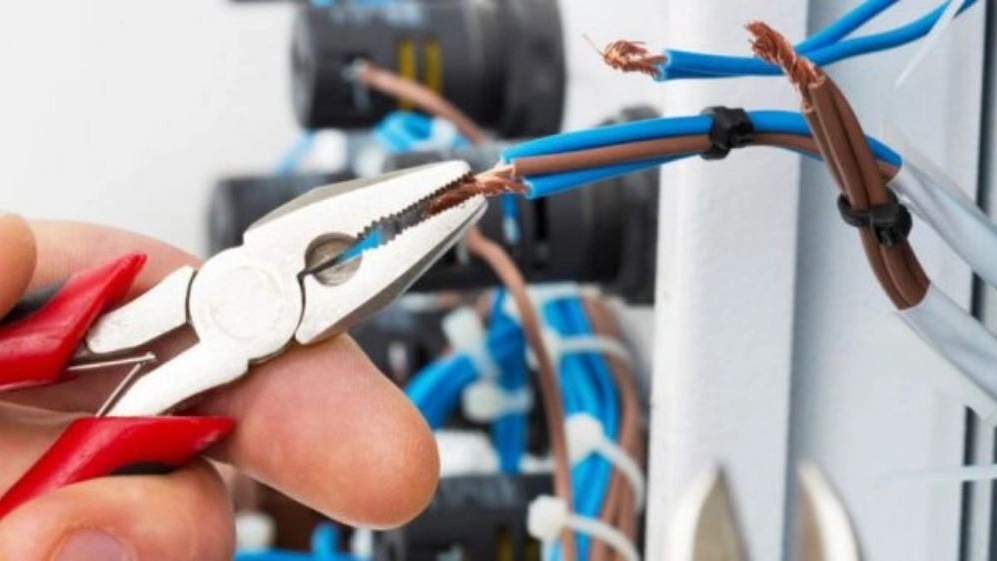
Electrical connection
Electricity connection in homes is one of the most common issues in troubleshooting electrical systems. In no circumstances, the phase and the null should be interconnected indirectly and without standard intermediaries, as such direct connections can lead to serious risks. The consequences have occurred due to the defects of the electrical system. These defects can create very high currents and be extremely dangerous, especially if a standard cutting system is not available, increase the likelihood of dangerous accidents such as fire or serious damage to the electrical system.
Two -phase building electricity
The two -phase process of electricity in the building is one of the critical issues in troubleshooting electrical systems. This can be considered in two different forms; One is that the building uses three -phase electricity and the other is that this may occur for a single -phase building. In most cases, the electricity used in residential areas is tasty, but for larger residential units, three phases need to be felt.