
Difference and Boiler Difference
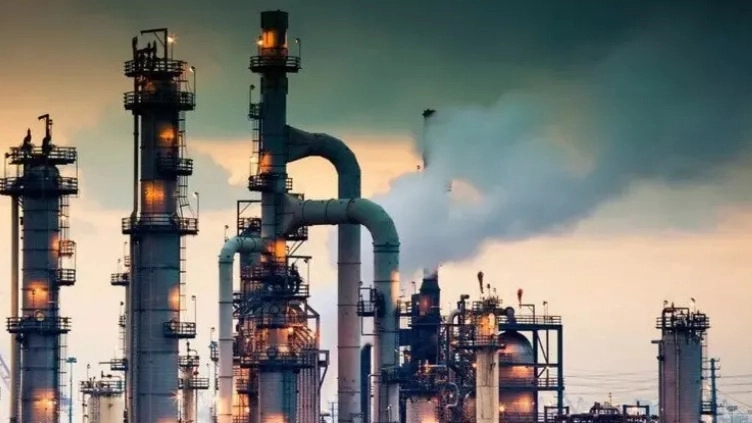
These two devices play a vital role in heating and steam production processes. The boiler is capable of producing high -pressure steam and temperature, which makes it suitable for large industrial applications such as power plants, refineries and factories. On the other hand, boilers act as heat exchangers and are used for heat transfer and heating on different scales from homes to commercial buildings and small industries. The performance, efficiency and cost of installation and startups are also. Diggies are more commonly used in industrial environments because of their ability to produce high -pressure and temperature supply, and boilers are used to provide heating and hot water in smaller buildings and industries. br>
What is a boiler?
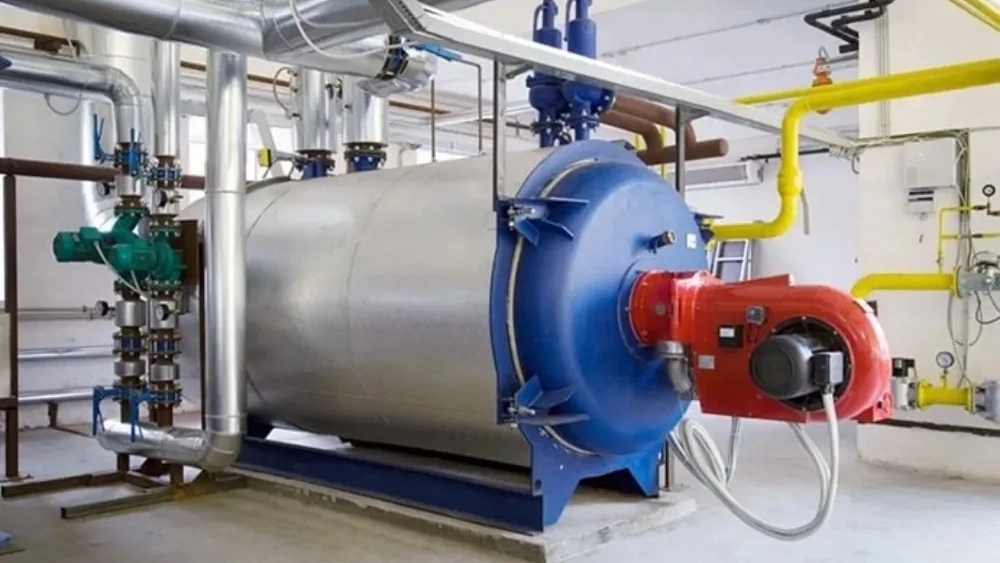
Boiler acts as a heat exchanger and transmits heat from one fluid (usually water) to another. Boillers are used to provide heating in homes, buildings and industries and are available in different sizes and designs. These devices effectively transfer heat from a heat source to the desired fluid.
What is a boiler?
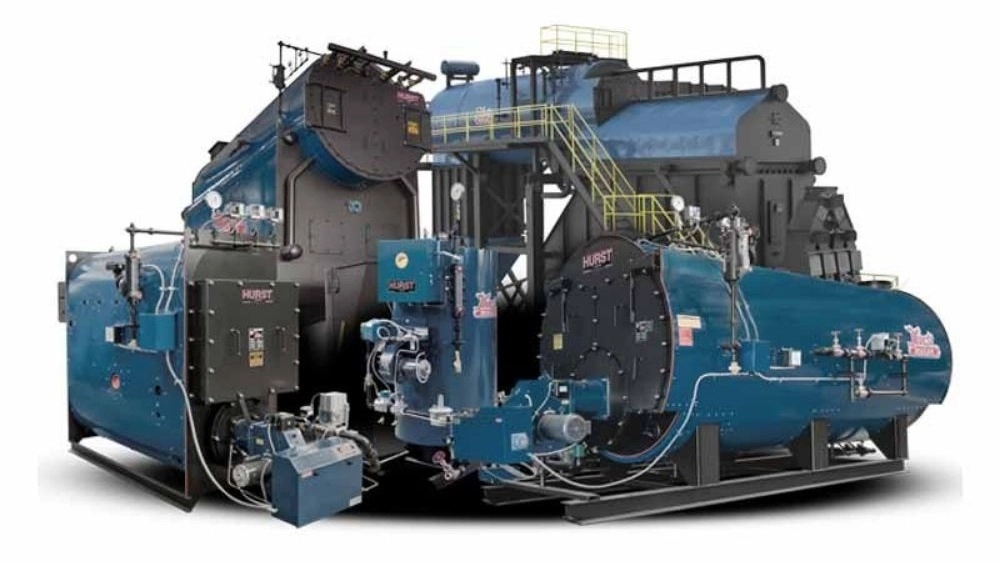
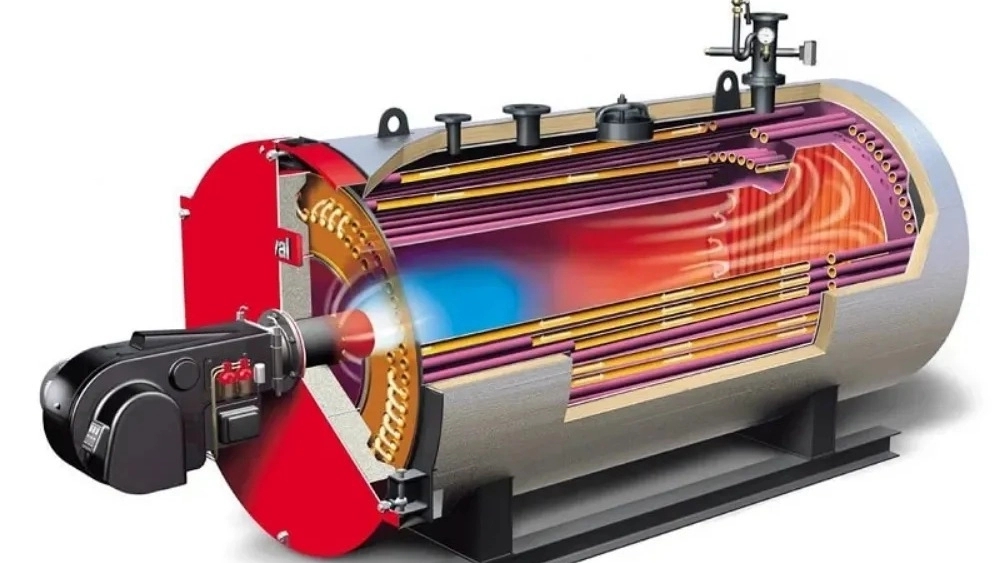
Boiler is one of the types of boilers used to produce steam, and steam boilers are generally used in large industries such as refineries, factories and power plants. These boilers are capable of producing high pressure and high temperature and are used as a source of energy to meet the needs of heating, steam and other processes. Well, so far the difference between boilers and boiler has been clear to you, now it's best to get acquainted with the functional parts on these devices.
constituent components of both devices
boiler and boiler are both complex tools that consist of several components. These components each have a vital role in the proper and efficient functioning of the device.
boiler components
Body: The body of the other is made of resistant metal and works very well in maintaining high pressure and temperature of the steam.
Combustion furnace: The furnace is a place where fuel burns and heat is produced, this heat is transferred to the water and the steam is produced.
Water inlet: This part is the site of water entry into the pot, so that it is heated inside the boiler during the steps to become steam.
Pass pipes: Pass pipes are responsible for transferring heat to water. The boiler usually has 2 passes and 3 assists, each creating different pathways for heat transfer.
Machine chassis: The chassis acts as a steam base and holder, which stabilizes and strengthens the device.
Steam Output: The steam produced is removed from this part and is transferred to the connection systems that require steam.
Front and back door: These doors are used for maintenance to access the interior of the boiler.
Chimney: The chimney is responsible for the exit of the combustion gases and prevents the accumulation of harmful gases in the boiler.
Boiller components
Boiler Applications
Buildings heating:
Boillers are widely used to supply heating in residential, commercial and office buildings. These devices heat the water and transmit heat to the interiors through heating systems such as radiators and floor heating.
hot water consumed:
Boillers play an important role in supplying hot water consumed in homes, hotels, hospitals and other buildings. Heated water by boiler is used for home and industrial uses such as baths, washing and washing processes.
Small Industrial Factory:
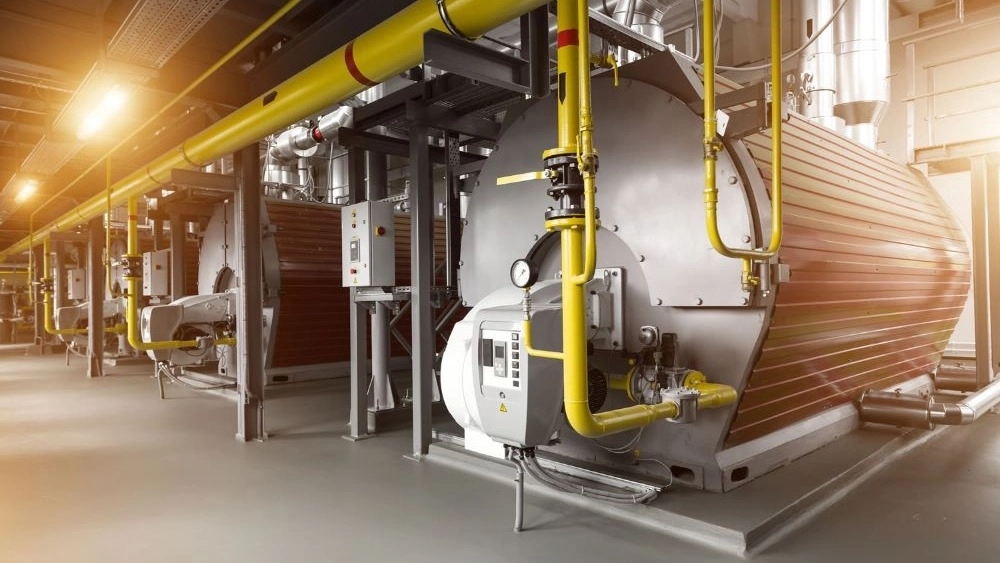
Boillers are used in small industrial plants to provide heating and hot water. These applications can include manufacturing, washing and sterilization processes.
Pools and Recreational Centers:
Boillers are used to supply hot water for pools, saunas and jacuzzles. These devices bring water to the optimum temperature and prepare it for use in recreational and sports centers.
Hospitals and Medical Centers:
In hospitals and medical centers, boilers are used to supply hot water consumed, environmental heating as well as the processes of medical equipment sterilization.
Greenhouse Heating Systems:
Boillers are used to supply greenhouse heating, these systems help maintain the proper temperature in plant growth and increase greenhouse productivity.