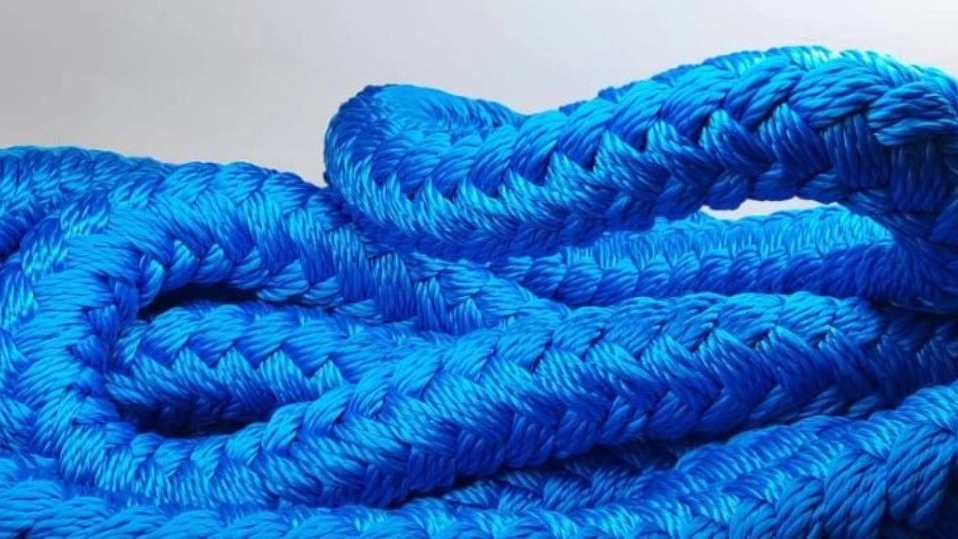
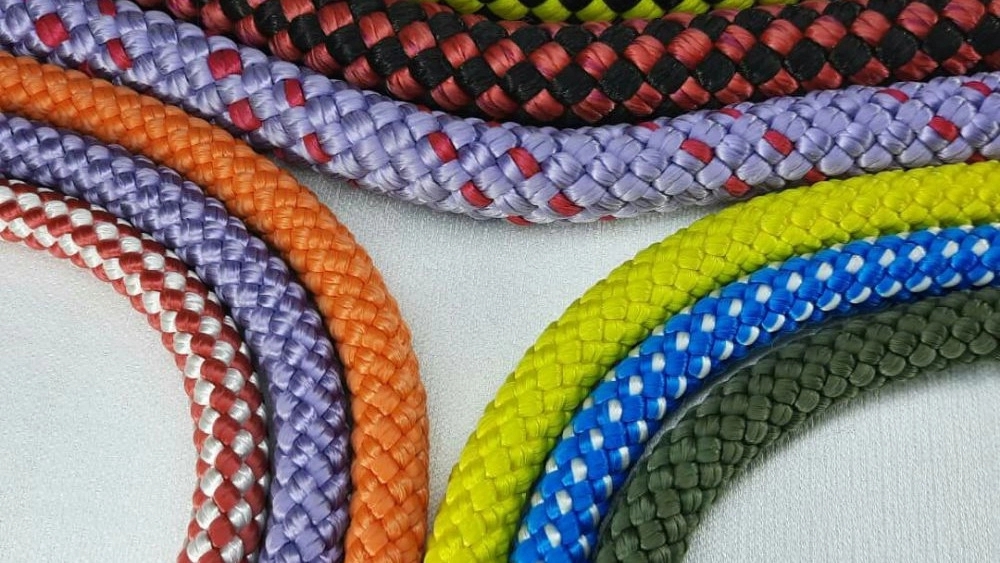

Polypropylene ropes are made of polypropylene chemical polymer and are usually multi -stranded. The silk ropes are in the handle of the plastic rope. Most of these ropes are manufactured from pure polypropylene and UV stabilizer materials. Polypropylene ropes have specific properties such as lack of moisture absorption, low weight, high strength coefficient and bearding, high resistance to a variety of acids and bases, water levels on water, production capability and varied designs, The durability and durability are very high. These ropes are made without the slightest effect of destructive environment. So it can be said that the polypropylene silk rope is a good alternative to different types of ropes made of natural fibers. Polypropylene silk ropes are used in various industries such as building, agriculture, drilling, military, fishing and marine.
The early stages of producing silk ropes
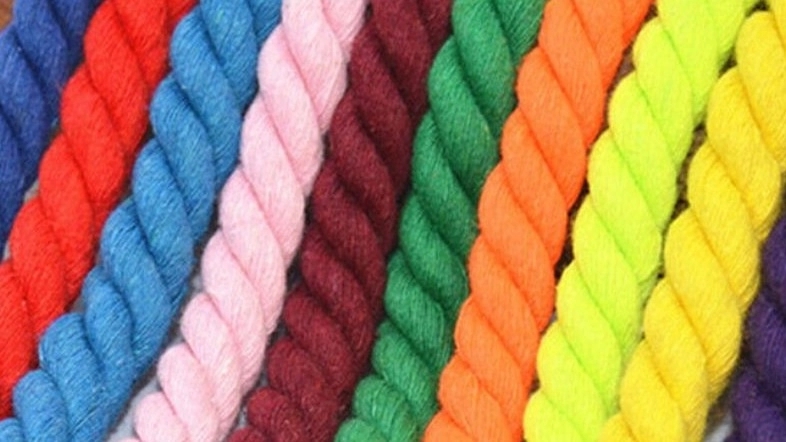
Coarse
The use of coarse rope in the marine and fishing industries. It is noteworthy that the ropes used in the telecommunications and electricity transmission lines are of this type. The diameter of this product is available from 8 to 28 mm in different sizes.
Micro -tissue rope
Depending on the use of this rope in the sports, military, safety and personal use industries, it is changed and tailored to customers when constructed and tissue structure. The size of this product comes from 3 mm to 16 mm in diameter.
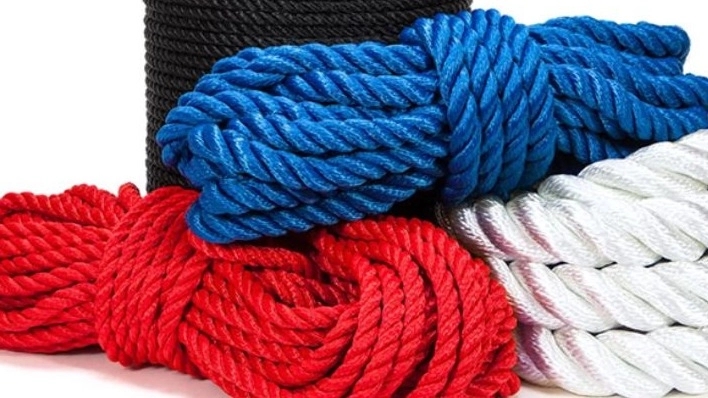
The mechanical feature of the silk rope
The silk rope, which is generally woven in 2 strands and is usually packaged in 2 meters, has a high tensile strength, while the low -density of silk ropes used in camping and boating is sometimes in 2 strands. Woven. When evaluating the quality of the silk rope, a size is defined as knotted, which is implemented for a 2kg impact and the ratio after lifting the load should not exceed the diameter of the silk rope.
Silk rope features
Silk ropes have more fans than other ropes on the market because of their specific features. These ropes are mostly used in the marine and shipping industries.