
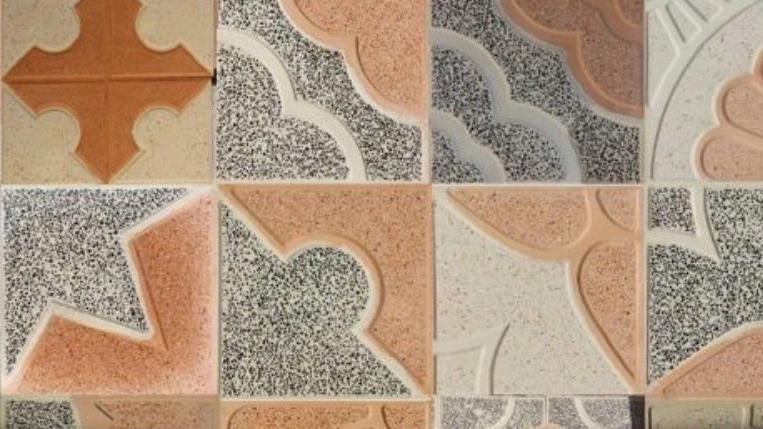
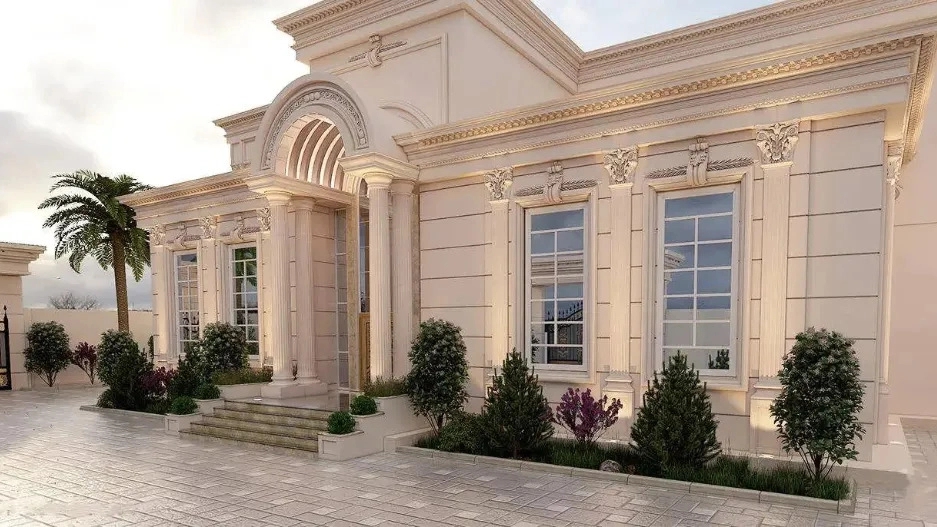


Mosaic is one of the most common flooring, especially in the outdoor spaces of the building, such as landscapes, roofing, yards, and more. These flooring has a great variety of designs, colors, sex, and even how to choose it, so choosing them may seem a little difficult. For this reason, we intend to introduce you to the types of mosaics of the building and their application.
These materials are divided into two groups of interiors and exterior spaces based on their use. Most external mosaics are used as flooring and interior mosaics as wall or flooring, which also have artistic or decorative aspects. There are also a variety of mosaic models based on the design, method of construction and layers that we will discuss below.
انواع لایهها و ساختار تشکیلدهنده موزاییکها
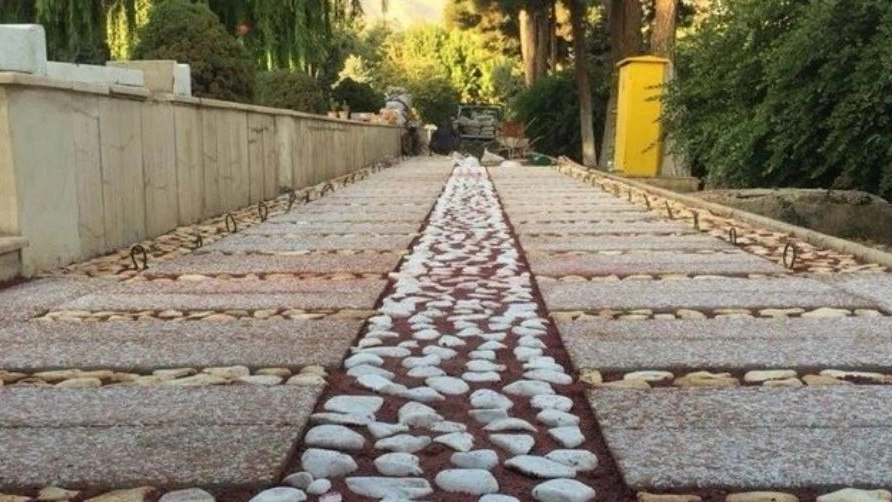
Mosaics are cement parts, generally made of cement, water and other materials (sand, stone powder, stone and custom colors). Mosaics, in addition to their type of use inside or outside the building, are divided into different types based on the constituent layers as well as the process of construction, each of which will be used to suit the building space. In general, the types of mosaics according to the constituent layers are:
Single -layer mosaic
These mosaics from only one layer to The thickness is less than 18 mm, so they are lightweight and light. Two -layer mosaics are often used in buildings and areas, due to lightness, very low water absorption, compressive resistant, uniform and polished surface with variety in color and dimensions. It is best to know that single -layered mosaics are all produced and manufactured in a vibration method that we will introduce below.
Two -layer mosaics
Other types of mosaics include two -layer mosaics, with its constituents contain two dense layers. These layers include:
Color layer or mosaic layer
Nazin Mosaic or Underwater Layer
Color or Minecraft layers often from the combination of cement , Water, stone powder, granular and colored compounds are used, which is mostly the role of a protective layer against water and moisture. However, the underlying layer of the mosaic (Nazin) is made up of cement, sand and water composition and resists compressive force due to the thickness of the procedure layer.
Double mosaic mosaics can be found for polymer mosaics and washing mosaics. We will continue to introduce it. It should be noted that two -layer mosaics are marketed in two ways of vibration and percussion in different sizes and designs.
روش ساخت انواع موزاییکهای ساختمانی
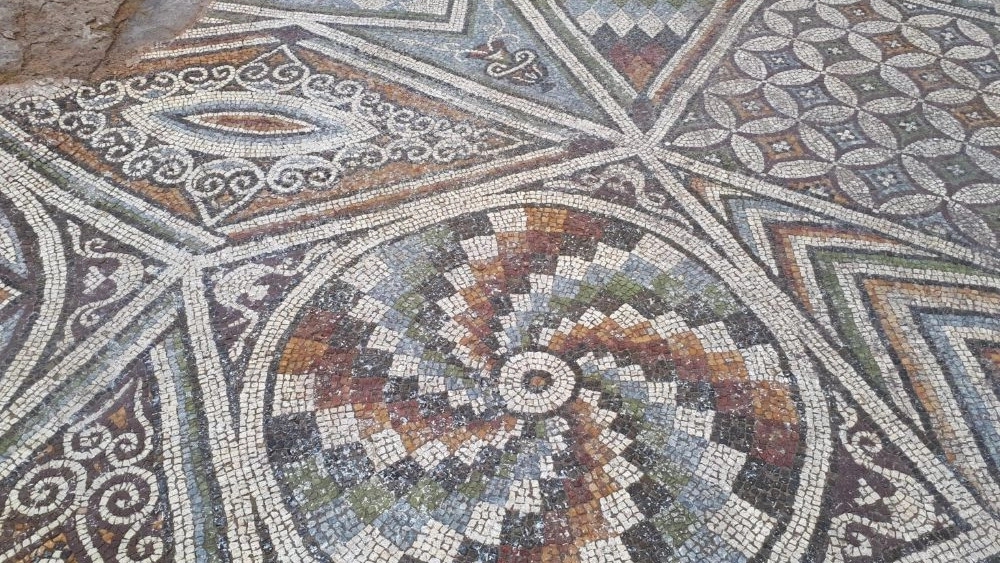
Mosaics are made in two ways of vibration and percussion in two layers or single layers. Given the unique features, each of them is used for interior and exterior spaces. In general, the method of making vibration and referendum mosaics is as follows:
Percy (Automatic Pressure)
The name of this method is evident. Mosaics become a dense and coherent mosaic by pressing the mosaic press. It is noteworthy that the amount of pressure applied in this method will vary depending on the dimensions of the mosaic. Also, the product obtained from the Percy method known as the automatic or percussion mosaics is a two -layer mosaic example, so they will be mandatory.
The vibration method (vibration)
The mosaic density in this method is performed by the vibrating devices, and unlike the Percy method, the compression on There is no mosaic strata. Mosaics made in this way are called vibrant mosaics and fall into the category of mono -layered mosaics. It should be noted, however, that vibration mosques used in combination with decorative and decorative stones need to be polished and polished.
انواع موزاییکهای ساختمانی و کاربرد آنها
Polymer Mosaic
The two -layer polymer mosaics used as flooring are a self -dense concrete that obtain its density through the process of artificial stone resin or polymer resin. . The ingredients of this mosaic are mainly cement, stone, sand, synthetic stone (cement plastos resin), water and chemical pigments produced by vibration in different colors, designs and sizes. These types of mosaics are one of the best floors for the exterior of the building due to its high resistance to cold air (frost) and less than 3 % water penetration along with high resistance to tensile, abrasion, compressive and temperature.
Grooved mosaics
This type of mosaic, also known as paving mosaics, is often used in sidewalks and areas. One of the reasons for naming this type of mosaic to the groove is the existence of recessions and bumps on the surface of the procedure