

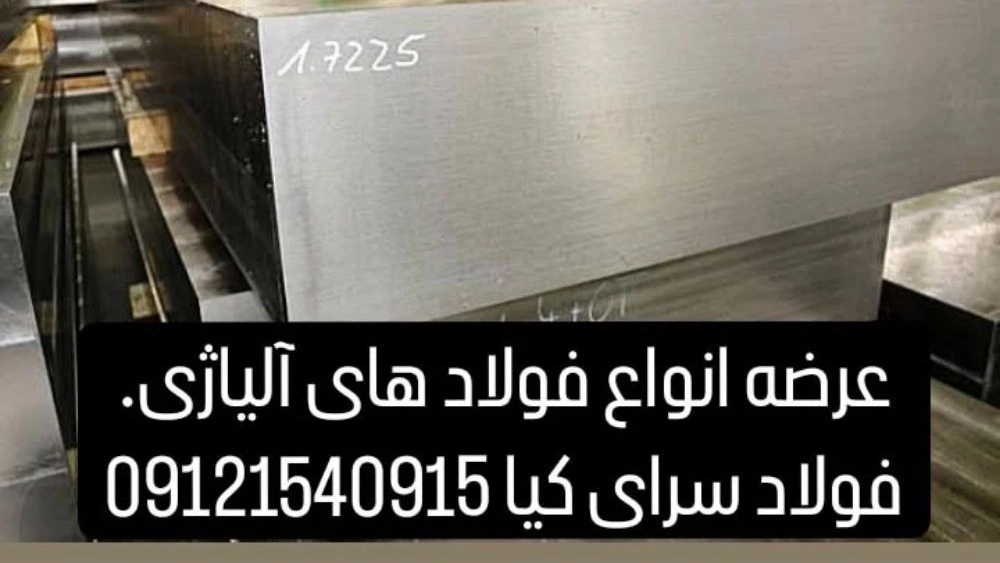



What is alloy steel?
Alloy Steel is an iron -based material that contains one or more additional elements in addition to carbon. Alloy steel is one of the types of steel that has been alloyed in addition to carbon with various other elements. Other elements include chromium, vanadium, nickel, molybdenum, silicium and boron, which make up between 1 and 5 percent of this type of steel. The existence of these excess materials in steel alloy causes different mechanical properties and improves one or more physical and/or mechanical properties, such as: hardness, strength, toughness, high temperature performance, corrosion resistance and wear resistance.
Alloy steel is usually more resistant to mechanical and thermal forces than carbon steel. Alloy steel composition may also use other compounds such as aluminum, cobalt, copper, head, niobium, titanium, tungsten, tin, zinc, lead and zirconium. These different elements are added to the steel in the melting stage. The most important of these is carbon elements that determine its hardness and softness.
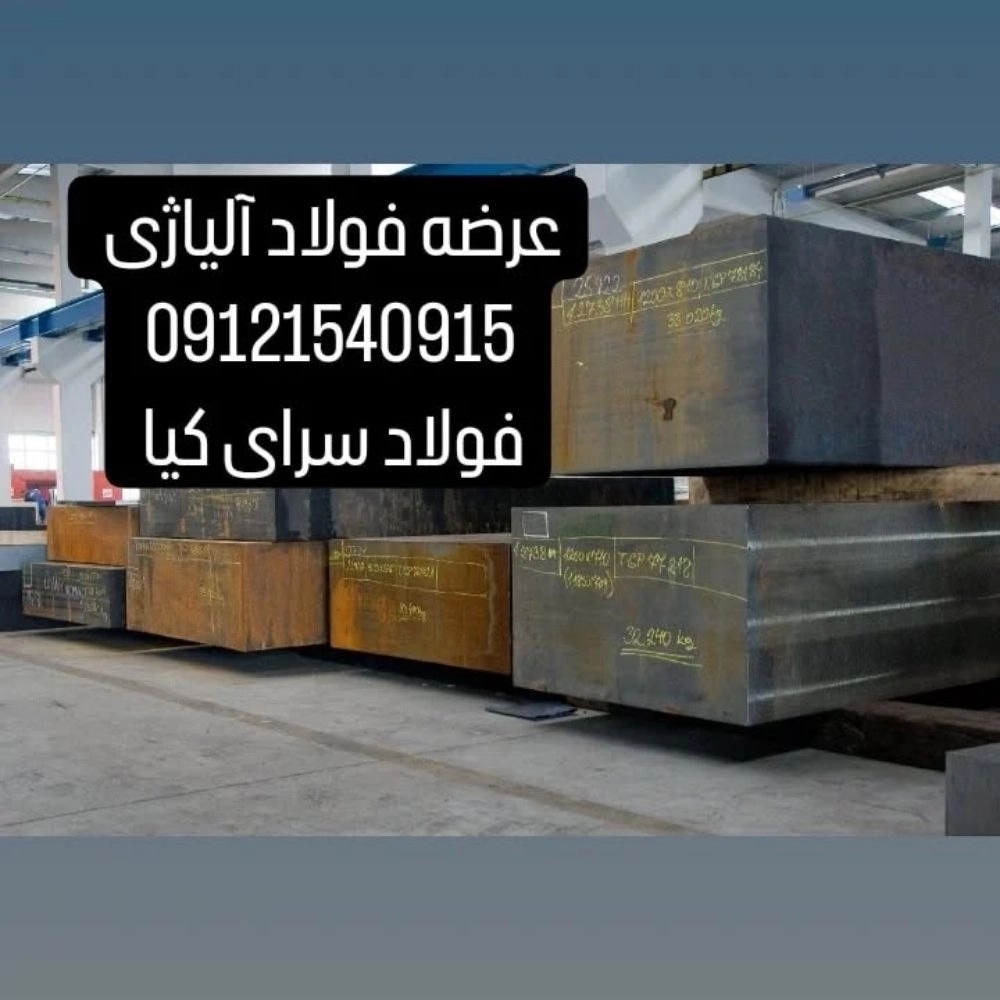
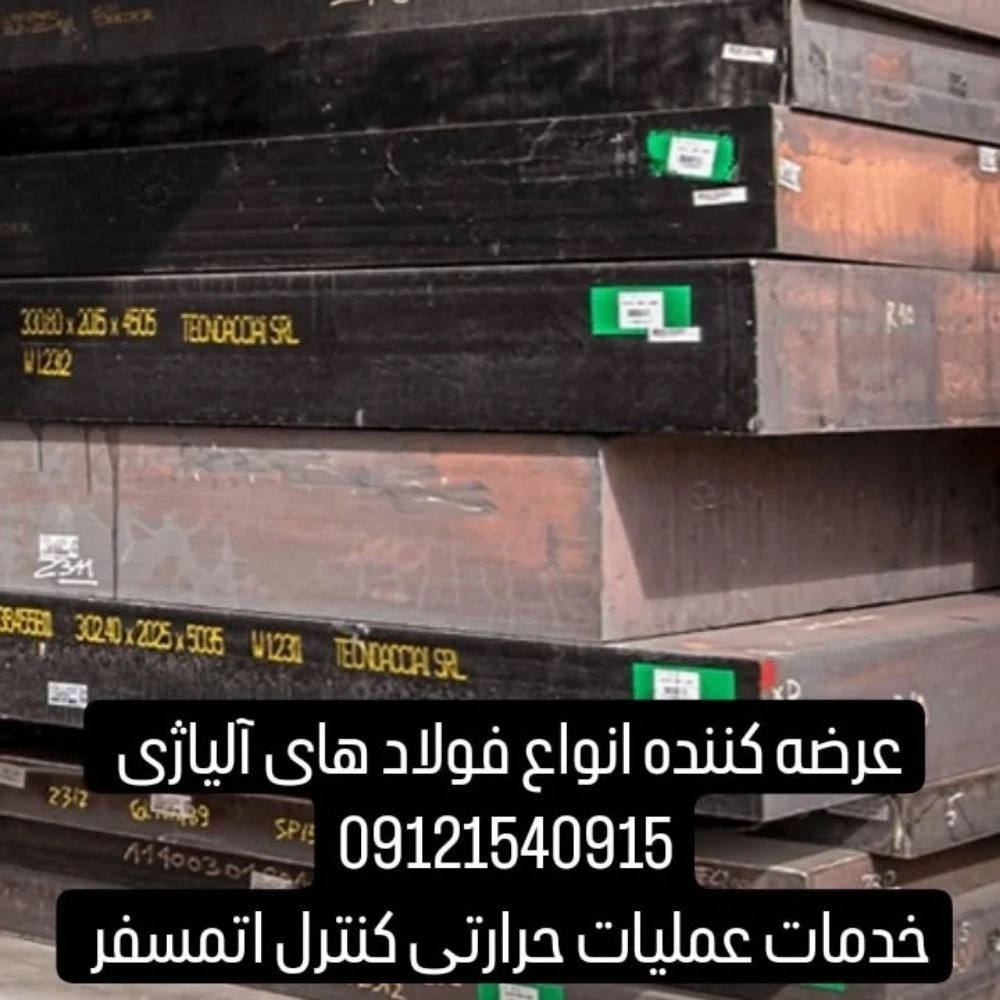


Alloy steel is used to build jet motors, turbine blades, nuclear reactors, spacecraft because of its features such as hardness, toughness, corrosion resistance, etc. Alloy steels provide different responses in magnetic environments and are therefore very useful for the manufacture of electric motors and converters. Low alloy steels are used in various industrial sectors because of their strength, machining and affordable. They can be found in ships, pipelines, pressure tanks, oil drilling platforms, military vehicles and construction equipment. On the other hand, the production of high alloy steels can be expensive and challenging them. However, they are suitable for car applications, chemical processing and power generation equipment because of their strength, toughness and high corrosion resistance.