
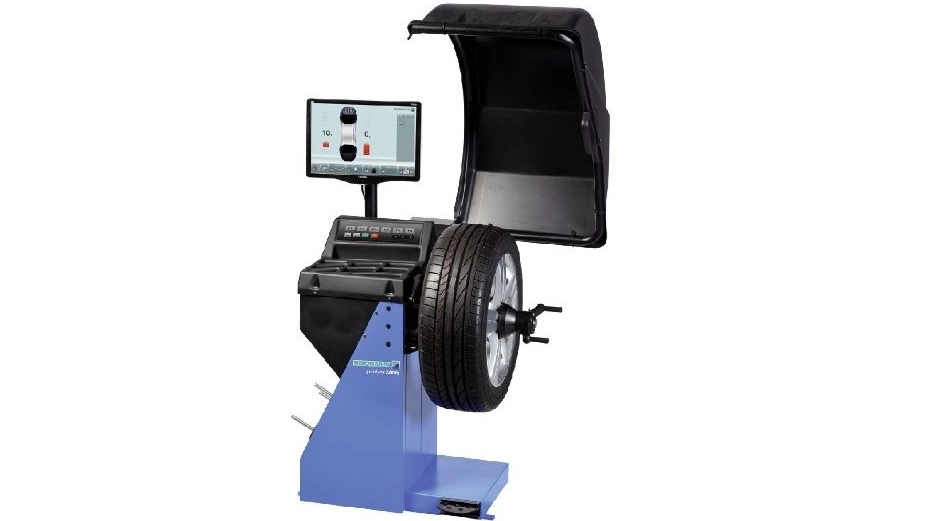

Pulley Wheel Balance is one of the important aspects in the maintenance and optimal performance of belt and pulley system in cars and industrial machinery. This process ensures that the pulleys and the belts attached to them work properly, preventing vibrations, unbalanced wear and reduced system efficiency. In this article, we will examine the concept of money wheel balance, its importance, balancing methods and signs of imbalance.
Definition of money wheel balance
Flywheel is a rotating part in power transmission systems that transmits power through a belt to other parts such as alternator, cooler compressor, hydraulic pump and crankshaft. The balance of the money wheel means the uniform adjustment of the weight of this piece to prevent unnecessary vibrations during rotation.
The importance of balancing the monetary wheel
An imbalance in the money wheel can cause several problems, including the following:
- Decreasing the life of belt system parts: additional vibrations cause faster wear of belts and bearings.
- Increased fuel consumption: Improper monetary performance will cause more pressure on the engine and increase fuel consumption.
- Decreasing the efficiency of the systems connected to the pulley: If the pulley of the alternator is unbalanced, it may cause a decrease in the performance of the vehicle's electrical system.
- Creation of abnormal noise: Unbalance can cause abnormal noise in the engine and belt system.
- Increased risk of engine failure: excessive vibrations can negatively affect the crankshaft and lead to engine failure in the long run.
Signs of unbalanced money wheel
An unbalanced flywheel is usually accompanied by some symptoms, which include:
• Vibration in the engine and belt system
• Abnormal noise (buzzing or screeching) when the engine is running
• Asymmetrical belt wear
• Reduced performance of belt-dependent systems (such as the cooler and alternator)
• Excessive use of the belt and the need for frequent replacement
Money wheel balancing methods
To avoid problems caused by the imbalance of the money wheel, different methods are used for balancing:
1. Static balance
In this method, the money wheel is placed on a fixed axis and the points that have asymmetric weight are identified and adjusted. To correct the balance, extra material may be shaved off or weights may be added at specific points.
2. Dynamic balance
In this method, the money wheel is checked under real spinning conditions. Using specialized equipment, vibrations are measured and necessary changes are made to adjust the weight. This method is necessary for money that works at high speeds.
3. Changing or repairing the money wheel
In some cases, the money gets cracked or bent, which causes it to become unbalanced. In such a situation, it is better to replace or repair the money.
Prevention of monetary wheel imbalance problems
To avoid problems related to monetary wheel imbalance, following points are recommended:
• Regular inspection of belt and pulley to detect any wear or deformation.
• Timely replacement of belts to prevent asymmetric wear.
• Use of quality parts when replacing pulley and belt.
• Do not overtighten the belt which can cause unbalanced pressure on the pulley.
conclusion
Wheel balance plays an important role in improving the performance of the belt system and increasing the life of car parts. Failure to pay attention to this issue can lead to reduced car performance, increased repair costs, and even serious engine damage. Therefore, regular checking and balancing if needed is considered a necessary measure to maintain the optimal performance of the vehicle and industrial machinery.
Rotating equipment balance service
Balancing of all types of fans, rotors, and poles, and vibration analysis and reporting by the experts of this collection are done in Tehran, Alborz, and Zanjan provinces.