
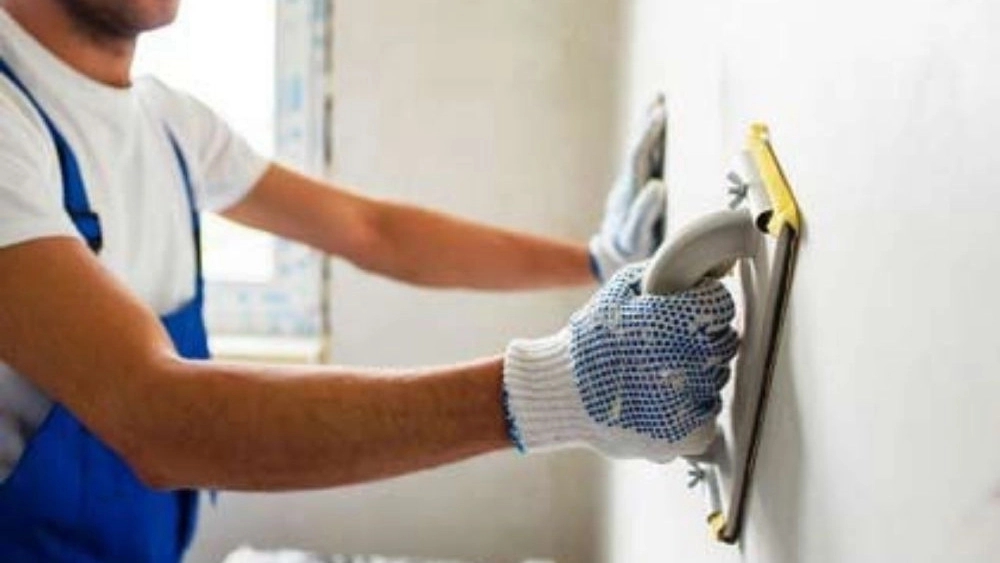
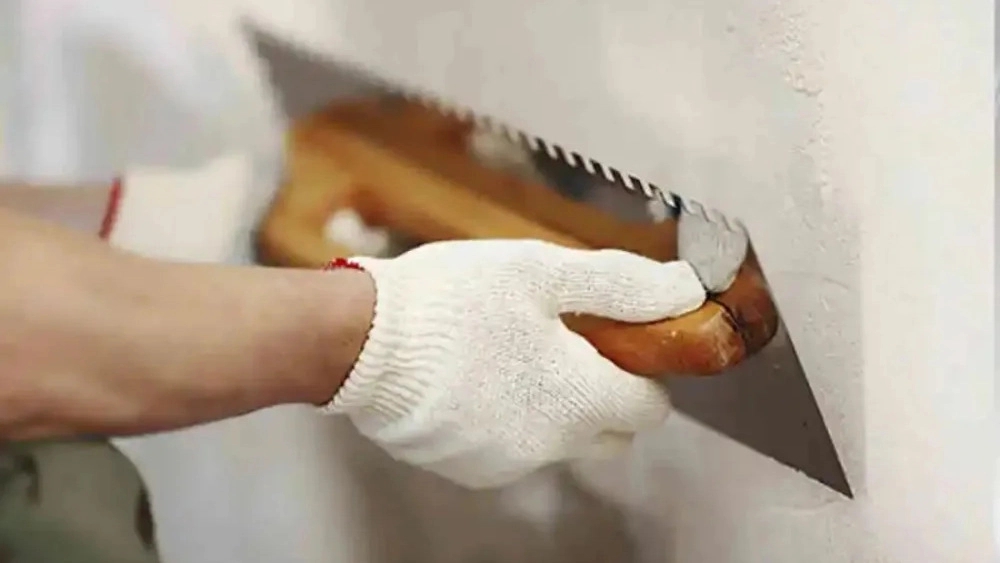


Plastering is one of the important steps in the construction and completion of buildings that have a huge impact on beauty, durability and strength. This process, in addition to creating a smooth, smooth surface on walls and ceilings, also helps to insulate thermal and acoustic. In this article, we examine the importance of plastering, implementation steps, types of plaster and important points in its implementation.
The importance of plastering in the building
Plastering has been one of the most widely used methods of construction from the past. The reasons for the importance of plastering include:
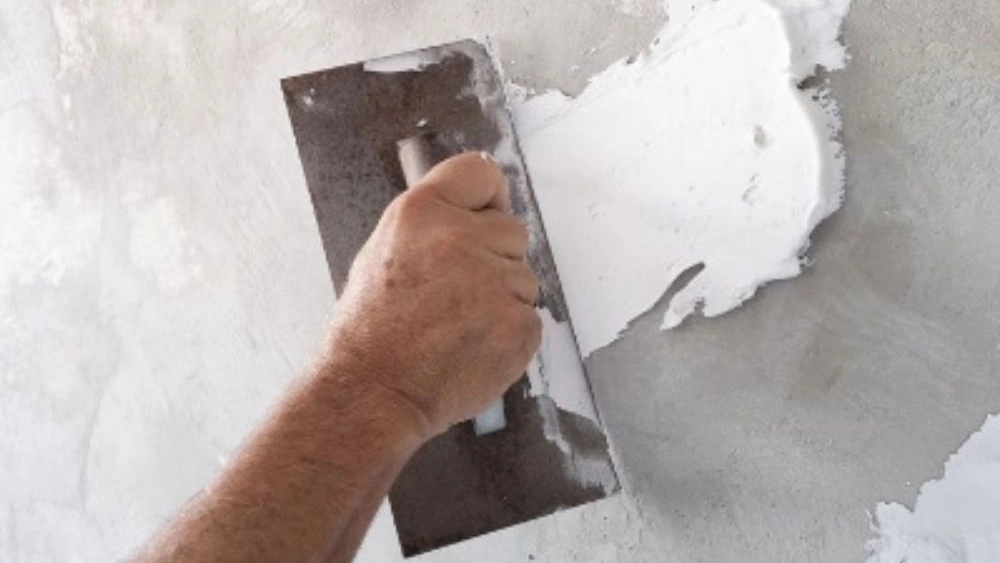
Types of plaster used in gypsum
Depending on the type of project and the need of the building, different types of plaster are used in plaster:
1. Makes.
2. Sattn Plaster: has a soft, polished surface and is used to create high quality coating on the walls.
3. plaster Polymer: is more resistant to moisture and impact and is suitable for humid areas.
4. Gypsy gypsum: has high adhesion and applicable to concrete and cement surfaces.
Stages of plastering
1. Level preparation
• Cleansing the wall from dust, fat and moisture
• repair cracks and abuses with suitable mortar
• Moisturizing the surface if needed to prevent rapid absorption of plaster water
1. Preparation and Mixing Gypsum
• The composition of plaster with water in the appropriate ratio
• Mix to reach a uniform and applicable texture
3. Implementation of primary plaster (infrastructure)
• Run the first layer of plaster of 1 to 2 mm
• Straighten the surface with trowel and sword to prevent abuse
1. Final plastering (procedure)
• Use soft and high quality plaster to create a smooth, uniform surface
• Final payment with trowel and special tool
1. Final Drying and Payment
• Wait until complete drying of plaster
• surface sanding to increase softness and preparation for staining

Important Tips in Plastering
• Use high quality gypsum to prevent cracking
• Observe the right thickness to prevent falling or cracking plaster
• Pay attention to the appropriate ventilation of space for uniform drying of plaster
• Principal implementation and care To create a uniform and beautiful surface
Conclusion
Plastering is one of the most important stages of building thinning, which in addition to improving interior beauty, plays an important role in the quality and durability of the walls. Choosing the right plaster, implementation of principles and compliance with standards will have a great impact on the final result.