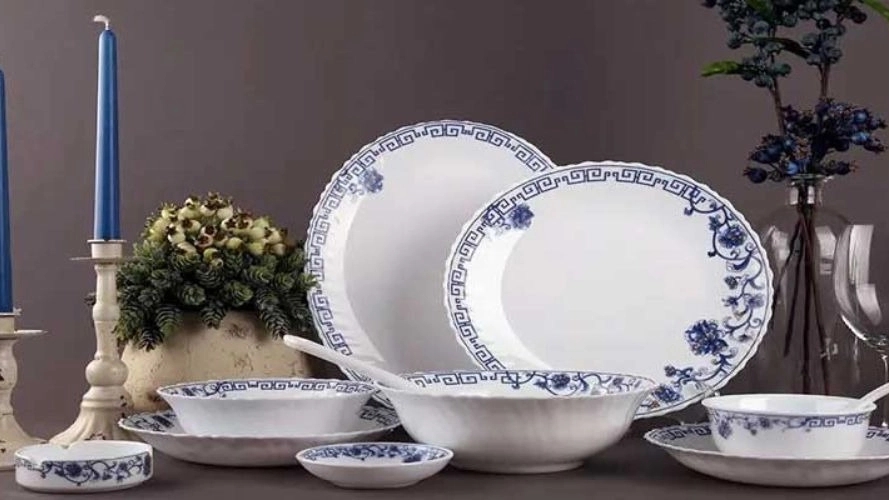
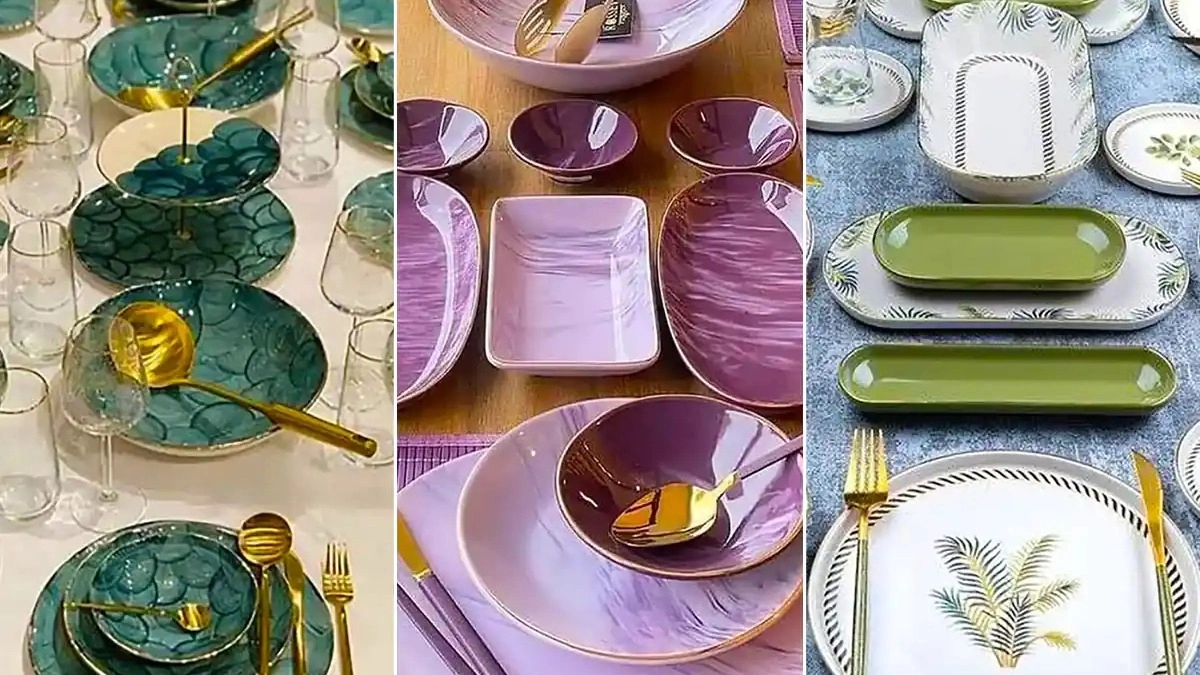

Arcopal containers are something between glass and porcelain, except that they are stronger and more resistant to both. Arcopal containers are divided into two types of Iranian and foreign, with little difference between the two, and their choice depends on the taste of the buyer.
The difference between arcopal and Chinese containers
Choosing the right dishes for food has always been one of the most important concerns of housewives. Two of the most popular containers on the market are Arcopal containers and Chinese dishes. The most important difference between Arcopal and Chinese containers is their weight. Arcopal utensils and services are significantly lighter than Chinese dishes. This makes it easier to move and use them and also reduce the likelihood of falling or impact.
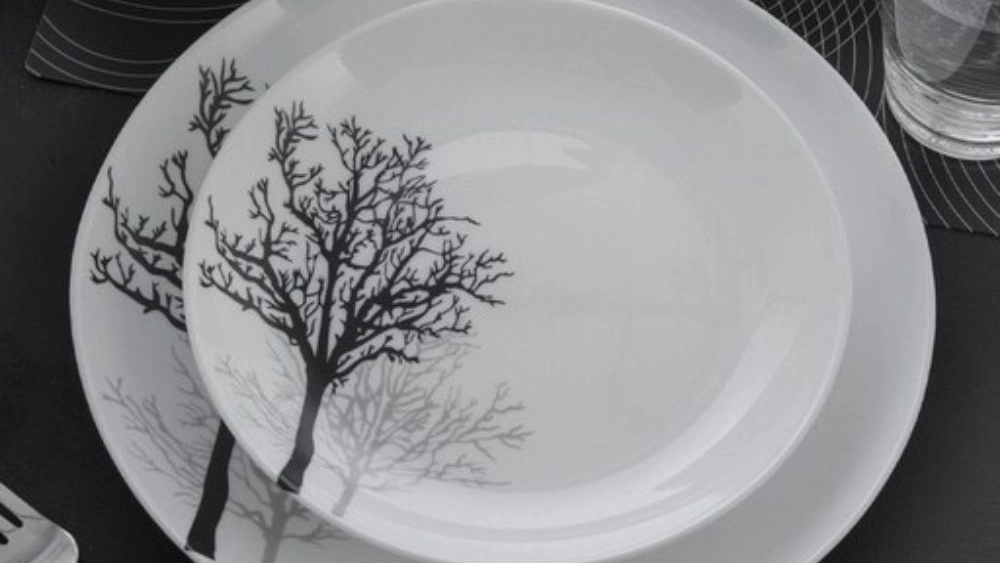
Other differences of Arcopal and Chinese containers include:
Sex:
Arcopal is made of compressed glass with compounds of minerals such as silica, lime, feldspar and sodium carbonate. Chinese is made of kaolin clay with other minerals such as feldspar and quartz.
Strength:
Arcopal is more resistant to impact and fracture than Chinese. This feature makes Arcopal more suitable for use in families with children or in restaurants where dishes are repeatedly moved.
Thermal resistance:
Arcopal tolerates sudden temperature changes and can be transferred directly from the refrigerator to the oven or microwave. Chinese is sensitive to severe temperature fluctuations and may crack or break.
Thickness:
Arcopal is generally thinner than Chinese. This elegance gives a beautiful and modern appearance to Arcopal.
Price:
Arcopal is generally cheaper than Chinese.
Design and Color:
The variety of designs and colors in both types of Arcopal and Chinese containers. However, Chinese offers more classic and traditional designs because of its longer history and intrinsic elegance.
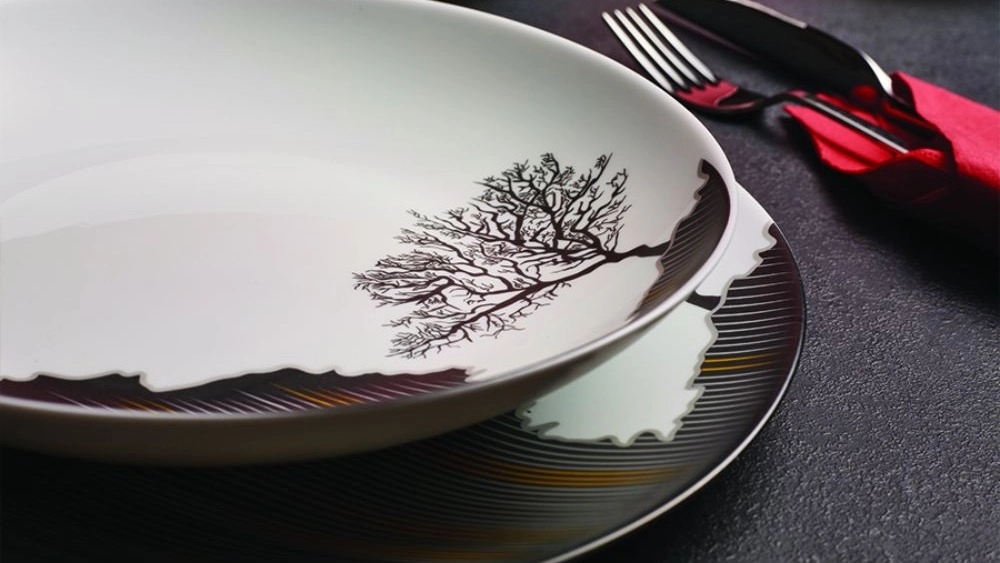
What is the Arcopal Service?
a 6 -person arcopal service usually contains a set of dining containers designed for 6 people. The usual components in such a service are: