
Introduction
Using standard materials in construction is one of the key issues in the field of modern construction. The useful life of a structure, safety of residents, and maintenance costs largely depends on the type of materials used in it. Standard building materials not only guarantee the quality of construction, but also have a direct impact on structural resistance to environmental destructive factors.
Why is it important to use standard materials?
1. Guaranteed the useful life of the building
The useful life of the building is one of the main criteria in evaluating the quality of construction. Standard materials have accurate and controlled technical specifications that can guarantee building resistance to natural and structural factors. These materials include: Standard concrete with appropriate compressive strength Anti -corrosion Quality thermal and audio insulators Without these materials, structures will be prone to early failure, cracking, and erosion against environmental factors.
2. Safety against risky factors
Residents' safety, especially in areas that face risks such as earthquakes or heavy rainfall, is one of the main priorities. Standard materials such as steel, concrete and block are capable of tolerating dynamic forces and environmental pressures and resist foreign forces such as earthquakes.
For example:
Standard concrete can handle compressive and tensile pressures.
Steel with special alloys is highly resistant to earthquakes.
3. Reduce maintenance costs
Using non -standard materials may initially cost less, but in the long run it will increase maintenance costs. High -resistant standard materials reduce early failures and minimize the need for frequent repairs.
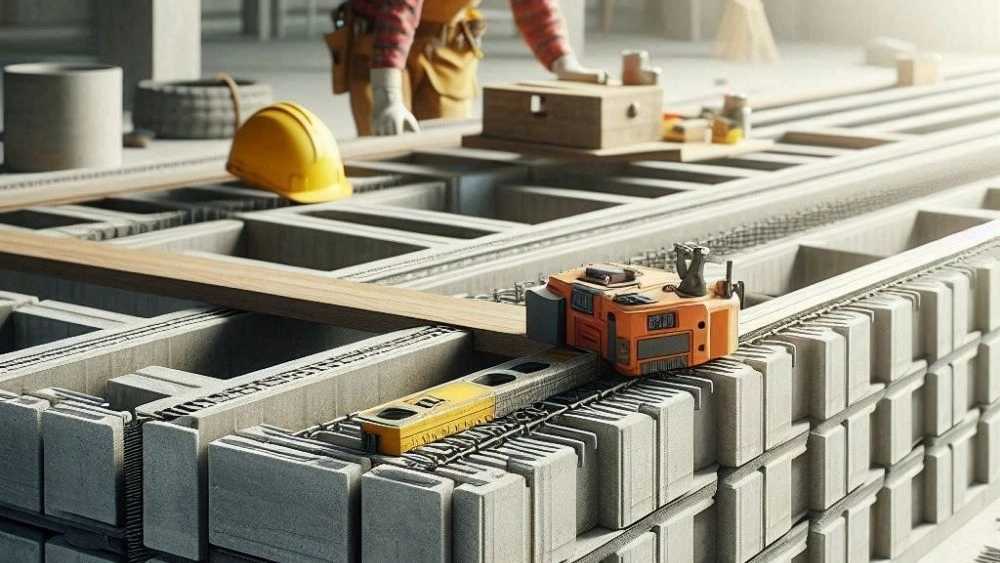
Material required for standard construction
1. Standard concrete
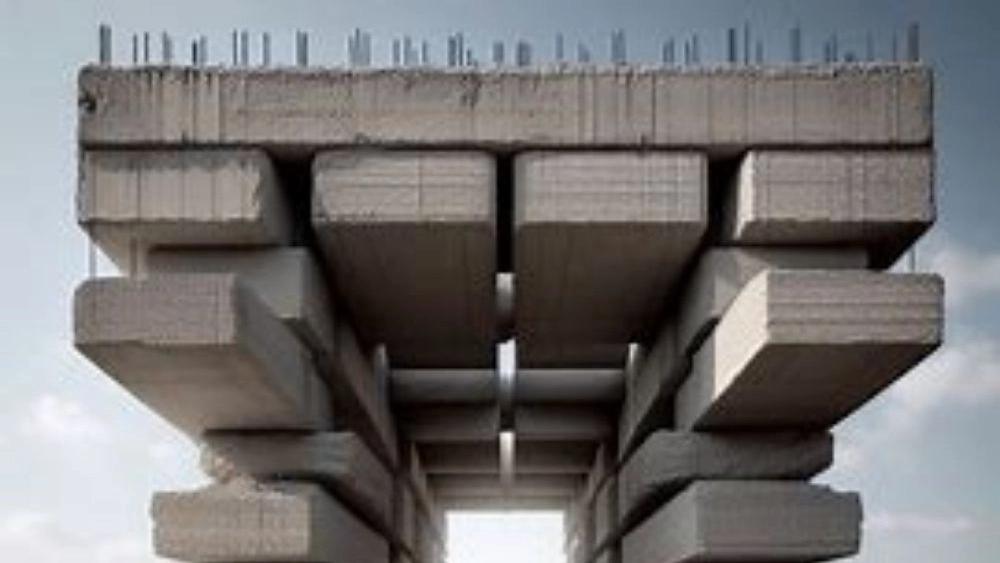
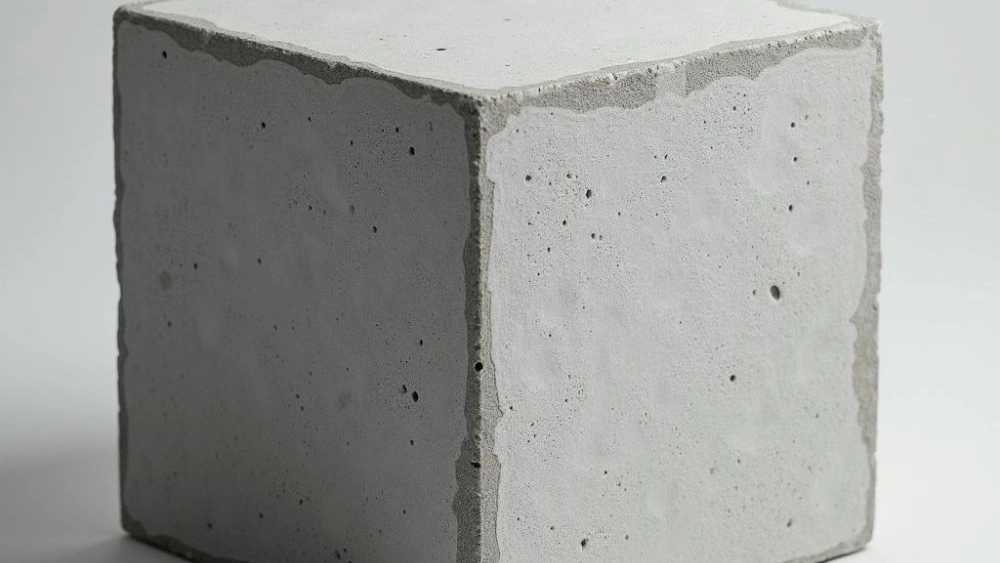
Concrete is one of the most widely used materials in the construction industry. Standard concrete must have the following specifications: The appropriate ratio of water to cement High compressive strength Use of qualitative additives to improve its properties Concrete with the right composition can give the structure more stability and do not deform it against difficult climatic conditions.
2. Standard steel
Steel must have the following specifications to be used in construction: Tensile strength Anti -corrosion Adaptation to national and international standards The use of standard steel, especially in metal skeletons or reinforced concrete, will make the structure more resistant to dynamic and static loads.
3. Standard insulation materials
Heat and high -quality thermal and sound insulators play a key role in reducing energy consumption and improving residents' comfort. In addition to prolonging the life of the building, these materials also reduce heating and cooling costs.
The impact of standard materials on the environment
One of the main benefits of standard building materials is the reduction of environmental effects. How? Optimal use of raw materials Using advanced technologies in the production and consumption of less raw materials, standard materials have less impact on the environment. Reduce building waste The longer life of the standard material reduces the lesions caused by repair or early destruction.
The benefits of using standard materials in Gilan
Gilan province, with its specific climate conditions, including frequent rainfall and high humidity, requires the use of high quality and resistance materials. The use of standard materials in this area includes the following advantages: Preventing corrosion and erosion of materials due to wet condition Increased structural strength against environmental pressures Ensure long -term durability of the building against heavy rainfall
The role of standard materials in reducing building accidents
One of the main concerns in the construction industry is the reduction of accidents caused by destruction or weakness of the materials. Using standard materials can: Reduce the likelihood of cracking or cracking. Guarantee the safety of residents. Reduce the legal responsibilities of the contractors.
Conclusion
Using standard materials in construction not only increases the useful life of buildings, but also prevents high maintenance costs and increases residents' safety against environmental risks. From the importance of standard concrete to proper insulation, the quality of materials made of material makes a huge difference in durability and performance of structures.