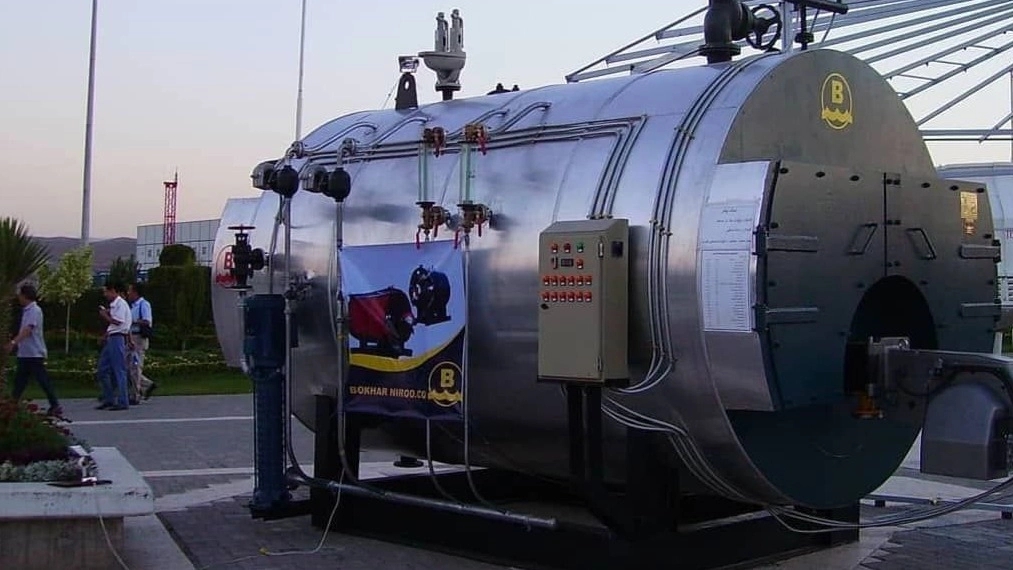
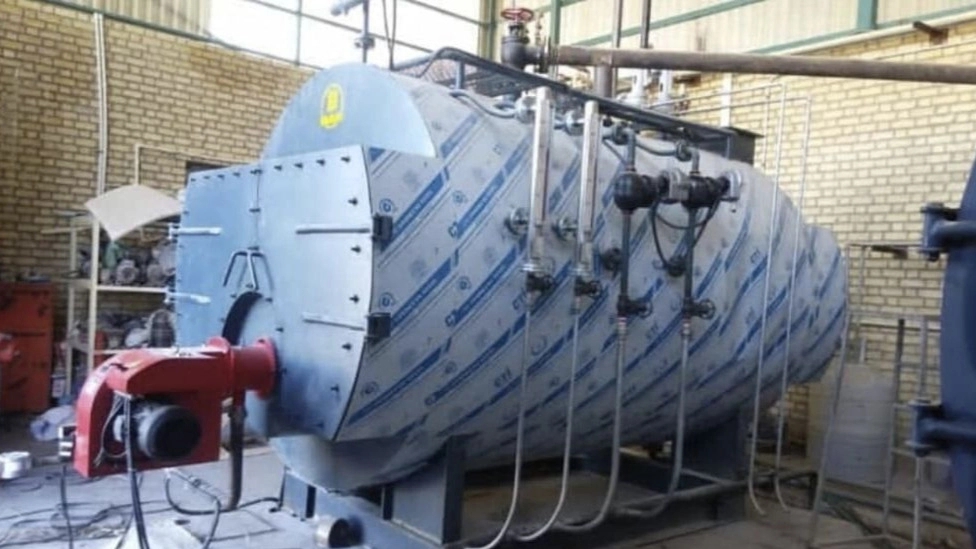
steam boilers, as the beating heart of many industries, including power plants, oil and gas industries, petrochemicals, food and pharmaceutical industries, play a vital role in supplying energy and product production. Due to the increasing increase in energy costs and environmental concerns, performance optimization and reduction of boilers' emissions are of particular importance. In recent years, significant advances have been made in boiler technologies that have led to increased efficiency, cost reduction and environmental protection. This article examines the latest technologies in steam boilers.
Latest technologies in steam boilers: Increasing efficiency, reducing costs and protecting the environment
1. High efficiency boilers:
Condensing boilers:
These types of boilers significantly increase the efficiency by using the heat exhaust heat. In the condensate boilers, the outlet steam from the boiler, before leaving the chimney, contacts the inlet cold water and transfers part of its heat to the water. This causes the steam density and release of the hidden heat, which helps in the heating of the inlet water. The efficiency of the density boilers can reach up to 98%.
Steam boilers with heat recovery:
These types of boilers use lost heat in industrial processes to produce steam. In many industries, a lot of heat is wasted in the form of exhaust gases, hot water, etc. The steam boilers can absorb this lost heat and use it to produce steam by heat recovery. This will reduce fuel consumption and reduce emissions.
Steam boilers with advanced control systems
Using advanced control systems and automation in boilers allows performance optimization and reduced fuel consumption. These systems constantly monitor the various boiler parameters, including temperature, pressure, water level and fuel, using sensors and control algorithms and make the necessary settings to achieve maximum efficiency.
2. Advanced and Automation Control Systems:
Distributed Control Systems (DCS): These systems allow control and monitor all boilers seamlessly.
Programmable logic controllers (PLCs): These controllers use computer programs to control the processes of these systems: Of advanced sensors and software, they allow for continuous monitoring of boiler performance and early detection of problems.
3. Pollution Reduction Technologies:
Low NOX TVs: These burners help reduce air pollution by reducing the production of nitrogen oxides (NOx). NOX is one of the most important air pollutants that cause acid rain and respiratory problems. Low NOX burners reduce NOX production by using a variety of methods, including reducing the temperature of the flame, reducing oxygen levels and using the recycling systems of the output gases.
Output Gase Purifiers: These systems help reduce air pollution by removing contaminants in the gas outlet. There are various types of output gas purification systems, each designed to remove a specific type of pollutants. For example, scrubbers are used to remove suspended particles and acidic gases, while bag filters are used to remove fine particulate matter.
Using clean fuels : Using clean fuels such as natural gas and biogas helps reduce air pollution. Clean fuels produce less pollutants than fossil fuels such as oil and coal.
4. Modern materials:
Corrosion -resistant alloy steels: Using these steels increases the useful life of the boiler and reduces maintenance costs.
Nanotechnical thermal insulation: Using these insulators reduces heat loss and increases boiler efficiency.
5. Forecasting maintenance:
Using Vibration and Temperature Sensors: These sensors allow early detection of mechanical and thermal problems.
Oil and boiler water analysis: These analysis allows for the detection of corrosion and sedimentation.
6. solar steam boilers:
These types of boilers help reduce fossil fuel consumption and reduce air pollution using solar energy to produce steam. Solar steam boilers use solar collectors to collect solar energy and heat water. Heated water then enters the boiler and produces the steam.
7. IoT (IoT) and steam boilers:
The use of IoT technology in the boilers enables more and more accurate data collection, instantaneous monitoring of boiler performance and presenting analytical reports. This information can be used to optimize boiler performance, reduce costs and increase safety.
new technologies in boilers allow increased efficiency, cost reduction and environmental protection. Using these technologies can help various industries improve their performance while at the same time help protect the environment. Given the growing advances in boiler technologies, we are expected to see more innovations in the future.