



Introduction
Tabriz, as one of the industrial hubs of Iran, especially in the field of ceramic production, plays an important role in meeting the domestic needs and export of this product. In the meantime, glazing lines as the beating heart of the industry have a significant impact on the quality, beauty and durability of ceramic products. Choosing and installing these lines correctly requires full knowledge of the different types, features, advantages and disadvantages of each, as well as environmental conditions and manufacturing needs of the industrial unit. In this comprehensive article, we will provide a detailed review of this issue and provide a complete guidance for the purchase and installation of glazed lines in Tabriz. Our goal is to improve the quality of products and increase the productivity of ceramic production units in the area.
Why are glazing lines important?
Glazing is a vital process of ceramic production that has many advantages: Increased strength and durability: The glaze layer protects the ceramic body against environmental factors, impact and abrasion and extends its lifespan. Creating beauty and variety: Glazes are available in a variety of colors, designs and textures and give ceramic products attractive and pleasant. Improving Health and Safety: The glazed level is impermeable and healthy and prevents the growth of bacteria and fungi. Increased chemical resistance: Glazers make ceramics resistant to corrosive chemicals and allow them to be used in acidic and alkaline environments. Ease of cleaning: The smooth and polished surface of the glaze makes the cleaning easier and prevents the absorption of contaminants.
Types of glaze lines
glaze lines are divided into different types based on the type of glaze, the method of applying it, and the type of product product: Powder glaze lines: In this method, the glaze is powdered on the ceramic surface and then cooked in the furnace. This method is suitable for glazing large and complex parts.
Liquid glazing lines: In this method, the glaze is liquid on the ceramic surface of the spray, rolled or immersed and then cooked. This method is suitable for glazing of small and medium -sized parts with high circulation.
Digital glazing lines: This is the latest and most advanced glazing method that prints different designs and colors directly to the ceramic surface using digital printers. This method is suitable for creating complex and custom designs. Traditional glazing lines: In this method, the glaze is applied to the ceramic surface using manual tools such as brush and sponge. This method is suitable for glazing of art and decorative parts.
The main components of glazed lines
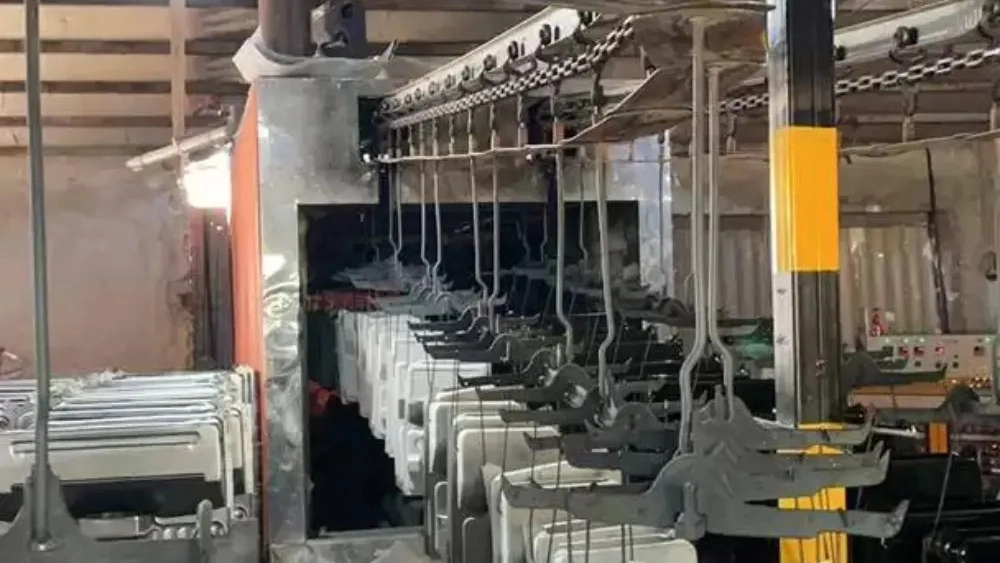
A complete glazing line consists of different components, each with a specific task: Surface Preparation System: This system includes cleaning, fat deterioration and ceramic surface activation. Glaze System: This system includes spraying, rolling, immersion or glaze printing on the ceramic surface. Drying System: This system contains heating tunnels that dry the glaze before entering the furnace. Baking Furnace: This furnace cooks the glaze at high temperatures and attaches it to the ceramic surface. Cooling System: This system cools the glazed ceramic parts after exiting the furnace. Quality Control System: This system examines the quality of glazing and ensures the absence of defects. Automation System: This system automatically controls the glaze process and increases productivity.
Steps to buy glaze lines
Buying glazing lines is an important investment that requires a great deal of planning and precision. The main steps for buying these lines are: 1- Determining the needs and goals: At this point, you must specify the type of product, production capacity, the type of glaze used, and the budget available.
2- Research: At this stage, you should check the different types of glazing lines, features, advantages and disadvantages of each, as well as reputable manufacturers and supplies.