
Introduction
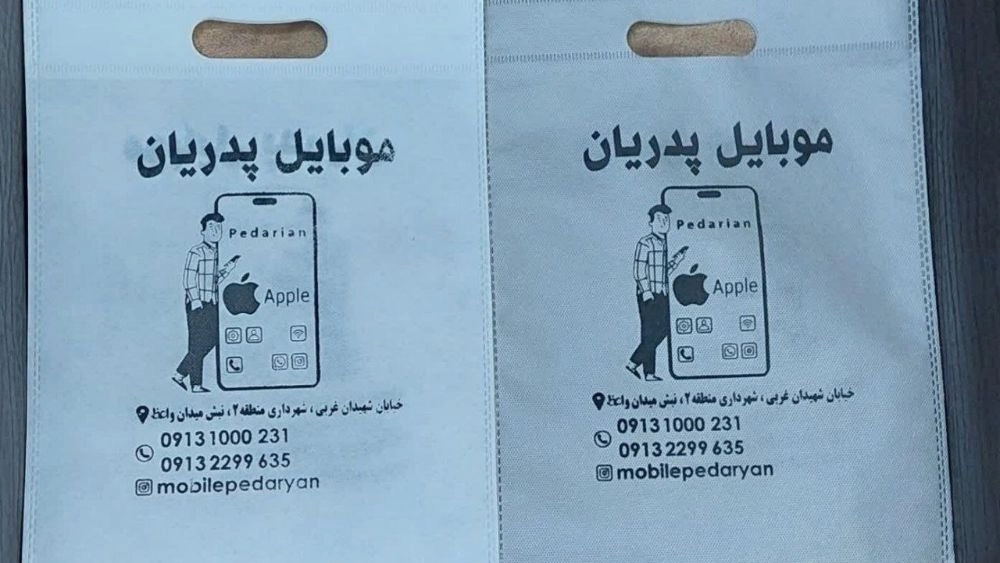
Silk printing is one of the most popular and practical methods in the printing industry that has been able to find a special place among printing methods due to its high quality, flexibility in execution, and the cost of designing and printing on a variety of levels. The production of templates is of particular importance in this method and can be said to be the key to success in silk printing, the design and performance of the template. In this article, we will thoroughly review the silk printing and how to produce templates and introduce Shafi'i Silk Printing Services
What is Silk Printing?
Silk printing features
The production of templates in silk printing
Temple production steps
Choose the right grid: The lace on the market varies in density and sex. More density meshes are suitable for delicate prints, while low -density lace is suitable for larger designs.
Frame or Frame Preparation: The template frame is usually made of wood or metal and must be resistant. The lace is stretched precisely on the frame so that it is not moved at the time of printing.
Transfer of the plan to the lace: The design is first printed on paper or film, and then the design is transferred to the temple lace using light -sensitive materials. The use of the exposure process stabilizes the design on the lace.
Temple wash: After exposure, the template should be washed to open the unnecessary parts of the design and determine the paint passage.
Preparation for Printing: The prepared template is placed on the desired surface and the printing process begins.
How is silk printing?
1. Printing level preparation The desired surface that can be fabric, paper, or even metal must be clean and smooth so that printing can be done in the best way.
2. Putting the template The template produced is located on the printing surface and fixed using special clamps so that it does not move at the time of running.
3. Apply the color Silk printing colors are drawn on the template using spatches or devices. The color passes through the open parts of the template and the design is transferred to the surface.
4. Dry After printing, the designed surface should be completely dry. This can be used to use heat dryers or open air.