Introduction
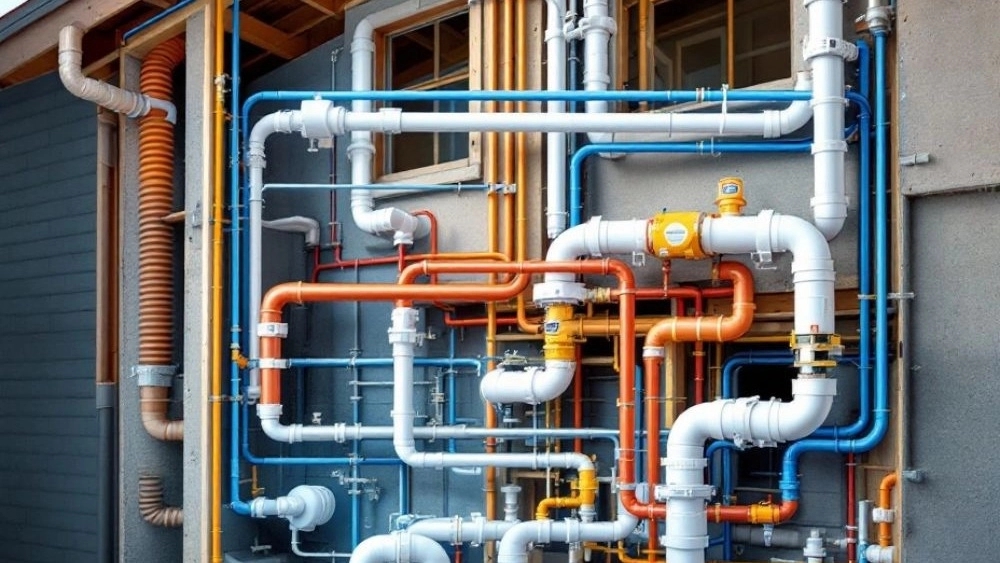
In today's world, access to healthy and reliable water is a fundamental right to human societies. Water supply systems, as the critical arteries of urban and rural development, play a role in providing this need. At the heart of these systems are pipes and fittings that are responsible for transferring water from basic sources such as wells, dams, and rivers to refineries and then to the end consumers. The importance of these components is such that any defects or inefficiency in them can lead to massive water loss, pressure reduction, contamination, and ultimately disruption to healthy drinking water.
Therefore, understanding the role and importance of pipes and fittings in modern water supply systems and familiarizing them with the technologies and modern materials used in them is essential. This article will examine this vital role, the types of pipes and fittings used, the challenges available in these systems, and the importance of selecting reputable centers to provide these items. Also, by looking at the services and products provided by Abolfazl tools in Zahedan, as a reliable source in this area, we will emphasize the importance of reputable suppliers.
Importance of water supply systems
Modern water supply systems are more than one network of water transfer. They are the spine of public health, economic development and environmental sustainability. Providing healthy and hygienic water for home use, including drinking, cooking, and personal hygiene, prevents contaminated water diseases and helps improve community health. In the agricultural sector, efficient water supply systems provide optimal irrigation of crops, which increases productivity and food security. In the industry sector, water is also used as a vital raw material in many manufacturing processes, and reliable water supply systems are essential for the continuation of industrial activities.
In addition, water supply systems play a vital role in extinguishing fire and preventing damage in emergencies such as fire. The inefficiency in these systems can result in a large volume of water due to leakage and burnout, which is very critical in arid and semi -dry areas where water resources are limited. Therefore, investing in modern and high quality water infrastructure is the future investment of societies.
Types of pipes used in water supply
The selection of pipes in water supply systems depends on several factors including system pressure, temperature, water type (drinking, agricultural, industrial), soil conditions, cost and expected life. With the advancement of technology, new materials have been introduced for the production of pipes, each with its own advantages and disadvantages.
Polyethylene pipes (PE)
Polyethylene pipes have quickly replaced many traditional tubes due to their favorable physical and chemical properties. These pipes are very light that makes it easy to transport and install them. Their high resistance to internal and external pressure, impact and abrasion makes them appropriate for use in different conditions. Polyethylene is resistant to chemicals in water and soil and does not corrode and rust, which helps maintain water quality.
Also, the flat surface of the polyethylene pipes reduces pressure drop and prevent sedimentation. These pipes perform well at different temperatures and do not even fragile at temperatures below zero. The thermal welding capability of polyethylene pipes provides sturdy sealing joints that prevent water leakage. PE pipes are manufactured in different types such as PE 80 and PE 100 with different workouts and are used for drinking water distribution networks, pressure irrigation, sewage transfer and industrial pipelines.
PVC pipes
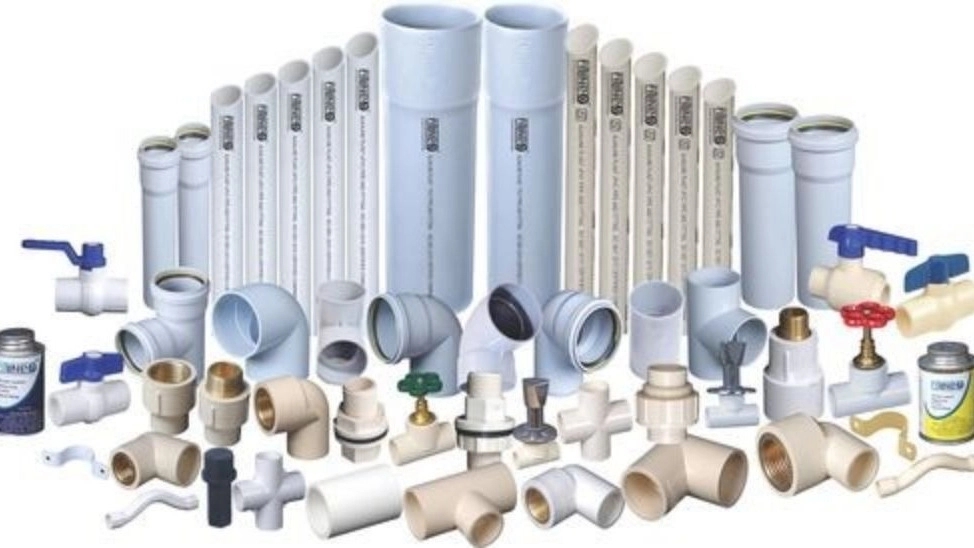
Polyvinyl chloride (PVC) pipes are also one of the most commonly used options in water supply systems. These pipes are more economical because of their lower cost of production than some other materials. Installing them is relatively easy to install because of its lightness and simple connection methods such as gluing or using gaskets. PVC pipes are also resistant to corrosion and chemicals and are used to transport drinking water, sewage and irrigation networks.
However, PVC pipes are less resistant to impact and pressure than polyethylene pipes and are fragile at lower temperatures. Also, at high temperatures, their physical properties may be affected. Despite these constraints, PVC pipes are still used in many water supply projects for economic justification.
Steel pipes
Steel pipes, especially carbon steel and stainless steel pipes, are used because of their extreme durability and durability in harsh conditions and for high pressure water transfer. Carbon steel pipes with proper interior and exterior can be protected against corrosion, but are susceptible to rust if damaged. Stainless steel pipes are highly resistant to corrosion and are used to transport water in corrosive and sensitive environments where water quality is very important, such as the pharmaceutical and food industries.
Steel pipes are a good option for high diameter water transmission lines and high pressures, as well as in earthquake -risk areas due to relative flexibility. However, steel pipes are heavier than plastic pipes and require more equipment and skills. Also, the cost of steel pipes, especially stainless steel, is higher.
Fittings in water supply systems
Connections are the vital parts of the water supply system that connect the pipes to each other, to valves, pumps and other equipment. The quality and type of joints have a direct impact on the sealing of the system, pressure loss and its life expectancy.
Types of connections
There are different types of connections for different pipes, each with its own connection and application:
Welding fittings: These types of joints are used for metal pipes (steel) and some plastic pipes (such as polyethylene). In steel pipes, the bonding is metal welding, and in polyethylene pipes, thermal welding (lip or electrophogenic) is used. Welding joints create very solid and permanent connections that are resistant to high pressure and stresses.
Gear: These connections, most commonly used for small diameter metal pipes, are made using male and female ribs and sealing with Teflon strips or special dough. Their installation is relatively easy, but they are exposed to leakage if installed inappropriate or burnout.
Compressive fittings: These joints are used for plastic pipes (such as polyethylene and PVC) and sometimes soft metal pipes (such as copper). In this way, by tightening a nut, a ring is compressed around the tube and creates sealing. Their installation is fast and easy and does not require any special tools or skills. These connections are suitable for moderate work pressures.
Flupe joints: These joints are used for large diameter pipes, especially in areas where repeated opening and closing (such as connecting to large valves and pumps). The two flanges are welded or screwed to the two ends of the pipe or equipment, and by placing a gasket between them and tightening the bolts, the sealing connection is created.
Coupling fittings: These connections are used for quick and easy connection of different pipes, especially in repairs and branches. There are various types of coupling that some do not require special tools and some are tightened using bolts.
Adhesive fittings: These connections are used for PVC pipes. Using a special glue, two pieces of pipe or connection are attached and sealing. Their installation is fast and easy, but less resistant to high pressure and temperatures.
Importance of the quality of connections
The quality of connections is as important as the quality of the pipes. A low -quality or inappropriate connection can be the weakness of the system and lead to serious problems. Leakage in joints not only waste water, but can also lead to reduced pressure in the system, water pollution due to the entry of foreign substances, as well as damage to surrounding infrastructure (such as roads and buildings). Quality connections should be resistant to system working pressure, water temperature, available chemicals and mechanical stresses. Proper sealing, corrosion resistance and long life are high quality fittings. Using invalid and non -standard connections can greatly increase the maintenance costs of the system and reduce its useful life. Therefore, when designing and running water supply systems, selecting quality connections and reputable brands is vital.
Conclusion
Pipes and fittings are the fundamental elements of modern water supply systems. The efficiency, reliability and lifespan of these systems are strongly dependent on the quality, type and how these components are installed. The correct selection of pipes is of great importance based on working pressure, temperature, type of water and environmental conditions, as well as the use of quality and appropriate fittings. The precise design of the hydraulic systems, including hydraulic calculations and potential challenges such as burnout and natural disasters, is essential to ensure optimal and sustainable system performance.
Given the critical importance of water supply systems for the development and health of communities, investing in high quality infrastructure and the use of standard materials is essential. Authentic suppliers, such as Abolfazl tools in Zahedan, play a key role in the successful implementation of water projects by presenting quality products, diversity in selection and specialized advice. The right choice of these centers assures customers that they use the best materials and equipment for their systems.
Finally, paying attention to the right design, the exact selection of pipes and fittings, and collaborating with valid suppliers, are key points that should not be overlooked. Using these factors, it can help improve and improve the quality of water supply services in different societies and prevent the loss of this valuable source. The future of communities depends on sustainable access to healthy water, and pipes and fittings are at the forefront of this vital battle. Investing in the quality of these components is investing in the future healthier and more stable.