Types of hydraulic fittings
1. Threaded connections
2. Compressive fittings
3. Flangular connections
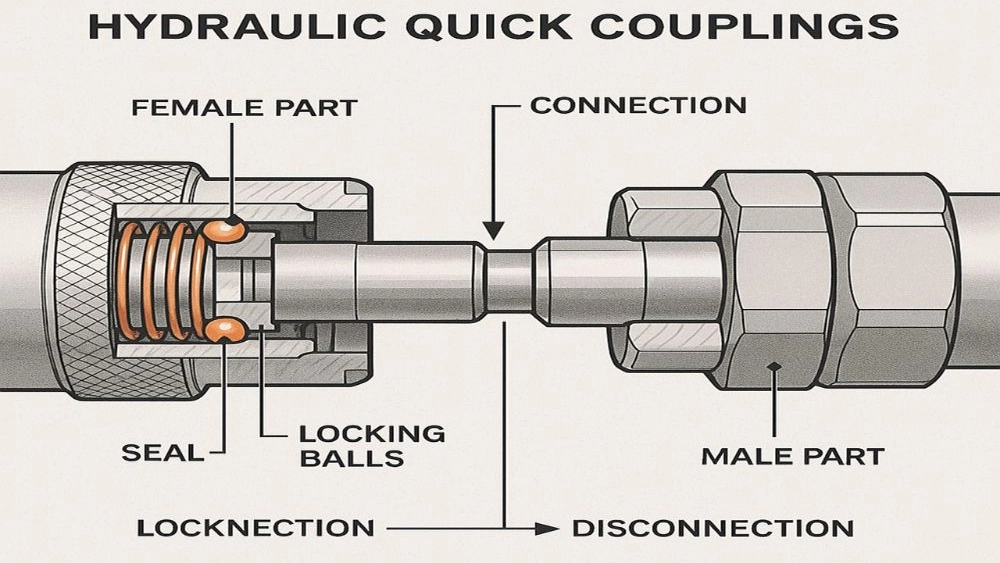
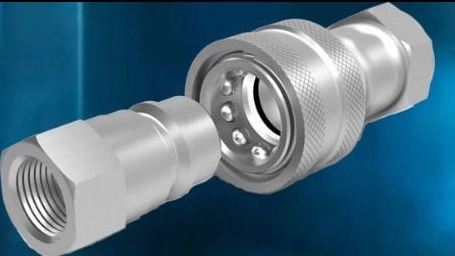
4. Fast connections
5. Welding connections
This type of connection is connected directly to the pipe or other equipment using welding. Welding connections are a good option for systems that require high durability and power.
Application:
Oil and gas industry
Manufactured factories with high pressure lines
Application in water and steam distribution networks
Applications of hydraulic fittings in different industries
Hydraulic connections are used in various industries depending on their various capabilities and designs. This section examines the key applications of these connections in the most important industries.
1. The oil and gas industry
In the oil and gas industry, high -resistance hydraulic joints are usually used. These connections are used in petroleum transmission lines, drilling equipment and refineries due to their ability to work in harsh conditions.
2. Automotive Industry
Hydraulic hoses and fittings are widely used in automotive brake systems, power transmission and assembly equipment in the automotive industry.
3. Agricultural Industry
Hydraulic fittings are used in different parts of agricultural machinery, such as tractors, combine and pressure irrigation systems. These fittings help to make more efficiency and reduce maintenance costs.
4. Mining Industry
Machinery and equipment used in mines require hydraulic connections that can withstand high stress and mechanical kicks. These connections are used in drilling, extraction and transportation equipment.
5. Building Industry
In the construction industry, a variety of hydraulic fittings are used in cranes, excavations and other heavy machinery. These connections have high pressure and temperature tolerance and guarantee the safe performance of the devices.
6. Petrochemical Industries
Chemical fluid transmission lines, processing equipment and refining systems require corrosion -resistant connections. Flangi and threaded connections are common options in this section.
Important points in selecting hydraulic connections
Choosing the right hydraulic fittings can play an important role in improving system performance. The following are the key points for the right choice:
1. The type of fluid and work pressure
To select the right connection, the type of fluid and the system's work pressure must be checked. For example, stainless steel or plastic fittings should be used when working with corrosive fluids.
2. Environmental conditions
The ambient temperature, the amount of humidity and the physical conditions of the place of use of the hydraulic system are effective in selecting the appropriate fittings.
3. Quality and standards
Hydraulic joints must be manufactured in accordance with international standards to ensure their proper safety and function.
4. Corrosion resistance and heat
In industrial applications where chemicals or high heat are present, connection resistance is of particular importance.
Conclusion
Hydraulic joints are a vital part of hydraulic systems that can ensure the efficiency, safety and durability of the system. In various industries such as oil and gas, automotive, mining and building, the use of all kinds of hydraulic joints is essential.
To purchase a variety of high quality hydraulic fittings in accordance with international standards, it is recommended to visit https://behzi.ir/business/12466. This website is a complete reference for the purchase of products related to hydraulic systems and other industrial equipment.