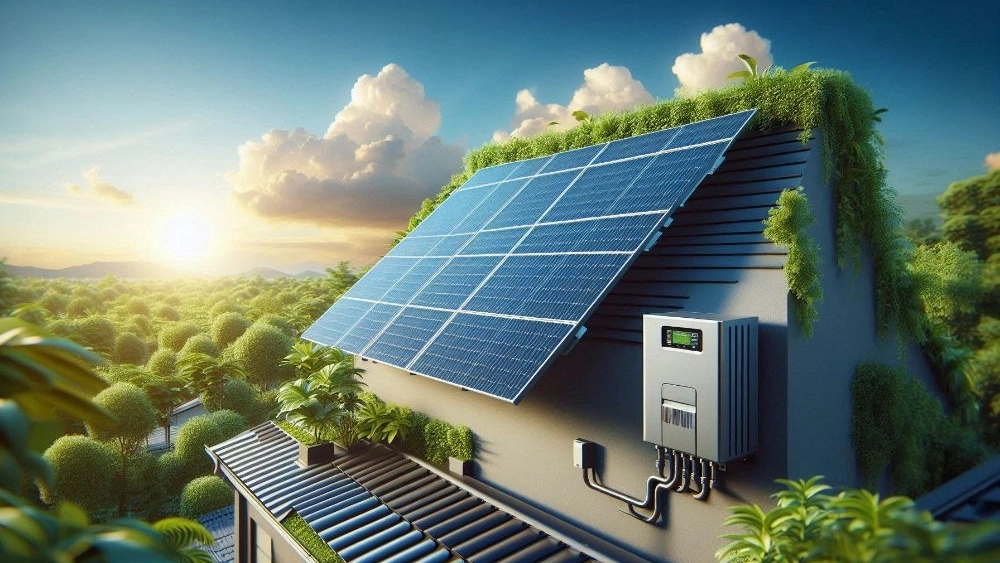
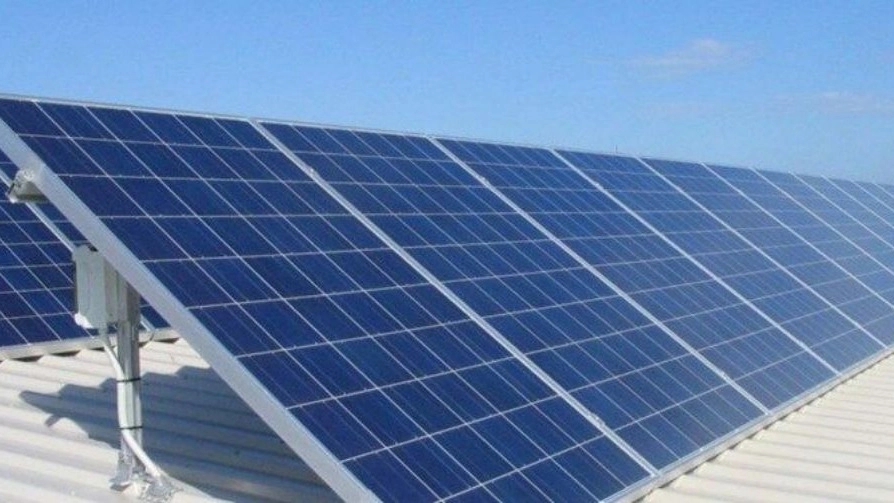


What is a solar inverter?
Types of solar inverters
1. Inverters connected to the network (GRID-TIED INROVER)
Features:
Applications:
Suitable for homes and industries in areas that are connected to the power grid.
Reduce the cost of electricity consumed by compensating for production.
2. Network-independent inverters (Off-Grid Inverter)
These types of inverters are for solar systems independent of the network and use solar and battery panels to power.
Features:
Need storage battery
Ideal for remote areas without access to urban electricity
Ability to operate in offline conditions
Applications:
Use in villas, gardens or remote houses
Providing energy for areas that are not connected to the power grid.
3. Combined inverters (hybrid inverter)
Combined inverters can be used in network -independent systems. These inverters synchronize the generated energy between the battery and the power grid and determine the priority of using resources.
Features:
Power storage capability in battery
Connect to the power grid or independent use
Automatic adjustment of energy distribution
Applications:
Suitable for homes and industries with the need for backup electricity
Reduce costs through surplus energy storage.
4. Micro-inverters (Micro-Inverter)
Small or micro inverters are used separately for each solar panel and optimize the performance of each panel.
Features:
The performance of the performance of each panel
Suitable for small or complex systems
Increase energy productivity
Applications:
Using in environments with non -sunny sunlight
Ideal for small -scale solar systems
Applications of solar inverter in solar systems
1. Optimization of energy production
Solar inverters increase the efficiency of the system by adjusting the current produced by the panels.
2. Convert voltage to use in electrical appliances
Inverters play an essential role in converting the power panel to a voltage usable in electrical equipment.
3. Control and monitor the solar system
Many modern inverters allow monitoring system performance, energy production and storage.
The Benefits of Selecting High Quality Solar Inverters
1. Increased the life of the solar system
Choosing the right and high quality inverter can extend the useful life of your entire solar system.
2. Reduce maintenance costs
High quality inverters need less repairs and reduce maintenance costs in the long run.
3. Sustainable performance under different conditions
High quality inverters have a consistent performance in different environmental conditions.
Conclusion
Solar inverters, as a vital part of solar systems, have a direct impact on the performance and performance of these systems. Choosing the right type of inverter for homes or industrial environments requires careful examination of the energy needs and identify the different types of these equipment.
Parto Solar Company with a brilliant experience in designing, selling and installing solar inverters in Arak is a reliable choice for high quality services. If you are looking to reduce energy costs and use advanced solar equipment, now it's time to contact the Solar beam.