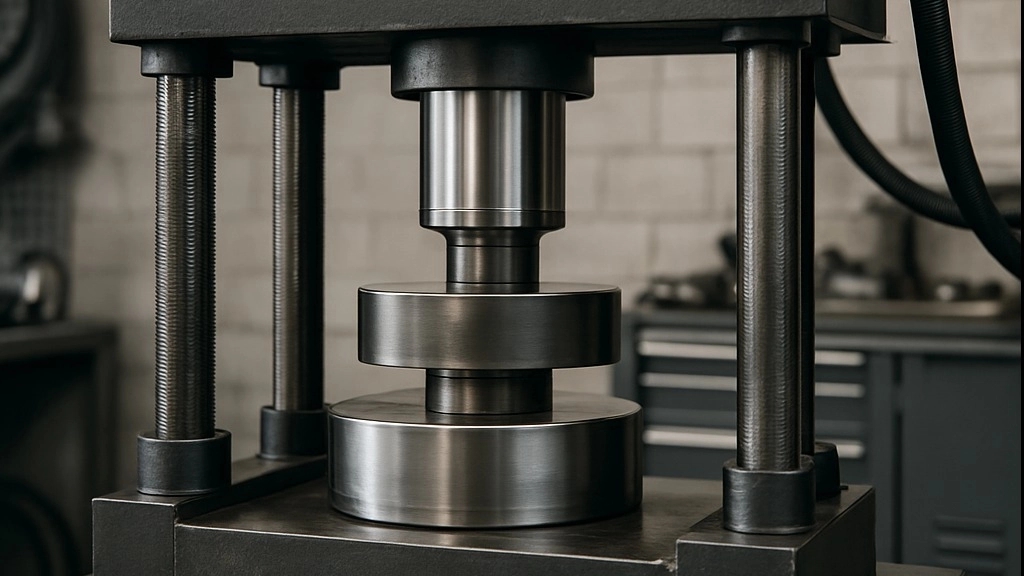
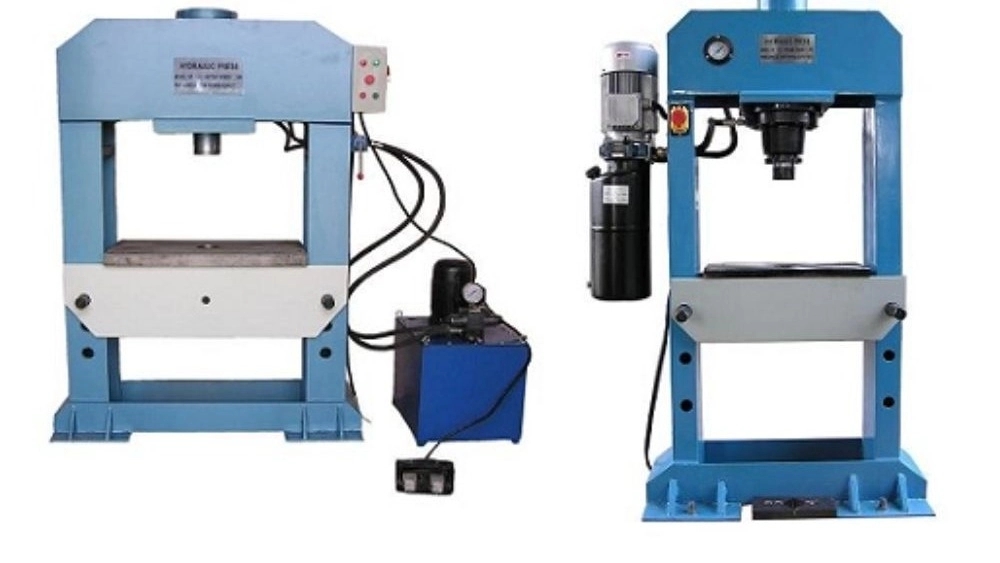
Hydraulic presses of the spine are many industries, from automotive and metalworking to home appliances and industrial parts. These powerful machines perform various operations, including forming, cutting, bending, and assembly using fluid force. The efficiency, accuracy and reliability of hydraulic press affect the quality and speed of production directly. However, like any other industrial machine, hydraulic press also requires regular maintenance to maintain optimal performance and ensure long life. Lack of attention to the maintenance of hydraulic press not only reduces efficiency and costly failures, but can also endanger the safety of the workplace. In this comprehensive article, we will examine the most important tips for maintaining hydraulic press and strategies to extend the life of your hydraulic press. Our goal is to provide a practical guide to help you maximize your productivity in the field of hydraulic press and ensure quality hydraulic press services and parts.
Why is regular storage of hydraulic press vital?
Hydraulic press maintenance is not just a cost of overhead, but also a clever investment that has many advantages:
1. Extension of equipment life: The most important result of holding hydraulic press is to postpone exhaustion and significantly increase the useful life of the device. Parts that are properly lubricated, adjusted and inspected are much defective and damaged. This helps to extend the life of hydraulic press in general.
2. Maintain Optimized Function and accuracy: A well -maintained hydraulic presses provide accurate pressure, speed and positioning. This is essential for the production of quality components in accordance with the required tolerances.
3. Decreased Disadvantages and Stop Production Line Stop: Preventive maintenance by identifying and resolving small problems before turning into major defects prevents sudden and costly stops in the production line. Every minute of the production line means losing time and money.
4. Increased safety: worn or defect components in hydraulic and electrical systems can be very dangerous. Hydraulic press maintenance includes careful examination of safety systems, confidence valves and sensors that help prevent accidents.
5. Reducing the costs of repair and replacement parts: Replacing a small piece in the early stages of burnout is much cheaper than repairing or replacing a complete system after disaster failure. Keeping a hydraulic press helps you manage the costs.
6. Optimization of Energy Consumption: a properly operating hydraulic system consumes higher energy efficiency. Leaks, worn pumps and broken valves can dramatically increase energy consumption. Hydraulic press maintenance helps reduce these waste.
Given the importance of hydraulic press in manufacturing processes, the formulation and implementation of a comprehensive hydraulic press maintenance program is not only recommended, but also for any workshop or factory that uses these machines.
Daily Hydraulic Press Maintenance Checklist
An important part of the life of the hydraulic press begins with simple measures that operators can do daily. This short checklist helps to identify early problems:
Check Hydraulic Oil Level: Make sure the oil level in the tank is in the permitted range. The low surface of the oil can cause cavitation of the pump and serious damage.
Visual inspection of leaks: around cylinders, hoses, fittings and valves look for any oil leakage. Even small leaks can be a sign of a more serious problem.
Listen to abnormal sounds: Check the pump, engine and other moving components. Abnormal sounds such as loud whisper, impact or screaming can indicate a problem in the pump, air in the system or worn components.
Oil temperature check: Oil temperature should not be too high. Excessive heat can damage the oil and damage the parts.
Initial Performance Review: Do a few hydraulic press and make sure the soft movement and proper accountability.
These daily studies are simple but crucial and play an important role in maintaining hydraulic press and prevention of larger problems.
Periodic and planned (weekly/monthly) maintenance
In addition to daily reviews, a hydraulic press maintenance program should include deeper inspections and periodic measures:
Inspection and replacement of filters:
Replace hydraulic oil filters as planned by the manufacturer or based on the results of oil analysis, inspection and if needed. Dirty filters restrict the oil flow and push the pump. This is a key step in extending the life of hydraulic press.
Investigating hoses and connections:
Check the hydraulic hoses for cracking, abrasion, swelling or any other damage. Check the connections for loosening or leakage.
Lubrication of the specified points:
Lubricate all the lubrication points specified in the hydraulic press manual with proper lubrication.
Checking electrical connections:
Check the connections in the powerboard and the engine for loosening or corrosion. Make sure they are clean.
Inspection of Safety Systems:
Test emergency stop keys, light curtains, shields and other safety systems and make sure their proper operation.
Cylinders and pistons:
Check the cylinders for scratches or damage on the piston surface. The leakage of cylinder seals is a sign of need to be replaced. High quality hydraulic press parts are very important in this area.
Hydraulic pump check:
If necessary, check and adjust the pressure and current of the hydraulic system according to the manufacturer's instructions.
These periodic measures have helped identify hidden problems in the maintenance of hydraulic press and play an important role in extending the life of hydraulic press.
The vital role of hydraulic oil in the life of the press
Hydraulic oil is a hydraulic presses. Its quality and status have a direct impact on the performance and longevity of all components of the system. Choosing the right oil, proper maintenance and timely replacement are the most important factors in extending the life of hydraulic press:
Selection of the right oil: Always use oil with viscosity (viscosity) and technical specifications in accordance with the manufacturer of hydraulic press. Using inappropriate oil can cause excessive abrasion, high heat and reduced efficiency.
Oil Quality Review: Regularly remove samples of the oil and check for contamination (particles, water, air) and destruction (discoloration, odor, viscosity). The periodic oil analysis in the laboratory can provide valuable information on the internal status of the system and the appropriate time of oil replacement. This is a advanced step in holding hydraulic press.
Oil replacement as plan: The shelf life of hydraulic oil is limited. Even if the oil looks clean, its additives are destroyed over time. Replace the oil as recommended by the manufacturer or based on the results of the oil analysis.
Temperature Control: Optimized temperature of hydraulic oil is usually between 40 and 60 ° C. High temperature causes oxidation and faster oil destruction. Ensuring the proper functioning of the cooling system (heat exchanger) is essential to extend the life of hydraulic press.
Prevent contamination: Oil tank should always be kept clean and clean. It is critical to use the filtering cap and the principles of cleaning when adding or replacing the oil to hold the hydraulic press.
Careful attention to the status of hydraulic oil is one of the most effective ways to extend the life of hydraulic press and prevent costly damage to the hydraulic system.
Filtration and contamination control
Pollution is one of the biggest enemies of hydraulic systems and the main cause of wear and damage to hydraulic press parts. Solid particles, climate can cause serious damage to pumps, valves, cylinders and other components. An effective filtration system is essential for holding hydraulic press:
Types of contamination: contamination can be caused by internal sources (metal components, destruction of sealing) or external (dust entry through the tank or cylinders).
The Role of Filters: Filters separate the suspended particles from the oil and prevent them from circulating in the system. There are various types of filters (suction filters, pressure filters, return filters) in a hydraulic press.
Keeping Filters: Filters should be inspected regularly and replaced if needed. The filter cramps (if any) must be carefully monitored. It is very important to use quality filters in accordance with the manufacturer's recommendation for holding hydraulic press.
Control Pollution Control: Preventive measures to prevent external pollution from entering, such as keeping the environment around the hydraulic press and using appropriate cap.
Keeping Filters: Filters should be inspected regularly and replaced if needed. The filter cramps (if any) must be carefully monitored. It is very important to use quality filters in accordance with the manufacturer's recommendation for holding hydraulic press.
Control Pollution Control: Preventive measures to prevent external pollution from entering, such as keeping the environment around the hydraulic press and using appropriate cap.
Inspection and maintenance of key parts of hydraulic press
Each part of hydraulic press plays an important role in its overall function. Regular inspection and maintenance of these hydraulic press parts is essential to extend the life of hydraulic press:
Cylinders: Check the piston rod for scratching, rusting or twisting. Look for any oil leakage from piston and shaft floods. Damaged cylinders can reduce pressure, irregular motion and leakage.
Hydraulic pump: Listen to the pump sound. Long or abnormal sound can be a sign of burnout, cavitation or air in the system. Test the output pressure of the pump if possible. The heart pump is a hydraulic system and its maintenance is critical to extending the life of hydraulic press.
Hydraulic valves: check the direction, pressure and current in terms of external or internal leakage (which can reduce pressure or speed). Make sure the soft performance of the boobins and leverage (if any).
Seeters (floods): Seals in cylinders, pumps and valves play a vital role in preventing leakage and maintaining pressure. The seals are worn out over time. External leakage is a clear sign of the need to replace the seal. It is essential to use high quality and suitable seals to maintain hydraulic press and prevent energy loss and leakage.
hoses and pipes: As mentioned earlier, check the hoses in terms of damage and pipes and fittings. Inappropriate bends or torsion of hoses can restrict flow and damage to the hose.
Main Structure (Press Body): The main structural structures of hydraulic press should be examined for cracking, bending or any other structural damage. It is also important to ensure the alignment of the press and its foundation.
Electric System and Controls: Examine wiring, relays, contactors, sensors, and PLC (if present) in terms of health and performance. Low fittings or defective parts in the electrical system can lead to irregular performance or stop hydraulic press.
Careful and regular inspection of these hydraulic press parts and their timely replacement with high quality hydraulic press parts from valid sources is very important for holding hydraulic press and ensuring an increase in the life of your hydraulic press.
The importance of training operators in the maintenance of hydraulic press
Hydraulic press operators are the first defense line against problems. Proper training of operators in the proper functioning of the device, identifying initial warning symptoms and performing daily studies play an important role in maintaining hydraulic press and extending the life of hydraulic press:
Correct performance training:
Operators should be familiar with how to work properly with hydraulic press, including pressure settings, speed and work modes. Inadequate use of the device can cause excessive pressure on the components and shorten their life.
Identifying alert symptoms:
Operators should be able to detect abnormal sounds, unpleasant odors, leaks, changes in speed or pressure, and other warning signs that indicate a problem in the device. The rapid report of these symptoms can prevent serious problems.
Perform a daily checklist:
Operators need to be educated and responsible for the importance and how to do a daily maintenance check.
Safety Tips:
Full training on safety tips when working with hydraulic press is essential to protect the lives of the operator and other staff. The device's safety systems must be properly understood.
Investing in the training of operators in the storage of hydraulic press is an investment in the productivity and safety of your workshop.
Common troubleshooting and initial solutions
Some problems in hydraulic press are relatively common. Introduction to the possible causes and initial solutions can save time and cost and prevent further damage to the device. Of course, the specialist should be assisted for more complex problems. This is an important part of the maintenance of hydraulic press:
System pressure reduction: potential causes include internal or external leakage, worn pumps, inappropriate or defective compression valve, or air in the system. Examination of leakage and oil level is the first step.
slow -moving cylinder: can be due to low oil flow, internal leakage, filter blocking, or inaccurate flow valve settings.
Overheating Oil: Causes can include low oil levels, blocked filters, defective cooling, high pressure or long -term operation with heavy loads.
Abnormal pump sounds: may be due to cavitation (air in oil), oil pollution, pump burnout or loose fittings in the suction line.
If you see any problems, visit your hydraulic press manual before any action. In many cases, simple measures such as switching filters or adding oil can solve the problem. But if the problem is not resolved or more serious defects, contact with a hydraulic press specialist is essential.
Hydraulic press upgrade and renovation
Sometimes, instead of completely replacing the old hydraulic press, it can improve its performance by performing some upgrades and renovations and helping to extend the life of hydraulic press. This can include:
Promotion of the control system:
Replacing old (relay or manual) control systems with modern PLCs can dramatically increase the accuracy, speed and flexibility of hydraulic press.
Improvement of the immune system:
Adding optical curtains, area scanners or safety locks can improve operators' safety and match standards.
Replacement of pumps and valves:
Installing higher efficiency pumps and valves can reduce energy consumption and improve system accountability.
Add Advanced Filtering System:
Installing offline filters or oil monitoring systems can help maintain oil quality and extend the life of hydraulic press.
These upgrades can be an affordable way to improve performance and extend the life of hydraulic press. Of course, consulting with specialists in the field of hydraulic pressing can help to choose the best options.
Role of after -sales service and quality spare parts
Selection of a valid manufacturer or supplier for hydraulic press and hydraulic press components has a direct impact on the quality of hydraulic press maintenance and extends the life of your hydraulic press. Companies that provide strong after -sales service and easy access to high quality hydraulic press parts will be a major backup to maintain your device.
Hydraulic Press Press makers with years of experience in the field of manufacturing and selling all kinds of hydraulic press and hydraulic press parts in Isfahan and throughout Iran has always emphasized the quality of products and committed after -sales service. Selecting a hydraulic press from a manufacturer such as hydraulic press makers assures you that you have a high quality device in accordance with industrial standards that you will not have a problem maintaining its hydraulic press and supplying the required hydraulic press parts.
When purchasing a hydraulic press or the need for hydraulic press services and parts, consider the supplier's background. Hydraulic Press Particities with a commitment to quality in manufacturing hydraulic press and providing reliable hydraulic press parts is a reliable option for industrial needs. Investing in hydraulic presses from a reputable source such as hydraulic press makers is the first step in ensuring your device's longevity and performance.
Conclusion
Hydraulic press maintenance is a continuous process that requires planning, accuracy and regular implementation. With the key points outlined in this article, including daily reviews, periodic maintenance, attention to the quality of hydraulic oil, controlling pollution, regular inspection of hydraulic press parts and training personnel, you can significantly help extend your hydraulic press, prevent sudden failure, reduce operational costs.
Remember that hydraulic press is an important investment for your business. By allocating the time and resources needed to maintain the hydraulic press, you will ensure your long -term return on capital. Choosing a high quality hydraulic press from a reputable manufacturer, such as hydraulic presses, which is known for the manufacture and sale of hydraulic press and the delivery of high quality hydraulic press, will be the basis of a successful maintenance program and guarantee an increase in the life of your hydraulic press. With proper maintenance, your hydraulic presses will continue to operate for years.