

Introduction: Traditional sweets, Iranian cultural heritage
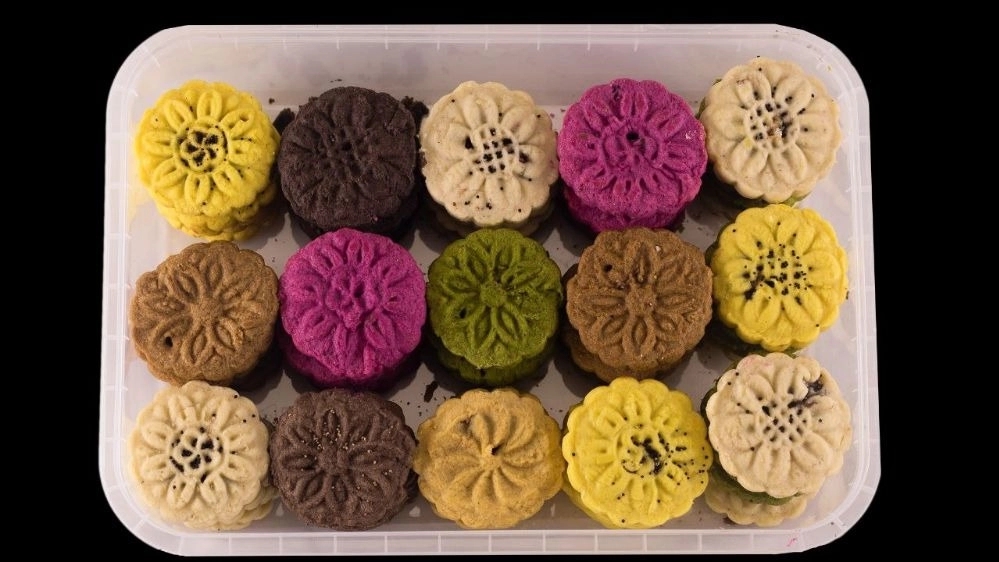
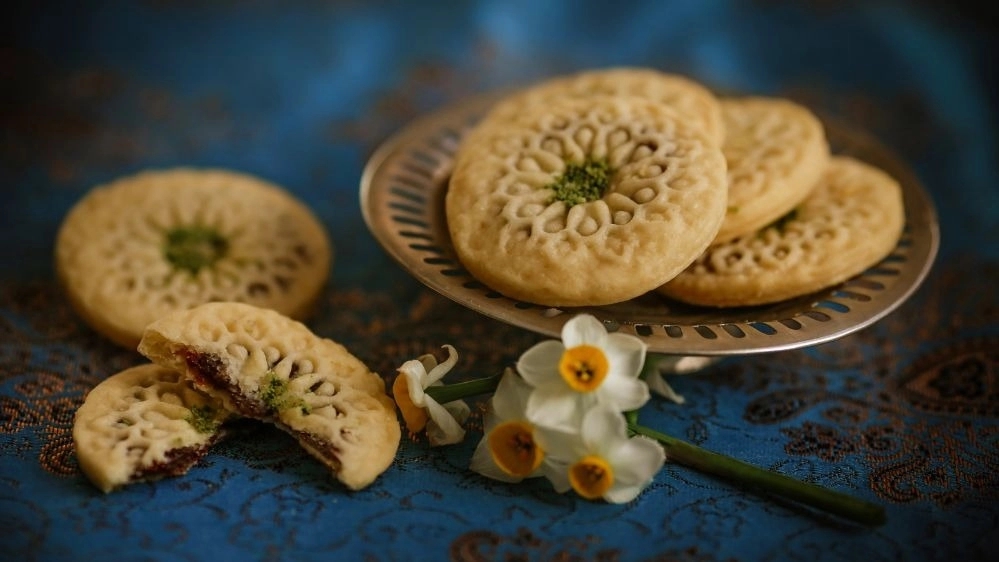
Traditional Iranian pastries are an integral part of our culture and history. Among these delicious diversity, Kerman's clay and kamaj have a special place. These original pastries, which are rooted in Kerman's long -standing traditions, are nowadays manufactured and supplied by delicious products with the same quality and taste.
Chapter One: Knowing the Kermani Clappo
1. History and Origins
Root in Kerman's pastry traditions
Dating
It was initially made as a pastry of celebrations and occasions
2. Main constituency
High quality wheat flour
Original animal oil
Grapefruit
Push and saffron for flavor
Almond or pistachio to decorate
1. Unique features
Simultaneous
Saga
Balancing
High shelf life than other pastries
Chapter Two: Kermani Kamaj, Traditional pastry masterpiece
1. Introduction
Kerman traditional pastry
Was consumed as sweet bread in the past
Served today as a parliamentary pastry
2. Main ingredients
The first grade white flour
Fresh local milk
Natural yogurt
Egg egg
Animal oil
Saffron and cardamom
1. Distinctive properties
Sponge and soft texture
A gentle and fragrant taste
Suitable for all ages
High nutritional value than similar sweets
Chapter Three: Production Process in Tasty Products
1. Selection of raw materials
Use the best local materials
The precise quality control of the input material
To apply the original animal oil
2. Traditional methods of production
Manual paste with the same old methods
Baking in traditional ovens
Accurate timing based on the masters' experience
1. Packing and supply
Hygienic packaging
Use of moisture -proof packages
Attractive design by maintaining product authenticity
Chapter Four: Nutritional value and benefits
1. Nutritional value of clamp
Energetic
Contains herbal protein
A good source of calcium and iron
2. Kerman Kamaj Properties
Easy digestion over other pastries
Suitable for growing children
Contains the nutrients of milk and yogurt
1. Comparison with industrial pastries
Non -use of preservatives
Natural and balanced pastry
Non -industrial oils
Chapter 5: Optimized maintenance and consumption
1. Maintenance methods
Maintenance in a dry, cool place
Utilization
Away from direct sunlight
2. Shelf life
Clamp: up to 6 weeks in the right condition
Kamaj: Up to 5 days at ambient temperature
1. Consumption offers
Along with Iranian tea
As tasty breakfast
At special parties and ceremonies
Conclusion: Why delicious products?
Delicious products, relying on years of experience in the production of traditional pastries, have been able to deliver Kermani and Kermani with the same taste and quality. These products are not only a great choice for those interested in traditional sweets, but they are also a valuable gift from the rich Iranian land culture.