Section 1: Overall review of solar systems and its components
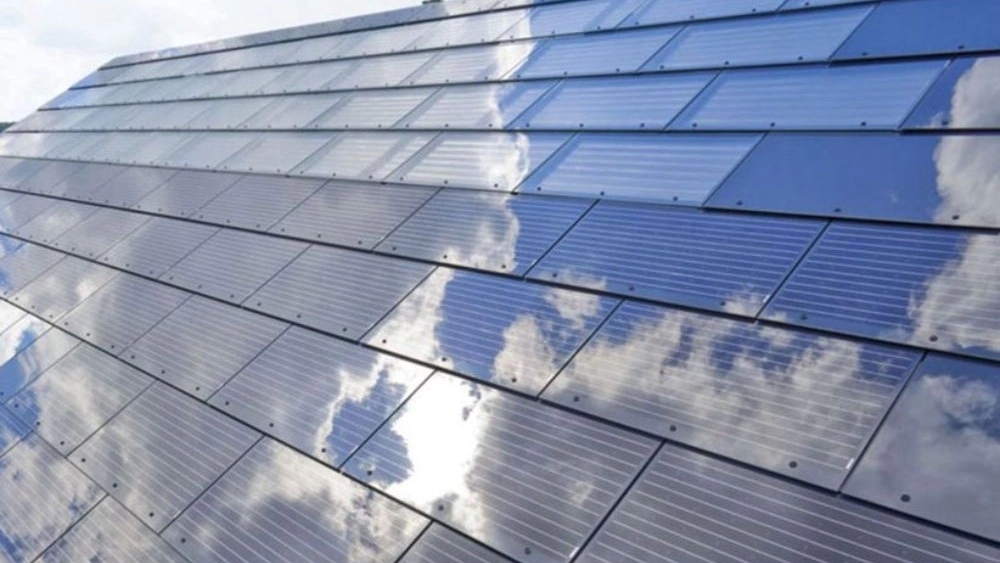
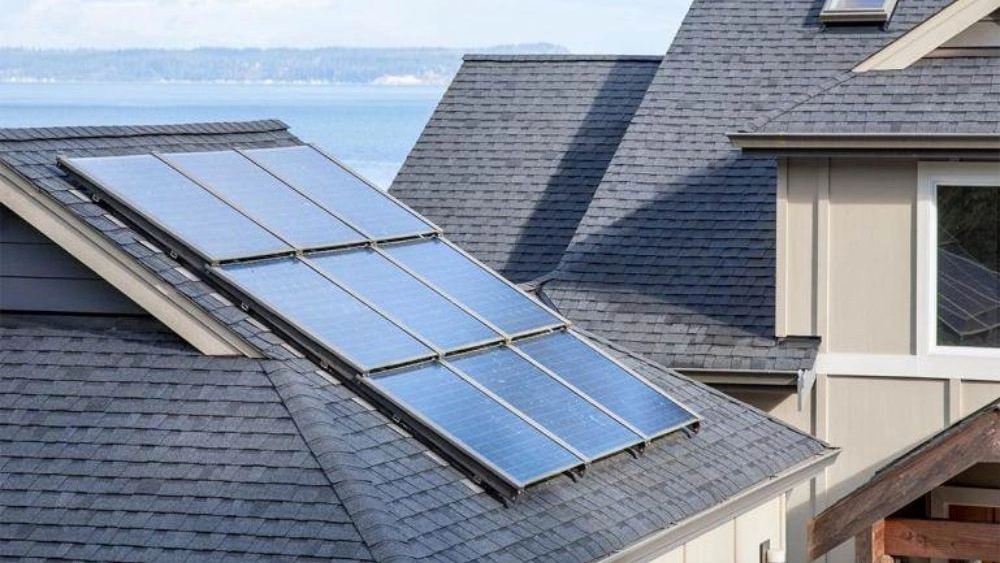
1.1 main components of solar systems: Solar systems consist of several main components, each playing an important role in generating and transmitting electricity. These components include solar panels, inverters, wiring, and boxes. Understanding the function and task of each of these components is essential for optimizing the system.
Solar Panels: The task of converting sunlight into electrical energy. Inverter: The task of converting direct current (DC) produced by panels to alternating current (AC) is used in homes and industries. Wiring: is the transmission of electric current between panels, inverters and other components of the system. Division Box: plays the role of system protection against overload and short circuit.
1.2 Types of Solar Systems: Home and industrial solar systems differ in size, capacity and complexity. Understanding the type of installed system is very important in maintaining and repairing it.
Section 2: Key Tips for maintaining solar systems
2.1 Regular Cleaning: Dust and environmental pollution have a negative effect on the efficiency of solar panels. Regular cleaning of panels with water and mild detergent can increase power generation efficiency by up to 15%.
2.2 Regular Wiring Review: The wiring should be examined regularly to ensure the health and lack of possible damage such as corrosion, short circuit or mechanical damage.
2.3 Regular Inverter Performance Control: Using an inverter display, power generation, consumption and other important information can be controlled. Also, regular inverter examination is essential in terms of over -temperature and other symptoms of failure.
2.4 Panel status check: The presence of cracks, scratches or fractures on the panels should be examined quickly. Paying attention to this can prevent further breakdowns.
Section 3: Solar system repairs and bug fixes
3.1 Diagnosis of Problems: Identifying solar system problems requires technical knowledge and appropriate tools. If there is a problem, it is best to contact experienced and experienced specialists in this area. 3.2 Preventive repairs: Preventive repairs can prevent serious problems. These repairs include system components, cleaning panels, and moving parts lubricants.
3.3 Basic Repair: In case of serious failures, major repairs will be made by experienced specialists. These repairs may include replacing defective parts or repairing damaged systems.
Section 4: The Benefits of Using Solar and Future Systems of the Industry
4.1 Reduce Energy Costs: Using solar energy can significantly reduce the energy costs consumed. 4.2 Environmental Support: The use of solar energy helps reduce greenhouse gases and environmental pollution. 4.3 Increased Economic Interest: Given the rise in fossil energy prices, solar systems are a long -term investment.
Conclusion:
proper maintenance and repair of solar systems is crucial for more productivity of clean and renewable energy. Based on the points presented in this article, the useful life of solar systems can be increased, improved power generation efficiency, and avoided possible problems. Contact the Easy Energy Specialist Team for more information and expert advice on solar systems.