Introduction
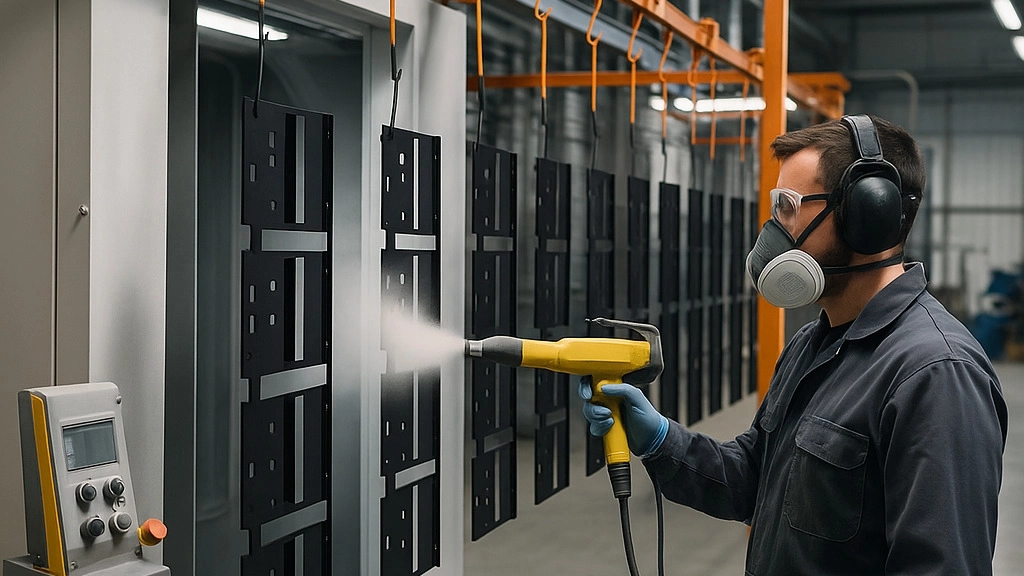
What is the color of the powder and what are the features?
The Benefits of Powder Color in Industrial Parts
What is the color of the liquid and what is the use of?
Liquid or more coating, has a long history in the industry and is performed as a solution. These colors are usually made on different bases (acrylic, epoxy, polyurethane, alkidi, etc.) and along with chemical or water solvents.
The Benefits of Liquid Color in the Industry
accurate execution: suitable for sensitive surfaces and parts that need to be repaired. High flexibility in repair: is easily stained and painted. No need for high temperatures: Some liquid colors dried in the furnace without the need for baking. Excellent cover for difficult access sections: spray, brush or rollers.
Difference of Powdered Powder and Liquid Color in Industrial Parts
To better understand the difference between powder color and liquid color in industrial components, attention is required:
1. Running Method
Powder color: electrostatic and baking spray in the furnace Liquid Color: spray, roll, or brush and dry natural or gently heat
2. Quality and durability
Powder color: higher physical and chemical durability; Longer shelf life Liquid Color: suitable for decorative parts or repair items; Lower durability than powder
3. Appearance of the appearance
powder: uniform coating, no wave or rejection of tools Liquid: a desirable beauty, but there is a possibility of rejection
4. Painting Cost
Powder: High initial investment cost but optimized consumption and waste reduction Liquid: less equipment fee; But higher consumption of materials and need to repeat operations in the long run
5. Recycling Ability
Powder: Recovery and reuse of non -sprayed powder Liquid: Recycling Limit; More lesions
6. Safety and Environment
Powder: lack of volatile organic matter; The least damage to operator and environmental health liquid: Production of harmful gases and air pollution