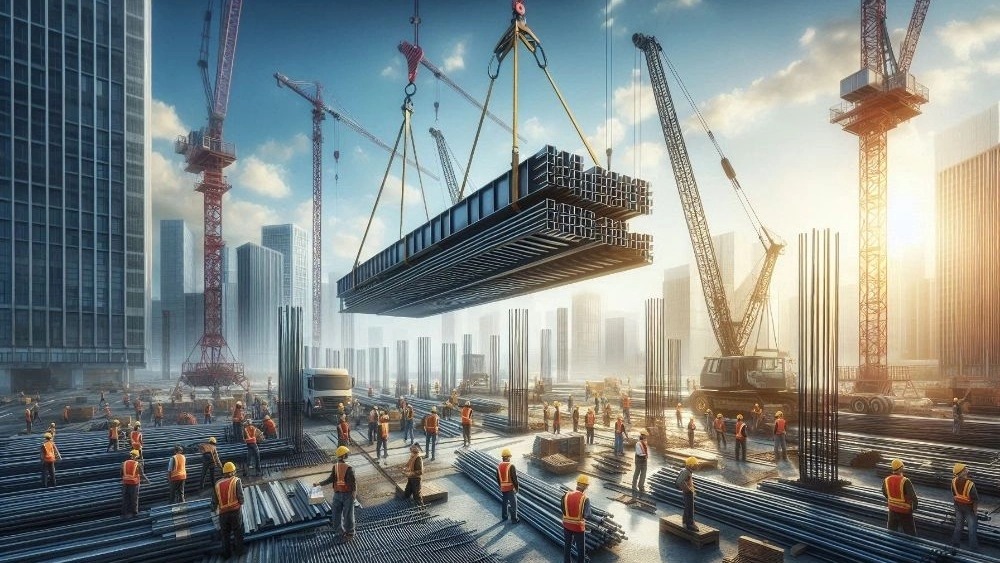

In the dynamic world of metal industry, the transfer and transfer of heavy raw materials, semi -made parts and end products are one of the vital challenges. The efficiency in this process not only increases the speed of production, but also guarantees the safety of the workplace and significantly reduces operational costs. In the meantime, the roof crane plays a role as a spine of material displacement operations in the metal industry. Choosing the right type of ceiling crane and collaborating with a reputable manufacturer can make a significant difference in the productivity and success of an industrial unit. Mammoth Alborz, as a specialist in the construction and installation of a variety of ceiling cranes and steel structures, offers new solutions for the steel industry in Zanjan and across the country.
The importance of a ceiling crane in the metal industry
Metal industries include a wide range of activities including casting, forging, rolling, cutting, welding and assembly. In all these steps, the high weight of materials (metal ingots, sheets, profiles, machinery parts) requires powerful and accurate displacement equipment. Ceiling crane with heavy loads in vertical and horizontal space, without occupying floor space, is an ideal solution for this purpose. The use of a suitable crane has many advantages:
Increase safety: Reducing the need for manpower to handle heavy loads minimizes the risks of work accidents. Increasing productivity: High speed of material displacement reduces production time and accelerates industrial processes. Optimization of the work space: The ceiling crane does not occupy the floor of the floor and allows for the free movement of machinery and personnel. Reducing costs: High life expectancy, easy maintenance and reduced need for forklifts and similar equipment help reduce operating costs. High accuracy: Careful load control capability allows the material to be placed at the exact point.
The main components of a ceiling crane
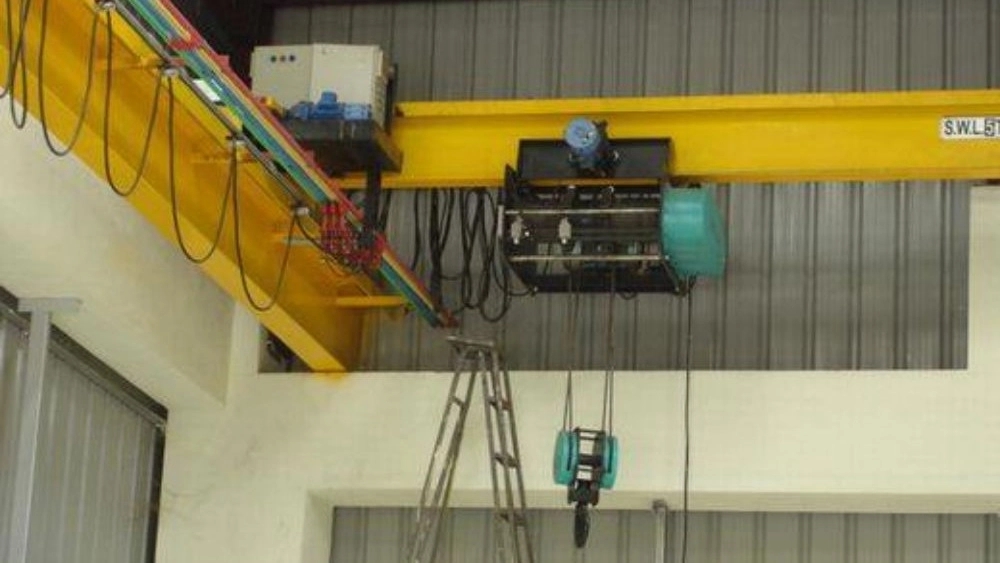
Before entering the types of ceiling cranes, it is necessary to identify their key components: 1. Bridge: The main horizontal beam that moves along the nest and the lift set is located on it. 2. Hoist: A unit responsible for lifting and lowering the load. Includes motors, gearboxes, towing wires or chains and hooks. 3. Trolley: The mechanism that moves the lift along the crane bridge. End trucks: Structures at the two ends of the bridge with wheels to move on longitudinal rails. 4. Runway: The longitudinal rails mounted along the walls of the niche and the heads. 5. Control System: Includes power panels, wireless remote control or operator cab to control crane movements. Alborz's mammoth in the manufacture of all of these components uses high quality materials and world -class standards to ensure the useful life and optimal performance of the ceiling crane.
Ceiling cranes and their applications
Ceiling cranes are divided into different types based on capacity, design and application. In the metal industry, the type and capacity of the ceiling crane must be carefully selected to meet the specific needs of the production processes:
1. Single Girder Overhead Crane Crane)
Structure: This type of ceiling crane has a main bridge from which Underslung is hanged or placed as a top running. Capacity: It is usually suitable for light to medium loads (usually up to 20 tons). Application in Metal Industries: Ideal for small and medium - Benefits: easier design, lighter weight, less initial cost, easier installation.
2. Double Girder Overhead Crane)
Structure: This ceiling crane has two parallel bridges that move the lift on a rail mounted on both bridges. Capacity: Suitable for heavy to heavy loads (from 5 tons to more than 100 tons) and wide openings. Application in Metal Industries: The most widely used ceiling crane in heavy metal industries such as steel, casting, rolling, forging, heavy machinery manufacturing, large sheet warehouses and bulk profiles. Ability to install two lifts for moving long and unbalanced loads. Benefits: High loading capacity, greater stability, access to taller altitude, ability to install accessories such as magnet and harp.
3. Crane pendant (Under Running/Underslung Overhead Crane)
Structure: The bridge of this ceiling crane hangs and moves from the roof structure instead of moving on longitudinal rails. Capacity: Usually for light to moderate loads (up to 10-15 tons). Application in the metal industry: Suitable for niches where the top of the head is limited, or there is a need for several parallel openings. It is used in light assembly and cutting assembly workshops. Benefits: No need for separate columns for railing, flexibility in installation.
4. Gantry Crane and Semi-Gantry Crane crane
Structure: This ceiling crane (or better to say ground) has bases that move on the ground or rails installed on the ground. The semi -feet moves on the ground and one side on the ceiling rail. Capacity: From light to very heavy loads. Application in metal industries: Used in open spaces of metal factories, raw materials storage, ports, shipbuilders and large metal structures. The half -volume type along the walls of the nest is used for local relocation. Benefits: No need for strong niches to handle the weight of the crane, the ability to move outdoors.
5. Explosive Crane (Explosion Proof Overhead Crane)
Structure: This type of ceiling crane is designed and manufactured using anti -spark and explosion -proof parts. Capacity: Variable based on need. Application in the metal industry: In environments where flammable gases, vapors, metal dust or explosives are possible (such as some specific casting processes, coating or specific points of the petrochemical industry that deal with metals). Benefits: Very high safety in dangerous environments.
6. Ceiling crane with special lifts
Some metal industries need special lifts: Crane with Maggent Lift: To move sheets, bars and iron lesions. Crane with Grab Lift (Grab): To move bulk materials such as metal waste or ore. Ladle Crane Crane: To move molten and steel industries. This type of ceiling crane requires very precise design and calculations to withstand high temperatures and critical loads. Alborz's mammoth with his technical knowledge and experience is capable of designing and manufacturing a variety of specialized lifts for ceiling crane in the metal industry.
Factors Affecting the Selection of Ceiling Crane Suitable for Metal Industries
Choosing the best ceiling crane for a metal industrial unit requires careful examination of several key factors:
1. Type and Weight of Load: The most important factor that determines the capacity of the ceiling crane. The maximum weight that is to be moved must be carefully specified. 2. Frequency and speed of displacement: Proper motors and systems must be used for high frequency operations and the need for high speed (such as continuous production lines). 3. Sets: The length, width and height of the niches (especially under the height of the ceiling) are effective in determining the type of ceiling crane and maximum lift height. 4. User type: What is the purpose of the niche? Casting, rolling, assembly, warehousing? Each user creates different needs for a ceiling crane.
5. Operational: ambient temperature, moisture, dust, chemicals or explosives are effective in selecting the type of engine, electrical components and ceiling crane body coating. 6. Budgeting: Although quality and safety are prioritized, available budget also plays a role in the final choice. However, investing in high quality ceiling crane will be more cost -effective in the long run. 7. Existing rail installation: Is the niches capable of being able to withstand the weight and dynamic loads of the crane? Otherwise, the need to reinforce the structure or redesign of the rails will
Mammoth Alborz by providing specialized advice and visiting the site helps you choose the best and most efficient ceiling crane for your special needs in Zanjan and elsewhere.
The role of Mammoth Alborz in supplying ceiling cranes for the metal industry
Mammoth Alborz, as a leading company in the design, construction and installation of steel structures and ceiling cranes, plays a vital role in the development and equipping of the country's steel industry. Relying on the technical knowledge of the day and the experienced staff, the collection offers comprehensive and integrated solutions to its customers:
Care Engineering Design: Mammoth Alborz Engineering Team Using advanced software, designing a variety of ceiling cranes in accordance with national and international standards (such as CMAA, ISO, ASME). These designs include precise structural calculations for bridge, head, lift and rails. High quality manufacturing: All mechanical and structural parts of the ceiling crane in Mammoth Alborz factories are manufactured using high quality raw materials under precise quality control. This includes cutting, welding and accurate assembly. Supply of valid electrical and mechanical components: Alborz Mammoth Using the best engine brands, gearboxes, brakes, powerboards and control systems (including inverter for precise speed control) to ensure the useful life and perfect performance of the crane.
Specialized and Safe Installation: Mammoth Alborz Mammoth Installation Team With full observance of safety protocols, the ceiling crane is installed and launched at the project site. This includes alignment of rails, bridge and lift assembly, and functional tests. After -sales service and support: Alborz Mammoth Swale is committed to providing after -sales service, including periodic inspections, maintenance and repair of ceiling crane to ensure its continuous and safe performance. Specialty in the construction of the nest: Since the installation of the ceiling crane is directly related to the nest structure, the Alborz mammoth experience in the manufacture of industrial niches is a major advantage. The company can design and execute niches that have been optimized from the beginning to tolerate the loads of the ceiling crane.
Conclusion
Ceiling crane is a strategic investment for any metal industry. Choosing the right and professional installation has a direct impact on productivity, safety and operating costs. Due to the technical complexity and high variety of ceiling cranes, cooperation with a reputable and experienced manufacturer such as Mammoth Alborz is essential. By providing comprehensive solutions from designing and manufacturing a variety of ceiling cranes to after -sales service and service, the company helps the metal industries in Abhar Zanjan and across the country to achieve maximum potential and perform material transport operations in the most efficient and safe way possible. The choice of mammoth Alborz is a choice for quality, safety and sustainable performance.