Bakhtiari handicrafts; A link of nature, culture and art
Bakhtiari handicrafts are not only decorative tools, but also part of the identity and cultural biological of the Bakhtiari people. Many of the products of these crafts such as carpets, carpets, sakes, jajim, decorative tasks, and local handwriting are a reflection of livestock life, ethnic beliefs and artistic taste of Bakhtiari nomads. Among these arts, the construction of traditional tassel pendants has not only been artistic but also used in interior architecture, fashion and clothing, and decorations.
Why Bakhtiari Crafts Training in Isfahan?
Introducing the Art of Bakhtiari Crafts
Metro -weaving is one of the Bakhtiari handmade arts that is based on the knot of the yarn in a variety of beautiful and beautiful forms. The technique, which was originally used in the decoration of local clothing and traditional curtains, is now widely used in interior design, handbags, wall pendants, subspecies, and even chandeliers.
Pendant traditional tongue; Gimmick
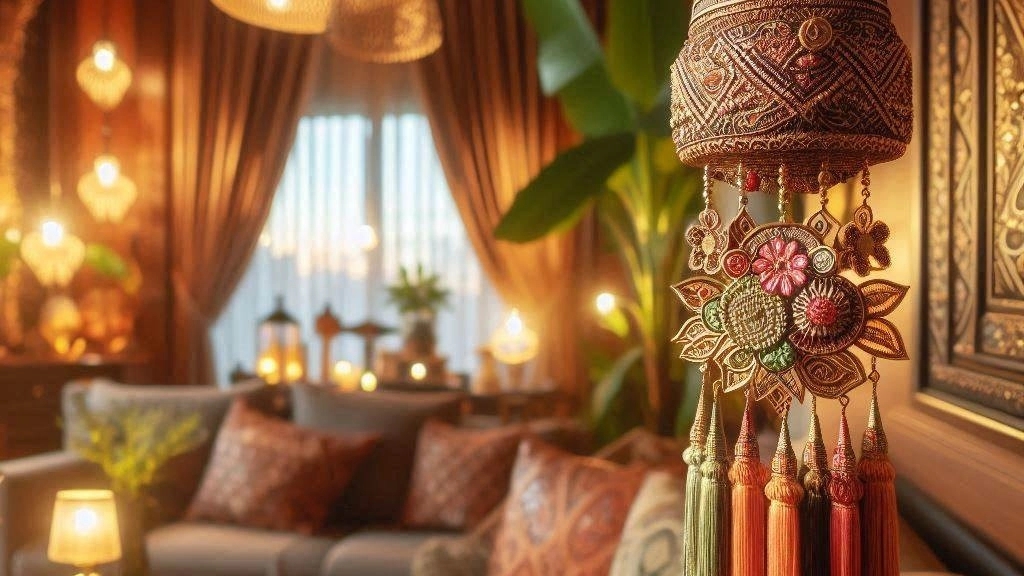
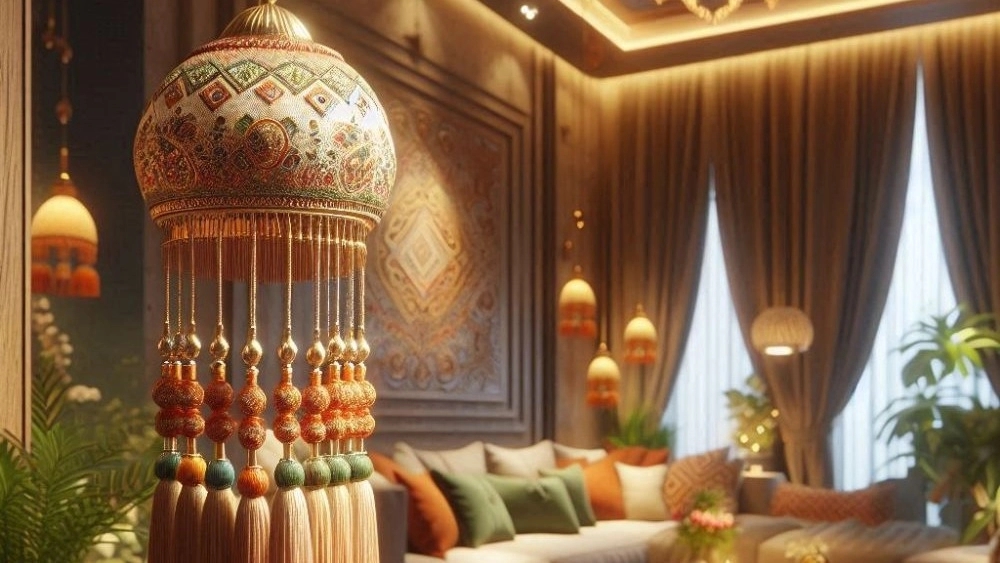
Tangle pendants are one of the most common decorative elements in Bakhtiari culture. These tassels, which are made up of colorful yarns, traditional beads and native patterns, are often used in decorating tents, clothing, skirts and even music tools. The training of these pendants, inspired by Bakhtiari traditions, is an important part of Bakhtiari handicraft training courses in Isfahan.
The tools and raw materials required in the workshops
Traditional Bakhtiari beads
One of the most fascinating parts of Bakhtiari handicraft training in Isfahan is the integration of traditional art with modern design. Students learn how to integrate Bakhtiari designs with the needs of the day and create products that are highly commercialized in domestic and foreign markets.
Jobs after Bakhtiari Crafts Training
Bakhtiari Handicrafts Professional Education in Isfahan is a safe way to enter the artistic and cultural work market. Graduates of these courses can work in the following jobs:
Support for housewives and local employment
One of the main goals of these workshops is to empower housewives and nomadic women. Teaching and making Bakhtiari pendants can be a source of sustainable income for women, with the least capital and facilities. Many women have been able to produce and sell traditional products by attending these classes.
Using Bakhtiari handicrafts in interior design
Nowadays interior designers are keen to use native crafts in decoration. Makromeh pendants, knotted curtains, traditional desktops, and wall pendants made with Bakhtiari art can warm the home space, intimate and special. This is another reason for the boom in Bakhtiari handicraft training in Isfahan.
Experience of training with Bakhtiari professors in Isfahan
Some of the best schools in Isfahan use professors who are from Bakhtiari. This allows students to become familiar with the stories, culture and meaning of the designs in addition to the technical learning. This training will be deeper, more enduring and more inspiring.
Conclusion
Bakhtiari handicrafts are not only a cultural and valuable heritage, but also an opportunity for employment, creativity, and communication with national identity. In Isfahan's artistic city, the professional training of traditional tassel and pendant has become one of the most popular arts. If you are looking for genuine artistic learning, income and pleasant art, Bakhtiari handicraft training courses in Isfahan are a great choice for you.