
Introduction: The Importance of Selling Drills in the Concrete Industry
In today's construction, the use of advanced and specialized tools for drilling and cutting concrete is of particular importance. Drilling, as one of the most essential tools for creating precision holes without destruction in concrete, plays a key role in construction and industrial projects. In this article, we intend to thoroughly review the "Selling of Drilling", introducing the features of a good drill, important tips on buying, advantages, categorization of drill, pricing, and introducing the best seller, the Shahbazi Concrete Cutting site.
What is a drill and what is the use of?
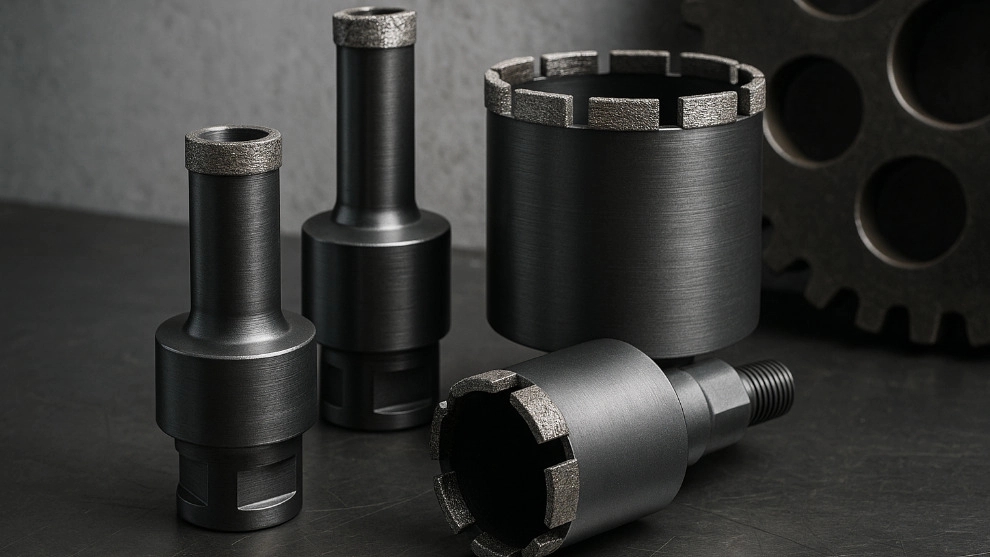
Drilling is a specialized tool for creating deep and deep holes in concrete, stone, asphalt and hard materials. These drills are generally used in concrete cutting and drilling projects, cable and pipe pulling, installation of installation and electricity equipment, and a variety of industrial and construction projects. The importance of selling drilling in the quality and accuracy of drilling, increasing the speed of work and reducing damage to the structure is evident.
Types of Drills available in the Market
To have a conscious and optimized purchase, it is necessary to get acquainted with a variety of drilling:
1. Ordinary drill
These types of drills are mostly suitable for conventional and semi -stroke concrete and are used in home and style projects.
2. Industrial derby
Suitable for large projects, deep and persistent drilling that require high quality and durability. Sale of industrial drilling is offered on reputable sites such as Shahbazi's concrete cutting with its originality and longevity.
1. Diamond drill
These types of drills have industrial diamond blades and are used for the most difficult concrete, reinforced concrete and hard stones.
The characteristics of a high -quality dehydration
When selling drilling, there are a few important features: Blade and Body: The drill must be made of solid materials such as alloy steel and industrial diamonds. accuracy and speed of drilling: a good drill creates a fast and non -lip -free drill. Heat and wear resistance: The body of the drill must be with high heat tolerance and persistent abrasion. appropriate size and diameter: size diversity (internal diameter and drill length) must be selected based on the project requirement.