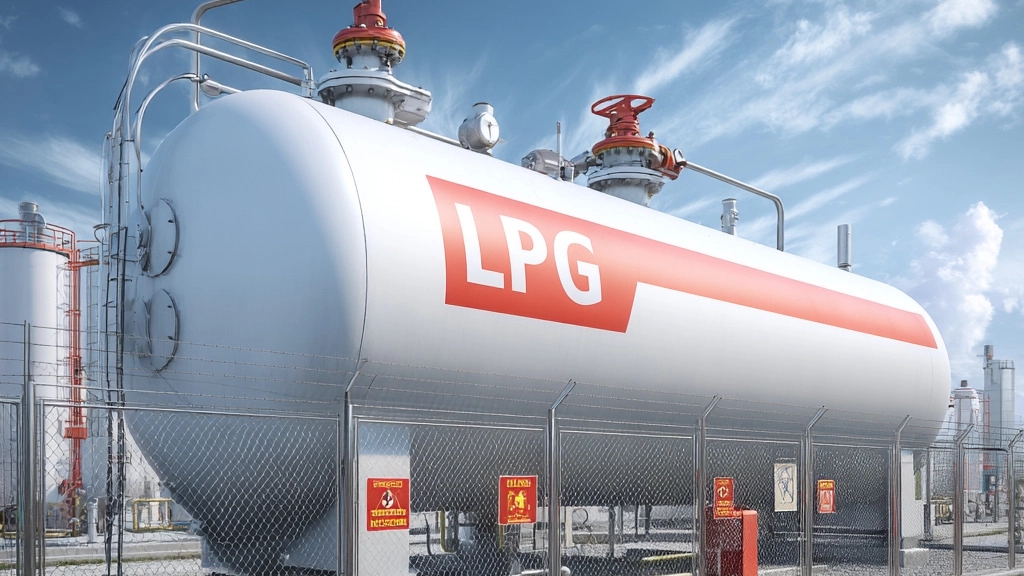
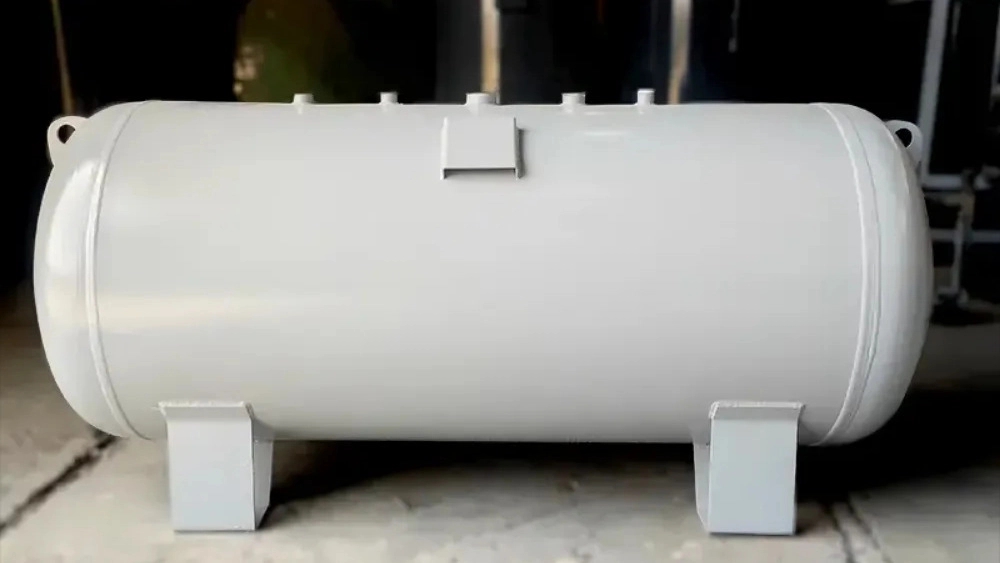
What is the hydrostatic test of the LPG gas tank and why is it vital?
why water and not air or gas?
Legal Requirements and Standards Related to Hydrostatic Testing
The exact steps of performing the hydrostatic testing of the LPG gas tank by Kimia Welding Asia
Successful and reliable implementation of a hydrostatic test of the LPG gas tank requires expertise, precision equipment, and hair -to -hair compliance with standard guidelines. Kimia Josh Asia, as one of the leading collections in this field, performs this process with high accuracy and obsession as follows:
Step 1: Visual Inspection Preparation and Inspection
Before any action, the tank must be completely discharged from liquid gas (Purge) so that no steep steam will remain. The Asian Kimia Welding experts then provide a detailed eye inspection of the overall status of the tank, bases, paints, and especially welding lines to identify any severe corrosion, surface cracking or obvious physical damage.
Step 2: Isolate and Installation of Equipment
All outputs and inputs of the tank are blocked with blind flanges, except for the routes required for the test. The test equipment, including a high -pressure pump, water source, high -pressure hoses, and most importantly, are calibrated and accurately mounted on the tank. Installing a Safety Valve (Safety Valve) on test pressure is also essential for greater safety.
Step 3: Fill the tank with water and ventilation
The tank gently filled with clean water. When filling, the air inside it should be completely removed through a valve at the highest point of the tank. The air in the system can incorrect test results and pose risks. This step is one of the most important technical details in the execution of the LPG gas tank hydrostatic testing.
Step 4: Apply Controlled Pressure
After ensuring complete filling and absence of air, the high pressure pump is illuminated and the pressure inside the tank is fully controlled and gradually increased. The test pressure is usually 1.51.5 times the permissible operating pressure of the tank (ptest = 1.5 × pworkPtest = 1.5 × PWORK). For example, a tank with a pressure pressure of 17.617.6 times, up to 26.426.4 times. The Asian Kimia Welcome team monitors this process moment by moment.
Step 5: Holding Period (Holding Period)
Step 6: Careful inspection during and after test
Step 7: Discharging, Drying and Certificate of Certificate
If the test is successful, the pressure is slowly drained and the water inside the tank is completely empty. Then the tank is dried as much as possible to prevent rust. Finally, Kimia Josh Asia Company issued an official and valid certificate of hydrostatic testing of the LPG gas tank, which includes tank specifications, test pressure, date and test result, and installs the inspection plaque on the tank.
Summary: Investing in Safety
Hydrostatic testing of the LPG gas tank is not an additional fee; Rather, it is an essential and clever investment on your safety, relaxation and protection of your assets. Ignoring this vital test is like driving with a car whose brakes have never been inspected; There may be no problem for a while, but the risk of a catastrophe is extremely high. By entrusting this critical task to experts such as Kimia Josh Asia, you not only meet legal requirements, but also make sure that the heart of your energy system is in good health. To take the first step towards securing your tank and receiving specialized advice, visiting the Asian Kimia Welding page is the best starting point. Never delay safety.